

Sustainability · 2025
In this section53 topics
- Sustainability Policy2 items
- Sustainability Goals & UN SDGs3 items
- Policy Review3 items
- Business Value Chain1 item
- Stakeholder Analysis1 item
- Environmental Policy & Guidelines3 items
- Environmental Policy Review3 items
- Energy — Plan & Guidelines2 items
- Energy — Electricity Consumption1 item
- Energy — Fuel Consumption1 item
- Energy — Targets2 items
- Energy — Performance & Outcomes2 items
- Water — Plan & Guidelines2 items
- Water — Withdrawal, Discharge & Consumption1 item
- Water — Targets2 items
- Water — Performance & Outcomes2 items
- Waste — Plan & Guidelines2 items
- Waste — Generation, Disposal & Recycling1 item
- Waste — Targets2 items
- Waste — Performance & Outcomes2 items
- GHG — Plan & Guidelines2 items
- GHG — Emissions1 item
- GHG — Emissions Verification3 items
- GHG — Principles & Standards1 item
- GHG — Targets1 item
- GHG Targets — Net Zero1 item
- GHG Targets — Carbon Neutrality1 item
- GHG Targets — Other Targets1 item
- GHG — Performance & Outcomes2 items
- Environmental Legal Incidents1 item
- Other Environmental Management1 item
- Social Policy & Guidelines3 items
- Social Policy Review3 items
- Social — Principles & Standards Practised1 item
- Human Rights Due Diligence2 items
- Employees — Plan & Guidelines3 items
- Employees — Workforce1 item
- Employees — Remuneration & Provident Fund1 item
- Employees — Training & Development1 item
- Employees — Occupational Health & Safety1 item
- Employees — Labour Relations1 item
- Employees — Employee Representation2 items
- Employees — Targets2 items
- Employees — Performance & Outcomes2 items
- Customers — Plan & Guidelines3 items
- Customers — Satisfaction Results1 item
- Customers — Targets2 items
- Customers — Performance & Outcomes2 items
- Community & Social — Plan & Guidelines4 items
- Community & Social — Targets2 items
- Community & Social — Performance & Outcomes2 items
- Other Social Management1 item
- Law Violation Incidents1 item
Sustainability Policy
Has a Sustainability Policy
Yes
Policy Description
Sustainable Achievement Snapshot
Healing The Planet (E) Responsible for both the planet and health.
Recycled more than 1,007cubic meters of treated wastewater annually for landscape irrigation.
Installed a Solar Rooftop system, resulting in a 367percent increase in electricity cost savings, directly reducing operating expenses.
Reduced greenhouse gas (GHG) emissions intensity by 9.7percent relative to total revenue, advancing toward the Net Zero Carbon target.
Recycled 4,479 kilograms of used hemodialysis solution gallons into plastic bags, creating added value through the circular economy and reducing procurement costs for new plastic bags used within the Hospital
Future-Ready Care (S) Advancing Quality of Care and Workforce Development
Successfully renewed accreditation from Joint Commission International (JCI) for the fifth consecutive term, achieving a score of 99.23 percent following the survey conducted on 10–13 November 2026.
Average training hours totaled 85 hours per employee per year.
Implemented two Creating Shared Value (CSV) initiatives, achieving a Social Return on Investment (SROI) of more than 1.0 times.
100 percent of directors, executives, and employees completed training on the Personal Data Protection Act B.E. 2562 (PDPA) and cybersecurity awareness.
Zero incidents of personal data leakage, with successful detection and prevention of cyberattacks.
Governing With Strategic Vision (G) - Leading with Credibility and Future-Focused Vision
Achieved an AAA ESG Rating 2025for the third consecutive year.
Recognized at the SET Awards 2025 for the third consecutive year in the categories of Sustainability Excellence (Commended Sustainability Awards) and Outstanding Investor Relations Awards.
Received the Sustainability Disclosure Award 2025, reinforcing the Company’s commitment to sustainable business practices.
Received the “Excellence in Medical Management” award from the Bangkok Life Hospital Awards 2025.
Collaborated with Plan B Media Public Company Limited (Plan B Media) to launch “The Eye-Diagnostic Billboard,” an innovative billboard enabling preliminary self-screening for vitreous degeneration at five locations.
Directors, executives, and employees received training and acknowledged the Company’s anti-corruption policy through internal communication channels.
The Company is committed to conducting its business on the foundation of sustainable development by integrating economic, social, and environmental (ESG) dimensions into its operations to create long-term value for all stakeholders. This report is prepared in compliance with the requirements of the Stock Exchange of Thailand (SET) and the guidelines for the preparation of the Form 56-1 One Report, with emphasis on the analysis of key sustainability issues under the Double Materiality approach.
Sustainability Management Policy
The Company conducts its business with a commitment to balanced growth for all stakeholders across the economic, social, and environmental dimensions. The highest priority is placed on ethical, transparent, and fair business practices. The Company adheres to the United Nations Guiding Principles on Business and Human Rights (UNGPs) and supports the Ten Principles of the United Nations Global Compact (UNGC), covering human rights, labor, environment, and anti-corruption. The Company also aligns its operations with the United Nations Sustainable Development Goals (SDGs). The Company’s Sustainability Development Policy is structured around three strategic pillars:
Advancing Healthcare Innovation: Committed to developing and applying medical innovations and technologies to enhance the quality, safety, accessibility, and responsiveness of healthcare services for patients at all levels.
Fostering Sustainable Well-Being: Promoting quality of life for employees, communities, and society through workforce development, a safe working environment, community engagement, and social initiatives that create shared value (Creating Shared Value: CSV).
Creating an Environmental Balance: Conducting business with consideration for environmental impacts, aiming to become an organization with Net Zero Emissions through efficient management of energy, water, and waste, and promoting a Circular Economy. This policy covers operations throughout the business value chain, from environmentally and socially friendly procurement processes, caring for personnel and service recipients, to responsibly managing impacts on communities and the environment. The company mandates regular communication and training on sustainability policies for employees at all levels to raise awareness and drive policies into practice, as well as disseminating this policy to the public through various company channels, especially the company's website, to ensure all stakeholders can access and study the details transparently.
3.1.2 Sustainable Development Governance Structure
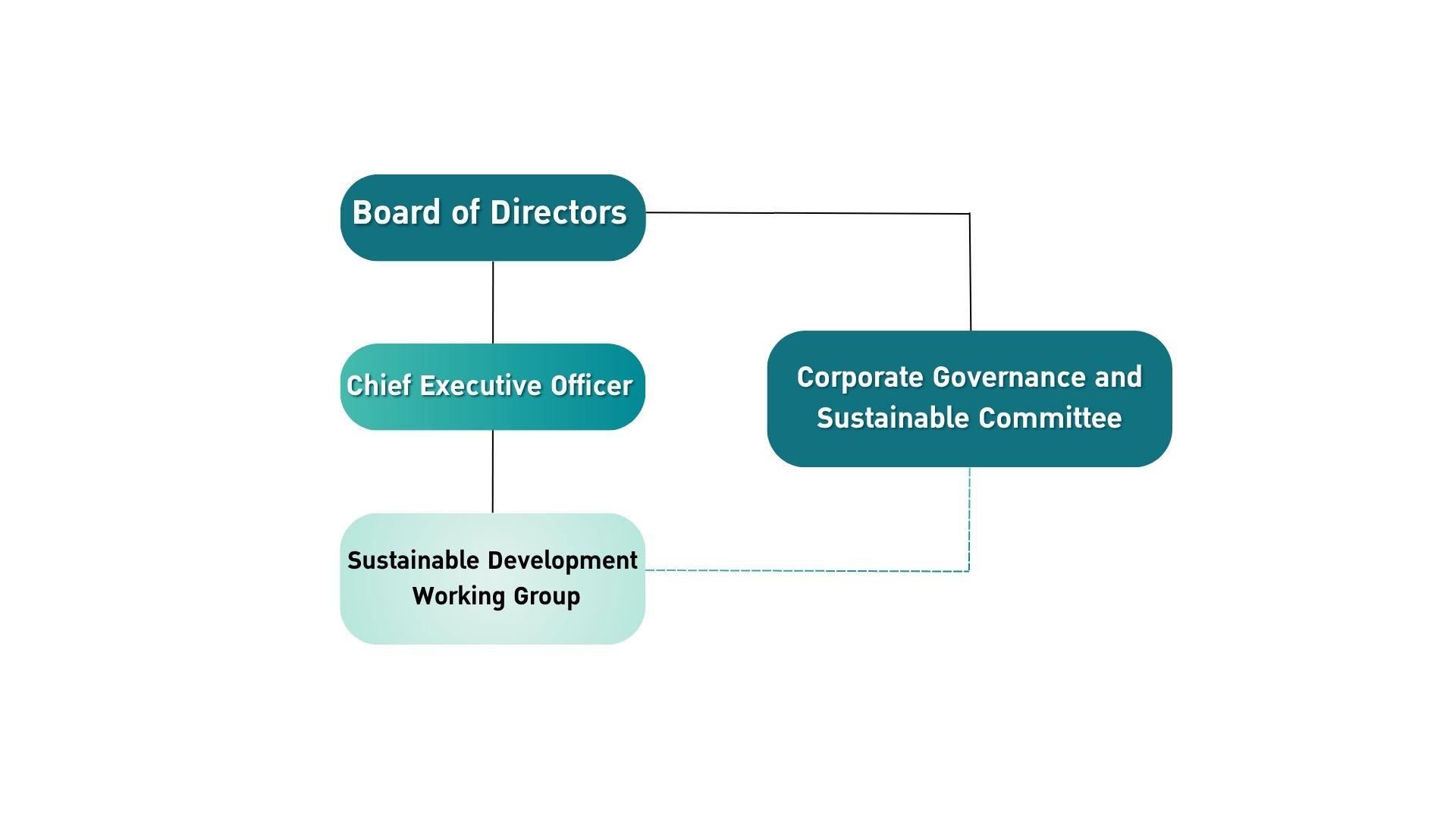
Roles, Duties, and Responsibilities
Board of Directors
Approve policies, targets, strategies, and business plans, including those related to sustainability, climate change, climate management, and environmental management.
verse business operations to ensure adherence to good corporate governance principles, business ethics, respect for human rights, and accountability to all stakeholder groups, while supervising the management of climate-related risks and opportunities, including adaptation to potential impacts.
Monitor and evaluate progress on sustainable business development through regular performance reports.
Corporate Governance and Sustainable Business Development Committee
Review and provide recommendations on corporate governance policies and practices, organizational ethics, and other relevant policies that support adherence to good corporate governance principles, applicable standards, and regulatory requirements. This includes oversight of corporate social responsibility and sustainable development matters, such as sustainability management policies, environmental management, and governance of climate-related risks and opportunities, to ensure alignment with relevant regulations, standards, and international best practices prior to submission to the Board of Directors for approval.
Appoint sustainability working groups and undertake other actions necessary to support the Company’s sustainability initiatives, including defining the authority, duties, and responsibilities of such working groups.
Oversee and monitor management and/or designated working groups to ensure effective implementation of policies and achievement of established targets, including those related to environment, energy, greenhouse gas emissions, and climate-related risks.
Chief Executive Officer
Oversee and monitor the performance of the Sustainable Development Working Group, including the integration of ESG-related risks and opportunities, as well as climate change considerations, into the Enterprise Risk Management (ERM) framework on a quarterly basis.
Consider and allocate appropriate budgets and resources to support sustainability initiatives, including energy efficiency improvement projects and climate impact mitigation projects.
Communicate sustainability policies and targets to employees and stakeholders.
Sustainable Development Working Group
Manage and support the Company’s sustainability initiatives in accordance with the policies and targets assigned by the Corporate Governance and Sustainable Committee.
Develop sustainability and climate change action plans, including the preparation of a GHG Inventory (Scope 1–3), greenhouse gas reduction initiatives, energy management, waste management, and environmental impact mitigation projects, for submission to the Corporate Governance and Sustainable Committee and subsequently to the Board of Directors for approval.
Collect data and monitor key performance indicators, such as energy consumption, waste generation, water usage, and greenhouse gas emissions, and report progress to management and the Corporate Governance and Sustainable Committee.
Promote awareness, provide guidance, and encourage employee participation in sustainability initiatives to foster a sustainability-oriented corporate culture.
Review relevant practices to ensure alignment with applicable standards.
3.1.3 Creating Sustainable Value for Stakeholders
The Company recognizes that its long-term success is closely interconnected with its stakeholders, including employees, patients, business partners, investors, communities, and the environment. The Corporate Governance and Sustainable Committee has reviewed information and feedback received from stakeholder groups regarding the Company’s vision, mission, and strategic direction, covering both internal and external business contexts, particularly on risks and opportunities that may impact operations. In addition, feedback from readers who provided comments on the sustainability section of the Form 56-1 One Report and through the Company’s website has been considered as part of the continuous improvement process.
Stakeholder expectations, concerns, and recommendations are incorporated into the refinement of engagement approaches and the identification of material sustainability topics. The Company ensures appropriate responses to stakeholder expectations on each material issue to strengthen and advance the sustainable growth of its healthcare service business.
Sustainability Goals & UN SDGs
Has Sustainability Goals
Yes
Goals Description
3.1.4 Sustainability Management Targets
The Company’s Sustainable Development Committee has established both short-term and long-term sustainability management targets at the corporate level. These targets address material sustainability issues across the economic, social, environmental, and human rights dimensions and are integrated with the United Nations Sustainable Development Goals (SDGs).
In 2025, the Sustainable Development Committee approved a review and update of the sustainability policy to ensure its relevance and alignment with the Company’s operational direction.
Governance and Economic Dimension | Social Dimension | Environmental Dimension |
Corporate Governance and Good Business Ethics | Contributing to Community and Social Well-Being | Climate Change Management |
|
| Short-term:
Medium-term:
|
Responsibility to Service Recipients | Energy Conservation | |
| Short-term:
Medium-term:
| |
Innovation Development | Human Rights and Labor Laws | Water Management |
|
| Short-term:
Medium-term:
|
Supply Chain Management | Personnel Development and Retention | Waste Management |
|
| Short-term:
Medium-term:
|




UN Sustainable Development Goals
| SDG Goal |
|---|
| Goal 3 Good Health and Well-being |
| Goal 3 Good Health and Well-being |
| Goal 6 Clean Water and Sanitation |
| Goal 6 Clean Water and Sanitation |
| Goal 7 Affordable and Clean Energy |
| Goal 7 Affordable and Clean Energy |
| Goal 8 Decent Work and Economic Growth |
| Goal 8 Decent Work and Economic Growth |
| Goal 9 Industry, Innovation and Infrastructure |
| Goal 9 Industry, Innovation and Infrastructure |
| Goal 12 Responsible Consumption and Production |
| Goal 12 Responsible Consumption and Production |
| Goal 13 Climate Action |
| Goal 13 Climate Action |
| Goal 16 Peace, Justice and Strong Institutions |
| Goal 16 Peace, Justice and Strong Institutions |
Policy Review
Policy Reviewed This Year
No
Policy Changed This Year
No
Review Details
-
Business Value Chain
Value Chain Description
The Company places significant importance on managing its business value chain as a strategic tool to enhance competitiveness and mitigate sustainability-related operational risks. The Corporate Governance and Sustainable Committee conducts an analysis of the Company’s core business activities from upstream to downstream operations, alongside the identification of key stakeholders who are materially connected to or have business relationships with such activities. The relationships between activities and stakeholders are then analyzed and reviewed to assess both positive and negative impacts arising from the Company’s operations. The results of the value chain analysis are used to establish engagement and management approaches for six key stakeholder groups involved throughout the business value chain, from upstream to downstream. This framework encompasses six primary business activities and four supporting activities.
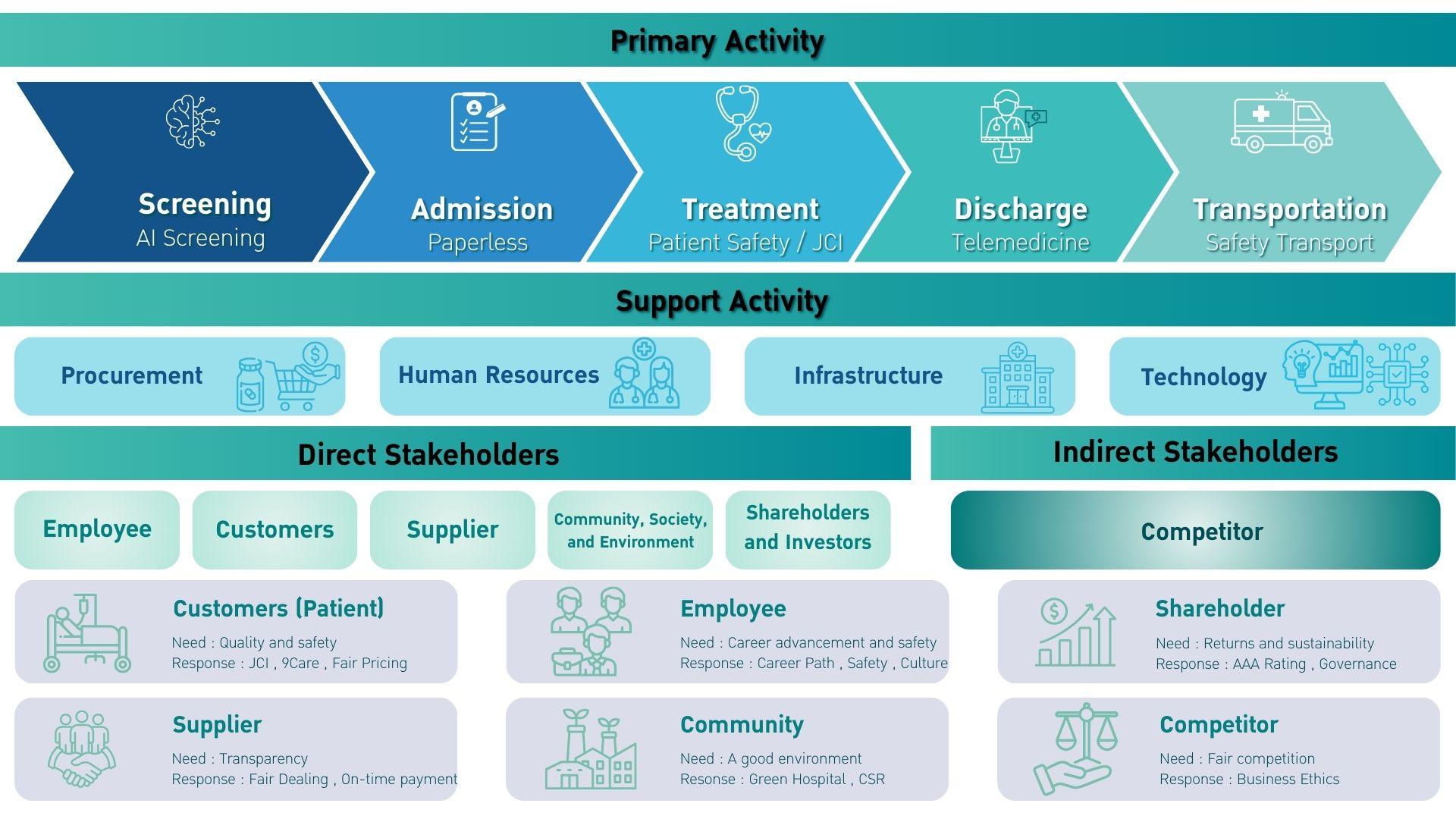
Primary Activity
Screening : Conduct standardized pre-service screening and prioritize patients based on clinical assessment to ensure the most effective and timely treatment.
Service Admission : Establish standardized service management procedures throughout the patient admission process.
Continuous Care : Provide ongoing care, treatment, and services delivered by qualified and certified physicians, nurses, and other healthcare professionals across all hospital service processes.
Discharge and Follow-Up : Ensure appropriate diagnosis based on patient health conditions, determine optimal treatment plans, and coordinate with medical personnel or external institutions for continued care where necessary.
Referral Services : Arrange systematic and standardized referrals to qualified external institutions in accordance with patients’ treatment requirements.
Patient Transportation : Provide safe and high-quality patient transportation services in compliance with applicable legal and regulatory standards.
Support Activity
Procurement : Ensure the procurement of medicines, medical supplies, medical equipment, and other necessary items in a manner that is quality-driven, fair, transparent, and verifiable to meet established standards.
Human Resources : Recruit, develop, retain, and support medical professionals and employees to enhance knowledge, specialized expertise, and professional standards.
Infrastructure : Design service infrastructure with consideration for accessibility and convenience for patients and service users.
Technology : Develop and apply technology to enhance service accuracy, efficiency, convenience, and safety for patients and service users.
The Company has identified key internal and external stakeholder groups that are connected to its business value chain. An assessment has been conducted to evaluate both positive and negative impacts, including actual and potential impacts arising from the Company’s activities on stakeholders.
Key issues were gathered through both formal and informal engagement channels, including feedback, consultations, and stakeholder recommendations. These inputs were subsequently analyzed to develop appropriate action plans aimed at responding to stakeholder expectations across all groups.
The outcomes of this process are reflected in the Company’s corporate strategy and business operation plans, covering economic, social, human rights, and environmental dimensions. The operational results for 2025 (B.E. 2568) are summarized as follows:
Stakeholder Analysis
Stakeholder Analysis
| Stakeholder Type | Stakeholders | Stakeholder Expectations | Response to Expectations | Communication Activities |
|---|---|---|---|---|
| Internal stakeholders | 2921 · Description: Employees | • Conduct performance evaluations in a fair and transparent manner.
• Manage compensation appropriately in alignment with performance outcomes.
• Adjust salaries and provide bonuses in accordance with established criteria.
• Promote job security and career advancement opportunities.
• Continuously develop employees’ skills and competencies.
• Encourage effective communication and operational efficiency.
• Systematically manage workplace health and safety.
• Retain high-potential employees within the organization.
• Continuously enhance employee capabilities.
• Apply human rights principles in human resource management.
• Comply with labor laws and relevant regulations.
• Provide a suitable working environment that supports effective performance.
| • Review and enhance the annual performance appraisal process through the Performance Management System (PMS).
• Conduct performance evaluations while promoting two-way communication.
• Develop Individual Development Plans (IDPs) and support training in alignment with the plans, with systematic assessment of skills and competencies.
• Establish clear career paths for both managerial and operational levels.
• Improve the working environment in accordance with occupational health and safety principles.
• Organize internal engagement activities to strengthen workplace relationships.
• Provide employee counseling through the Human Resources Department.
• Raise awareness of the impacts of climate change.
• Hold regular departmental meetings.
• Provide channels for reporting incidents and unsafe working conditions.
| 2941 · Description: Online Communication · 2942 · Description: Internal Meeting · 2945 · Description: Complaint Reception · 2946 · Description: Employee Engagement Survey · 2948 · Description: Training / Seminar · 2949 · Other name: Presentation on Continuous Quality Improvement Project (CQI) · Description: Others · 2949 · Other name: Established internal whistleblowing and grievance mechanisms · Description: Others · 2949 · Other name: Annual performance evaluations in accordance with established criteria · Description: Others · 2949 · Other name: Ongoing organizational culture and safety surveys · Description: Others |
| External stakeholders | 2913 · Description: Shareholders | • Conduct business in accordance with the principles of Corporate Governance and Business Ethics, ensuring transparency and accountability.
• Strictly implement anti-corruption measures.
• Deliver consistent returns on investment.
• Operate to achieve stable growth and generate appropriate profitability.
• Manage risks effectively to address changes and support sustainable growth.
• Disclose material corporate information in a complete and timely manner.
| • Systematically and prudently manage economic, social, and environmental risks.
• Enhance the effectiveness of internal control and risk management systems.
• Strengthen business capabilities to support continuous growth and generate long-term investment returns.
• Conduct business in accordance with good corporate governance principles, ensuring transparency and fairness.
• Disclose and present performance results, as well as business directions and plans, accurately, completely, and in a verifiable manner.
• Regularly update the Investor Relations website to ensure comprehensive information and provide channels for feedback and suggestions.
| 2938 · Description: Visit · 2941 · Description: Online Communication · 2944 · Description: Annual General Meeting (AGM) · 2949 · Other name: Provide shareholders with the opportunity to nominate directors, propose meeting agenda items, submit questions in advance, and express opinions and recommendations. · Description: Others · 2949 · Other name: Conduct investor relations activities on a continuous basis. · Description: Others |
| External stakeholders | 2923 · Description: Customers | • Develop services to meet established standards and align with patients’ expectations.
• Continuously enhance medical expertise and professional competencies.
• Encourage family involvement in treatment planning.
• Clearly communicate treatment information and post-discharge care instructions.
• Facilitate convenient access to healthcare services.
• Uphold accountability and responsibility toward patients.
• Provide accurate and timely medical information.
• Establish appropriate and reasonable medical service fees.
• Foster innovation and collaboration by leveraging digital technologies to enhance service quality.
| • Enhance care processes to ensure efficiency by promoting customer and family participation and maintaining continuous communication throughout treatment.
• Provide medical services in accordance with international quality standards and applicable laws and regulations.
• Establish and evaluate medical service fees on a reasonable and appropriate basis.
• Review and improve medical service packages to ensure suitability and fairness.
• Expand access channels through social media platforms.
• Develop the 9 CARE platform to provide continuous home-based care for customers with chronic, rare, and complex conditions, while enabling health information connectivity with customers’ families.
| 2940 · Description: Social Event · 2941 · Description: Online Communication · 2945 · Description: Complaint Reception · 2947 · Description: Satisfaction Survey · 2948 · Description: Training / Seminar |
| External stakeholders | 2902 · Description: Community | • Contributing to Community and Social Well-Being.
• Implement Climate Change Management practices to mitigate climate-related impacts.
• Utilize resources efficiently and responsibly.
• Support the use of clean energy and promote Energy Saving Management.
• Reduce greenhouse gas emissions.
• Implement appropriate Water Saving Management and Waste Management practices.
| • Organize activities to mitigate the impacts of climate change under Climate Change Management initiatives.
• Conduct campaigns to reduce greenhouse gas emissions.
• Implement social initiatives under the “Happy Community” project.
• Develop and disseminate up-to-date health education content through social media platforms.
• Enhance service efficiency and align services with the needs of people of all age groups to improve quality of life.
• Promote efficient and responsible resource utilization.
| 2941 · Description: Online Communication · 2943 · Description: External Meeting · 2945 · Description: Complaint Reception · 2949 · Other name: Conduct regular surveys and assessments of community needs. · Description: Others |
| External stakeholders | 2899 · Description: Suppliers | • Conduct procurement processes in a transparent, fair, and equitable manner.
• Manage procurement processes efficiently and in a timely manner.
• Provide fair compensation and ensure timely payment.
• Comply with commercial terms and contractual conditions, including payment obligations as agreed.
• Uphold respect for human rights and labor practices and demonstrate responsibility toward society and the environment.
• Promote the development of suppliers’ capabilities and competencies.
| • Conduct meetings and execute contracts with suppliers in accordance with the procurement policy on an equitable and fair basis.
• Implement systematic Supply Chain Management practices.
• Conduct comprehensive Human Rights Due Diligence (HRDD) covering suppliers and relevant workers.
• Provide training to supplier personnel working within the hospital in accordance with the same standards applied to permanent employees.
| 2938 · Description: Visit · 2941 · Description: Online Communication · 2943 · Description: External Meeting · 2945 · Description: Complaint Reception · 2948 · Description: Training / Seminar · 2949 · Other name: Select and evaluate supplier performance at least once per year. · Description: Others · 2949 · Other name: Identify and categorize key suppliers based on the nature of their business relationships. · Description: Others |
| External stakeholders | 2898 · Description: Competitors | • Conduct business in accordance with fair and transparent competition principles.
• Maintain a policy prohibiting improper solicitation or recruitment of personnel from competitors.
| • Strictly comply with the Company’s Code of Conduct and commercial agreements.
• Adhere to Corporate Governance and Business Ethics principles.
• Participate in meetings and cooperate with the Private Hospital Association in accordance with meeting resolutions.
| 2943 · Description: External Meeting |
Environmental Policy & Guidelines
Has an Environmental Policy
Yes
Policy Description
“Healing People, Healing the Planet: Our Roadmap to Net Zero”
The Company recognizes that climate change is a systemic risk that may significantly affect business continuity, financial stability, and the long-term ability to deliver high-quality medical services.
Climate Risk
The Company categorizes climate-related risks into two key dimensions in order to develop appropriate response strategies:
Physical Risks: These refer to natural disasters that are increasing in both frequency and severity, such as flooding and heatwaves, which may directly affect hospital buildings, engineering systems, and the safety of patients and personnel. This also includes changes in disease epidemiology associated with climate conditions, which may affect the hospital’s capacity to accommodate patients.
Transition Risks: These refer to impacts arising from policy and regulatory changes aimed at transitioning toward a low-carbon society, such as carbon taxation measures, greenhouse gas emission controls for large buildings, and the expectations of stakeholders for environmentally responsible business practices.
Climate-Related Opportunities and Adaptation
Amid these challenges, the Company recognizes opportunities to elevate healthcare standards through the development of a “Smart and Green Hospital”, aiming to become a healthcare institution that promotes both quality of life and environmental sustainability.
Healthcare Innovation: Integrating holistic wellness services that address both physical and mental health with hospital design that supports a healing environment, including the use of environmentally friendly materials and the reduction of pollutant emissions.
Resource Efficiency: Enhancing building energy management systems to maximize efficiency, while managing medical waste and wastewater using modern technologies in order to reduce the organization’s carbon footprint.
Supply Chain Collaboration: Supporting and collaborating with suppliers across the value chain to procure environmentally friendly products and services through green procurement, thereby reducing indirect greenhouse gas emissions (Scope 3).
The Company has designated responsible parties to manage both the impacts of climate change and environmental factors on the Company’s operations (Outside-in)—such as risks related to energy, infrastructure, service continuity, and carbon-related regulatory costs—and the impacts of the Company’s operations on climate change and the environment (Inside-out). This includes systematic management of greenhouse gas emissions across Scope 1, Scope 2, and Scope 3 throughout the value chain.
The Company believes that public health begins with a sustainable ecosystem and environment. Therefore, the concept of “Low Carbon Healthcare” has been integrated into the organization’s DNA. Climate change management is not viewed merely as an ESG responsibility, but rather as a strategic mission directly linked to societal sustainability, health security, and the quality of life of both present and future generations.
The Company is committed to becoming a hospital that grows alongside climate responsibility and contributes to advancing Thailand’s healthcare system toward a low-carbon future. To achieve this, the Company has adopted the frameworks of the Task Force on Climate-related Financial Disclosures (TCFD) and IFRS S2 Climate-related Disclosures in conducting scenario analysis, risk and opportunity assessment, strategy development, and transparent climate-related disclosures. These efforts link environmental impacts with financial dimensions in a tangible manner and support climate governance in line with international standards.
Climate and Environmental Governance Structure
The Company recognizes the importance of sustainability governance as a key organizational priority. A clear governance structure has therefore been established, defining roles and responsibilities to ensure effective oversight. The Board of Directors and senior management are responsible for overseeing climate-related policies, targets, and performance indicators, while integrating these issues into the Company’s Enterprise Risk Management (ERM) framework. This approach ensures that business operations maintain organizational resilience, enabling the Company to respond to long-term changes and create sustainable value for all stakeholders.
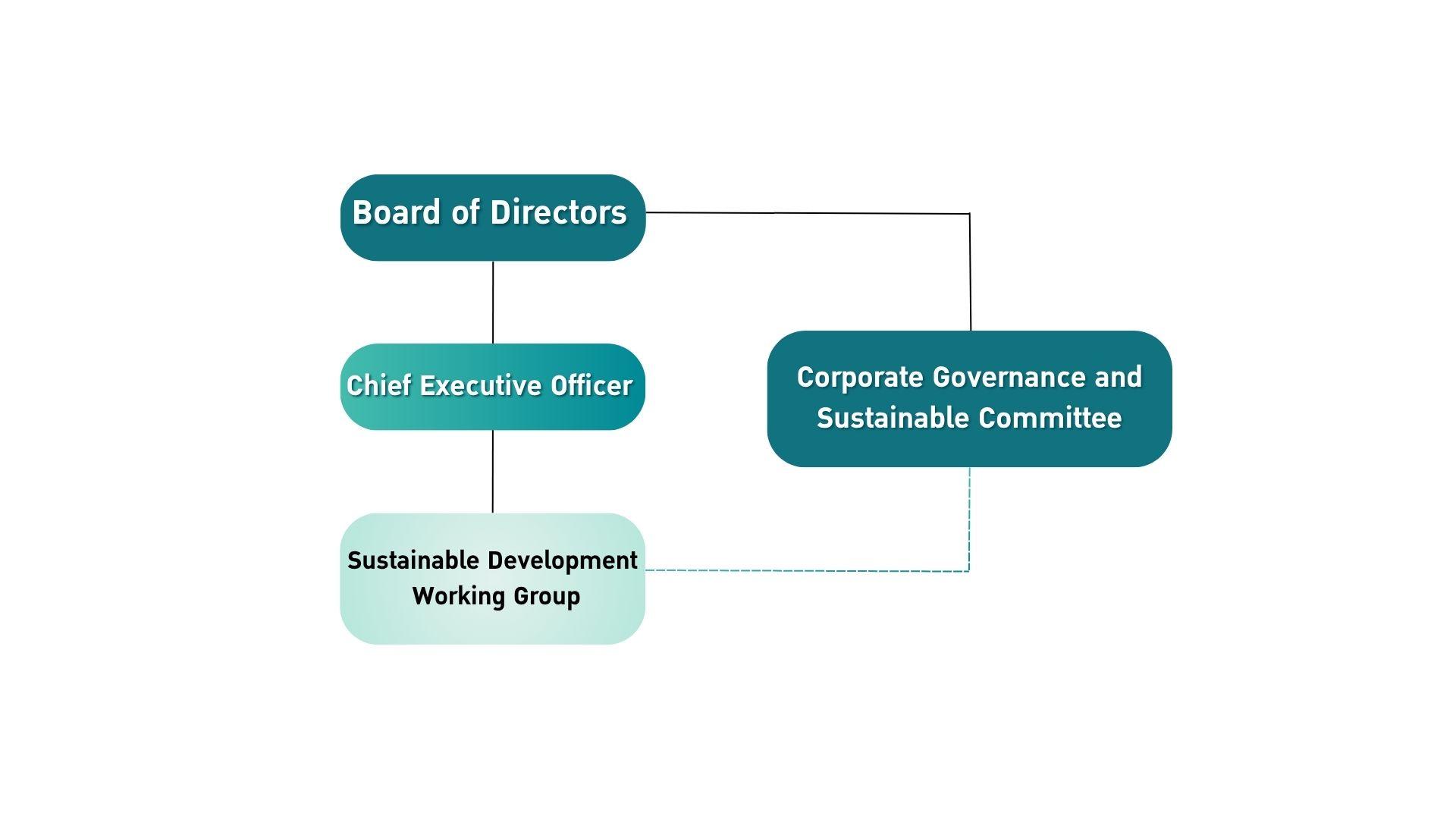
Governance Body | Roles and Responsibilities |
Board of Directors (2 meetings per year) |
|
Corporate Governance and Sustainable Committee (2 meetings per year) |
|
Chief Executive Officer (4 meetings per year) |
|
Sustainable Development Working Group (6 meetings per year) |
|
Climate governance is overseen by the Board of Directors and the Corporate Governance and Sustainable Committee to drive the organization toward tangible outcomes. The Company has incorporated progress in greenhouse gas reduction into its key performance indicators (KPIs), which are linked to the performance evaluation system and variable compensation of senior executives. This reflects the commitment to advancing and achieving its sustainability agenda.
Climate Strategy
2.1 Scope of Climate Risk and Opportunity Assessment
The Company has conducted an assessment of climate-related risks and opportunities in accordance with the frameworks of the Task Force on Climate-related Financial Disclosures (TCFD) and IFRS S2 Climate-related Disclosures, with reference to the IPCC Shared Socioeconomic Pathways (SSPs). The assessment considers potential impacts on the Company’s business operations and financial position, covering all medical services and supporting operational activities. The assessment timeframe is defined across three time horizons: short-term, medium-term, and long-term.
Time Horizon | Year Range (B.E. / C.E.) | Description |
Short-term | 2568–2570 (2025–2027) | Annual year-on-year assessment to monitor progress and adjust operational plans in line with current conditions. |
Medium-term | By 2570 (2027) | Aligned with the medium-term greenhouse gas reduction target compared with the base year 2565 (2022), covering a five-year period. |
Long-term | By 2608 (2065) | Aligned with the Company’s Net Zero target and long-term climate change commitments. |
2.2 Climate Scenario Analysis
The Company conducted a climate scenario analysis covering both physical risks and transition risks under two key scenarios, with reference to the frameworks of the Task Force on Climate-related Financial Disclosures (TCFD) and IFRS S2 Climate-related Disclosures. This analysis aims to assess the potential impacts of climate-related risks and opportunities on the Company’s business operations, strategy, and financial planning, as outlined below.
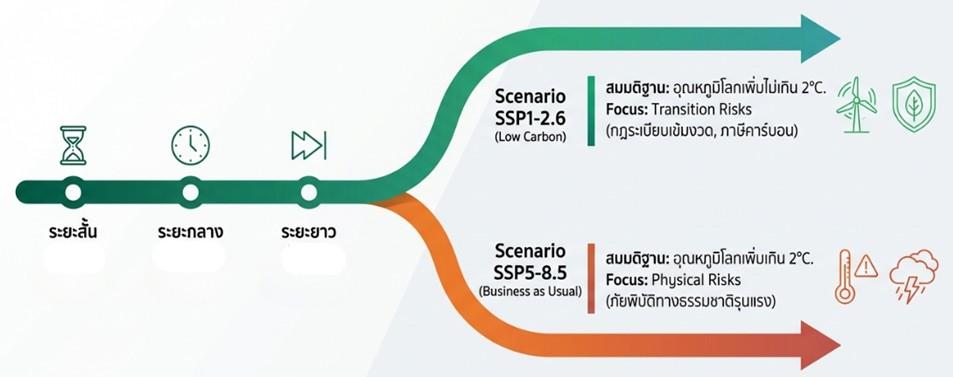
SSP1-2.6 Scenario (Low-Carbon Scenario) This scenario assumes that global temperature rise is limited to below 2 degrees Celsius, in line with international climate commitments. It primarily focuses on transition risks, particularly those arising from low-carbon policies and regulatory measures.
Key Characteristics | Business Impacts | Company Response |
|
|
|
2. SSP5-8.5 Scenario (Business as Usual - BAU): A high greenhouse gas emission scenario leading to a temperature increase exceeding 2 degrees Celsius, emphasizing severe physical risks.
Key Characteristics | Business Impacts | Company Response |
|
|
|
2.3 Corporate Strategy The Company has established four strategic pillars (4 Pillars Strategy) to strengthen the organization’s long-term resilience in addressing climate-related risks and opportunities under the climate scenarios described above. The details are as follows:
Strategy | Implementation Approach |
|
|
|
|
|
|
|
|
The strategies outlined above not only address transition risks in line with the TCFD framework, but also create opportunities to enhance operational efficiency and strengthen confidence among patients and investors that the Company is a leading healthcare provider committed to growing alongside sustainable environmental stewardship.
1. Climate-Related Risk and Opportunity Management
The Company has integrated climate-related risks into its Enterprise Risk Management (ERM) process through the following steps:
1. Risk Identification
The Risk Management Working Group, together with the Sustainable Business Development Working Group, identifies potential risks arising from climate-related factors, covering both physical risks and transition risks.
2. Risk Assessment
Risks are evaluated based on their likelihood of occurrence and the severity of potential impacts on the business and financial position, with consideration given to different time horizons (short-, medium-, and long-term).
3. Risk Prioritization
Identified risks are prioritized according to their level of severity in order to determine appropriate management approaches.
4. Risk Mitigation
Risk management measures are established for material risks, including the designation of responsible parties and relevant performance indicators.
5. Monitoring and Reporting
Risk status and the effectiveness of mitigation measures are monitored regularly and reported to the Risk Management Committee and subsequently to the Board of Directors.
Assessment of Climate-Related Risks and Opportunities in accordance with TCFD and IFRS S2
Risk Category | Risk Issue | Details and Factors Affecting the Business | Financial Impact | Management Strategy |
Physical Risk | Physical Risk High Risk |
|
| Mitigation Strategy
Adaptation Strategy
|
Chronic Risk High Risk |
|
| ||
Transition Risk | Policy and Legal - Carbon tax and energy regulation High Risk | Stricter environmental regulations, such as carbon taxes and energy efficiency requirements for controlled buildings. |
|
|
Market and Consumer Behavior Low Risk | Customers increasingly prioritize hospitals with environmentally responsible policies (Green Hospitals) and prefer environmentally friendly healthcare services. | Loss of market opportunities – Risk of losing customers if the organization’s sustainability image is not clearly communicated. | ||
Economy and Energy High Risk | Volatility in clean energy prices and fuel prices in the global market. | Cost volatility – Rising electricity prices and higher transportation costs for medical supplies. | ||
Technology High Risk | Need for investment in new medical innovations and AI to improve energy efficiency. | Access to financing – Lending conditions from financial institutions that emphasize ESG criteria (Green Loans). |
Assessment of Climate-Related Opportunities in accordance with TCFD and IFRS S2
Opportunity Category | Description | Details and Approaches to Seize Opportunities | Financial Impact
|
Development of service innovations aligned with evolving customer trends while reducing greenhouse gas emissions. High Opportunity | Adoption of modern medical technologies and service models that reduce resource consumption and travel, addressing the expectations of health- and environmentally conscious consumers. |
|
|
Access to Sustainable Finance Medium Opportunity
| Improved access to green finance, including loans, debt instruments, and bond issuances from banks and capital markets, helping reduce the Company’s financing costs. | Advancing toward becoming an AI-driven hospital by fully leveraging artificial intelligence technologies, while emphasizing sustainability and strengthening preparedness to address climate change. |
|
All the above risks and opportunities have been analyzed across the short-, medium-, and long-term horizons, in accordance with the scope and timeframes defined earlier.
1. Metrics and Targets
The Company is committed to advancing its climate sustainability goals by designating 2022 as the base year for calculating and monitoring performance. The data is externally verified to enhance credibility, and targets have been established across different time horizons. The Company has strengthened its commitment by accelerating its Net Zero greenhouse gas emissions target by 15 years, aiming to achieve Net Zero by 2050 (B.E. 2593). The Company also plans to submit its targets for validation by the Science Based Targets initiative (SBTi) in the fourth quarter of 2026, while its carbon footprint data has been externally verified by the Thailand Greenhouse Gas Management Organization (TGO) for the fourth consecutive year.
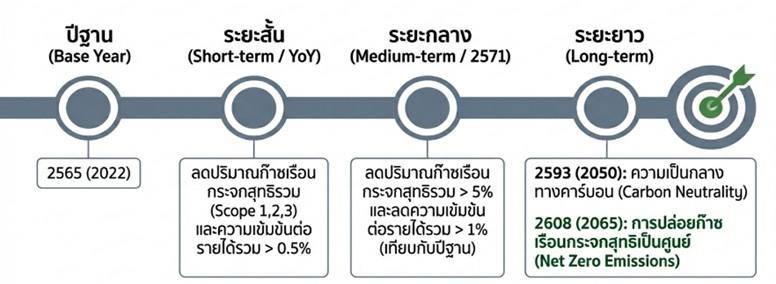
The revised target is aligned with national commitments and international frameworks, including:
Thailand’s Nationally Determined Contribution (NDC) under the Paris Agreement
Thailand’s national roadmap to achieve Net Zero emissions by 2050 (B.E. 2593)
Global efforts under the Paris Agreement to limit the increase in global temperature to 1.5 degrees Celsius
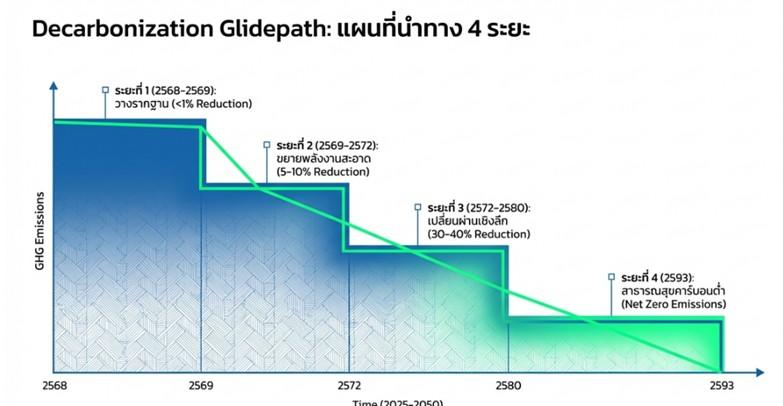
To support this commitment, the Company will develop a Decarbonization Roadmap outlining clear strategies and measures to systematically reduce greenhouse gas emissions, ensuring effective progress toward the stated targets.
Performance Results
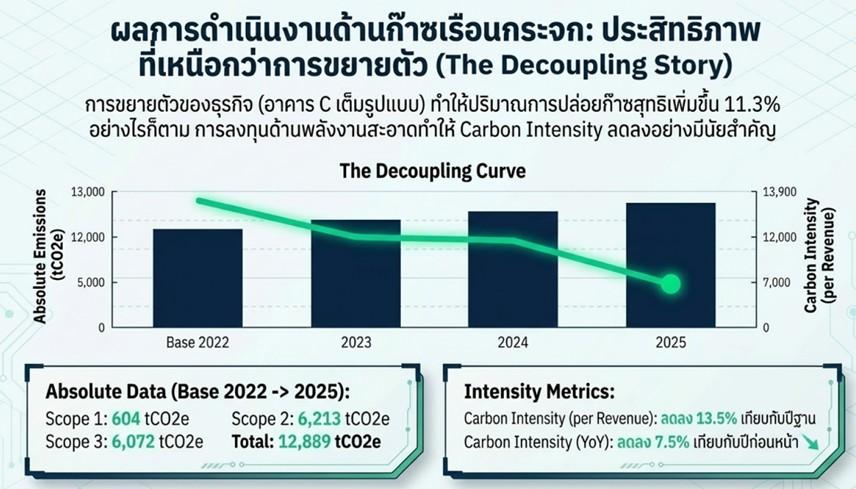
The Company has designated 2022 as the base year for tracking climate-related performance. The assessment covers three operational buildings: Building A, Building B, and the Office Building.
Short-term performance (Year-on-Year compared with 2024): Carbon intensity by revenue decreased by 7.5%, exceeding the Company’s short-term target.
Medium-term performance (compared with the 2022 base year): Carbon intensity by revenue decreased by 13.5%, reflecting the effectiveness of the Company’s ongoing energy efficiency initiatives.
Assurance The Company places importance on the credibility of disclosed data and undertakes the following:
Greenhouse Gas Data: Certified by the Thailand Greenhouse Gas Management Organization (Public Organization) for the fourth consecutive year (since 2022).
Water Quality Data: Wastewater and drinking water analyses are conducted by ALS Laboratory Group (Thailand) Co., Ltd., an accredited laboratory.
Environmental Policy and Climate Change Management
The Company’s environmental policy is committed to minimizing negative environmental impacts. The policy has been approved by the Board of Directors and is reviewed at least annually. It covers strict compliance with environmental laws and regulations throughout the value chain, including the management of climate change.
The policy also defines the roles and responsibilities of the Board of Directors, management, the Sustainable Development Working Committee, and the Energy Management Committee Chair to oversee implementation in alignment with the Company’s business plan and budget. Performance is monitored and measured in accordance with international standards to ensure transparency and build confidence among partners, employees, and all stakeholders. In 2025, the Company recorded no environmental disputes or complaints from surrounding communities.

Scan the QR Code to access the full Environmental Policy.
The policy focuses on managing environmental impacts and pollution through innovation and technology, covering four key areas:
Climate change management
Energy conservation
Water management and conservation
Waste management
Performance indicators are established and benchmarked against total patient days and hospital revenue. The Company also promotes environmental awareness and training among employees. Environmental performance and complaints are continuously monitored with the goal of maintaining zero complaints, while buildings and environmental conditions are inspected to ensure 100% compliance with safety standards. These efforts lay the foundation for efficient resource management and support the future development of Smart Building initiatives.
Metrics and Targets
Key Focus Areas | Short-term Targets | Medium-term Goals | Long-term Targets |
Climate Change Management | Greenhouse Gas Emissions Reduction Absolute Emissions Reduction
Carbon Intensity
| Greenhouse Gas Emissions Reduction Absolute Emissions Reduction
Carbon Intensity
|
|
Energy Conservation | Reduce energy consumption
| Reduce energy consumption
| |
Water Management and Conservation | Reduce water consumption
| Reduce water consumption
| |
Waste Management | Reduce waste volume
| Reduce waste generation
|
Environmental Guidelines
| Guideline |
|---|
| Electricity Management |
| Fuel Management |
| Renewable/Clean Energy Management |
| Water Management |
| Waste Management |
| Biodiversity Management |
| Greenhouse Gas and Climate Change Management |
| Air Quality Management |
| Noise Pollution Management |
Environmental Policy Review
Policy Reviewed This Year
No
Review Details
-
Policies & Guidelines Changed
| Change |
|---|
| Electricity Management |
| Renewable/Clean Energy Management |
| Water Management |
| Waste Management |
| Biodiversity Management |
| Greenhouse Gas and Climate Change Management |
| Air Quality Management |
| Noise Pollution Management |
Energy — Plan & Guidelines
Has an Energy Management Plan
Yes
Plan Description
Energy Management
The use of fossil fuels for electricity generation has caused significant environmental pollution, particularly air pollution. At the same time, the Company’s energy demand continues to increase in line with economic growth. These factors may lead to potential energy shortages and affect the quality of life of people in society. To address these challenges, the Company focuses on renewable energy management and the development of clean technologies across its business value chain. These approaches serve as key tools for reducing greenhouse gas emissions and promoting efficient energy use. The initiatives are also aligned with the United Nations Sustainable Development Goals (SDGs), Goal 13: Climate Action. These actions reflect the Company’s commitment to balancing business growth with environmental responsibility in order to move toward a truly sustainable future.
Establishing Policies, Targets, and Continuous Monitoring for Energy Conservation
The company has established an energy management policy as a framework to foster operational participation in energy conservation and apply management systems in accordance with Thailand's Energy Conservation Promotion Act B.E. 2535 (1992) and JCI Standard Edition 8 (Global Health Impact Chapter). Additionally, it systematically compiles environmental and energy databases throughout the business's value chain. In the past year, the company assessed energy consumption proportions, energy management status, analyzed energy conservation potential, defined measures, monitored and evaluated energy conservation results, and continuously presented these to the executive board to sustainably reduce risks and negative impacts on the environment and society.
Assess energy consumption proportion.
h
Energy — Electricity Consumption
Electricity Consumption
| Metric | Current Year | Previous Year | Two Years Ago |
|---|---|---|---|
| Total electricity consumption within the organization (Kilowatt-Hours) | 13,075,068.42 | 12,741,967.7 | 12,366,253 |
| Electricity purchased for consumption from non-renewable energy sources (Kilowatt-Hours) | 13,014,101 | 12,728,175 | 12,366,253 |
| Electricity purchased or generated for consumption from renewable energy sources (Kilowatt-Hours) | 60,967.42 | 13,792.7 | 0 |
Energy — Fuel Consumption
Fuel Consumption
| Metric | Current Year | Previous Year | Two Years Ago |
|---|---|---|---|
| Crude oil (Barrels) | 0 | 0 | 0 |
| Coal (Metric tonnes) | 0 | 0 | 0 |
| Jet fuel (Litres) | 0 | 0 | 0 |
| Diesel (Litres) | 71,310.76 | 71,902.17 | 62,647.32 |
| Gasoline (Litres) | 20,097.81 | 19,268.58 | 14,083.82 |
| Fuel oil (Litres) | 0 | 0 | 0 |
| Natural gas (Standard cubic feet) | 0 | 0 | 0 |
| LPG (Kilograms) | 59,856 | 61,392 | 61,624 |
| Steam (Metric tonnes) | 0 | 0 | 0 |
Energy — Targets
Has Set Targets
Yes
Targets
| Target | Base Year | Base Year Value | Target Year | Target Year Value | Target Change (%) | Unit |
|---|---|---|---|---|---|---|
| Reduction of electricity purchased for consumption | 2,022 | 10,842,692 | 2,028 | 54,213 | 0.5 | Kilowatt-hour |
| Reduction of electricity purchased for consumption | 2,022 | 10,842,692 | 2,028 | 54,213 | 0.5 | Kilowatt-hour |
Energy — Performance & Outcomes
Has Performance Results
Yes
Performance Description
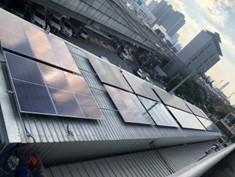
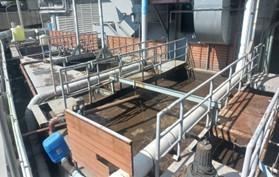
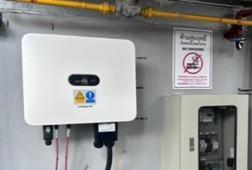
Solar Cell Installation Project for Wastewater Treatment System, Building A
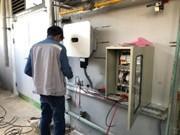
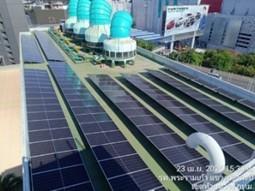
The wastewater treatment system in Building A operates using the Activated Sludge (AS) process, which relies primarily on aeration pumps and water pumps. As a result, the system requires relatively high electricity consumption. To address this, the Company implemented a Solar Cell installation project to supply renewable electricity for the wastewater treatment system. The solar panels were installed on the roof area above the walkway behind the building, with a total installed capacity of 20.74 kW.
Performance Results (February 1 – December 31, 2025)
The system generated 15,944 kWh of solar electricity to replace electricity from the main grid.
The estimated full-year performance is expected to reach approximately 17,393 kWh per year.

Solar Rooftop Installation Project, Building C
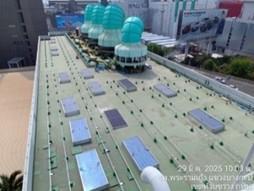
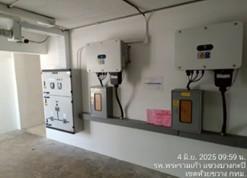
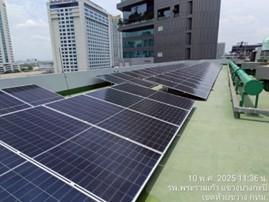
The Company renovated the 7th floor of Building C to be used as office space. During the renovation, a solar rooftop system was installed on the building’s rooftop to generate electricity for use within the office, such as for the air-conditioning system and office equipment. The project installed 144 solar panels with a total installed capacity of 80 kW.
Performance Results (July 1 – December 31, 2025)
The system generated 55,204 kWh of electricity, replacing electricity from the main grid
The estimated full-year performance is expected to reach approximately 110,408 kWh per year.
VRV Air Conditioner Installation Project to Replace the Split-Type System
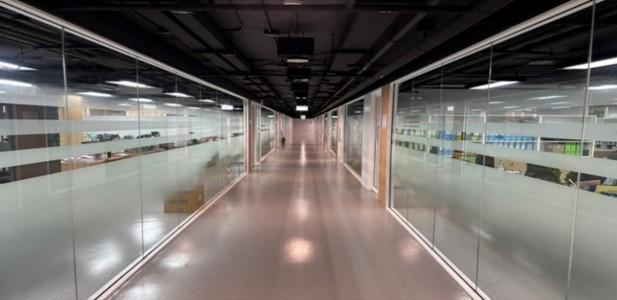
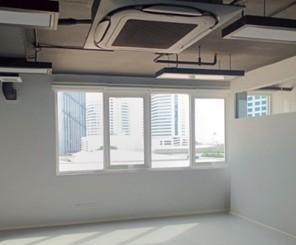
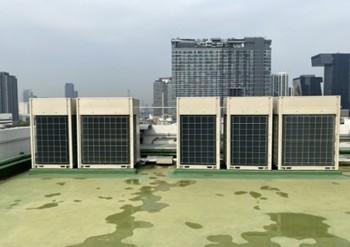
This project is part of the Company’s energy conservation initiatives implemented alongside the renovation of Building C. Previously, the building used split-type air conditioning systems, which consumed relatively high levels of electricity and required frequent maintenance. During the renovation of the 7th floor of Building C for office use, the Company installed a VRV (Variable Refrigerant Volume) air conditioning system, which is better suited to the operational layout and offers higher energy efficiency than the previous system.
Performance Results (July 1 – December 31, 2025)
Based on actual energy consumption measurements within the operational area, the VRV air-conditioning system reduced electricity consumption by 25,934 kWh compared with the previous split-type system.
The estimated full-year performance is expected to achieve electricity savings of approximately 51,867 kWh per year.
Project to Replace Split-Type Air Conditioners with a Chilled Water System (Chiller Water System) – Building B
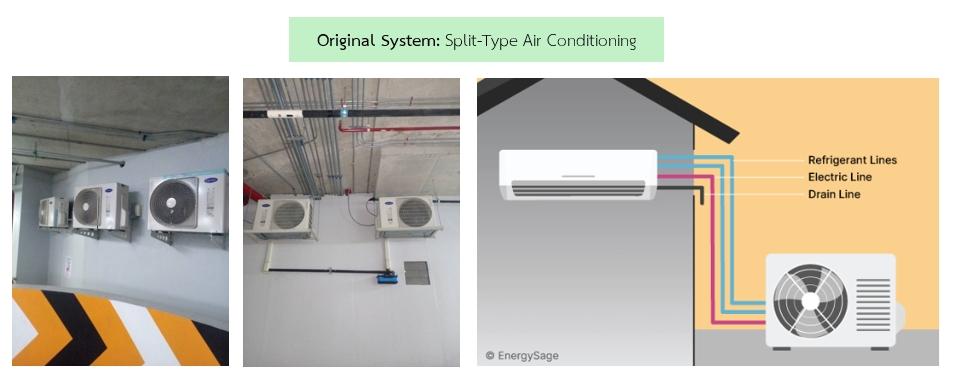
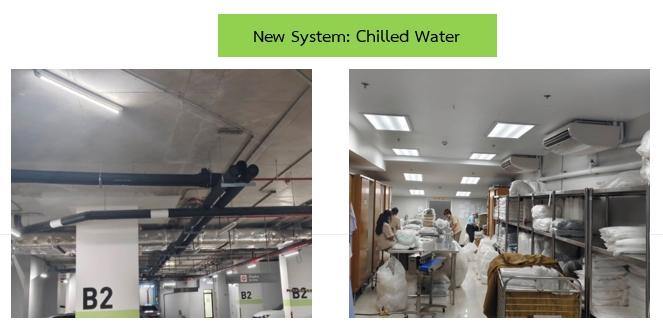
The B2 floor of Building B is generally used as a parking area and engineering service rooms; however, some areas are designated as functional rooms equipped with air-conditioning units. Previously, the chilled water piping system from the chiller plant was not installed on this floor, resulting in all air-conditioning units being split-type systems. As the operational areas expanded and additional air-conditioning units were required, extending the chilled water piping to the B2 floor and replacing the split-type units with a chilled water air-conditioning system became a more cost-effective solution and provided greater energy efficiency compared with the split-type system.
Performance Results (March 1 – December 31, 2025)
Following the installation of chilled water piping and the replacement of split-type air conditioners with a chilled water system, a comparison of electricity consumption before and after implementation showed energy savings of 19,451 kWh.
The estimated full-year performance is expected to achieve electricity savings of approximately 24,066 kWh per year.
Energy Management Performance
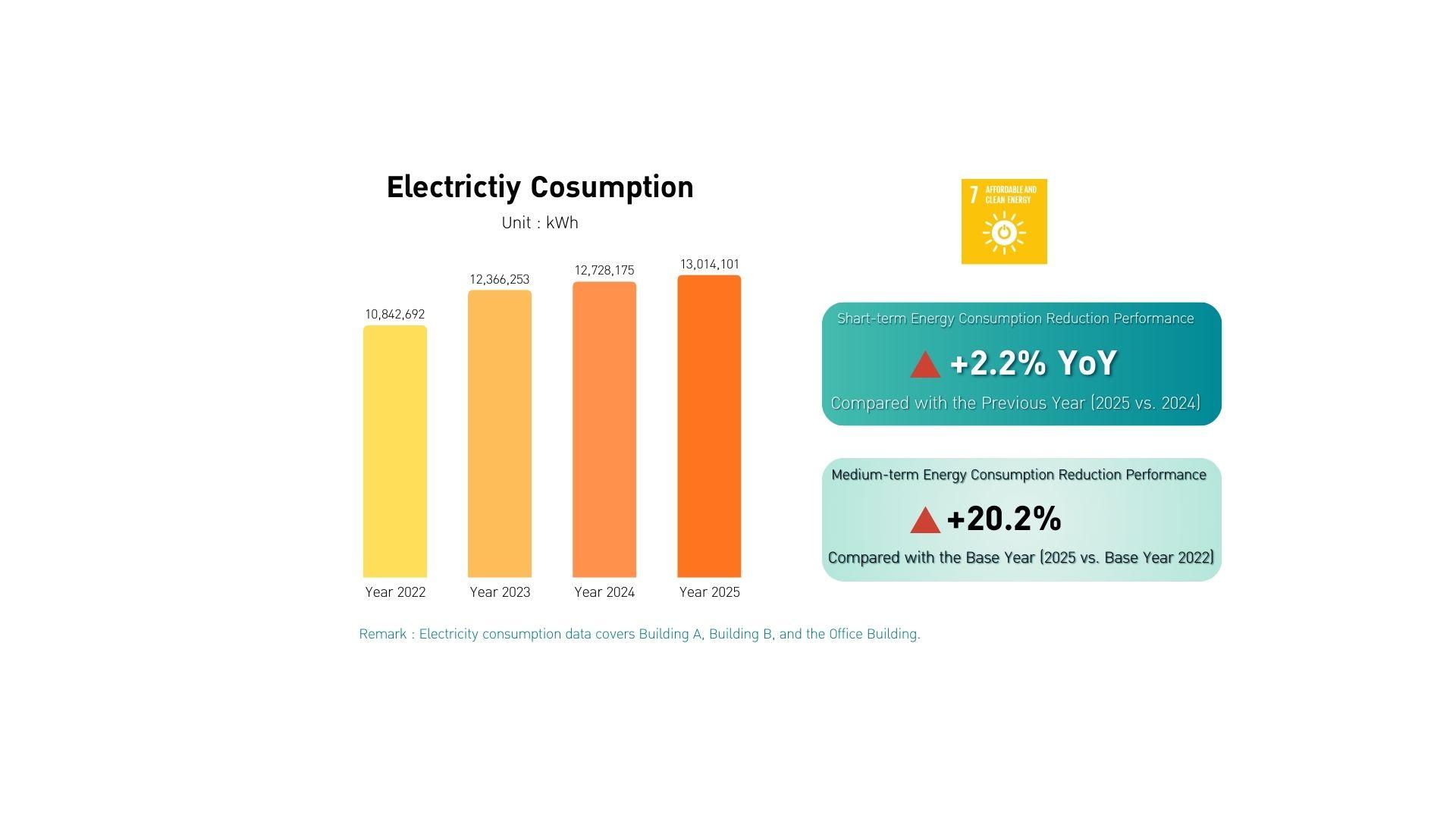
Energy Consumption by Type
Type | Year 2022 | Year 2023 | Year 2024 | Year 2025 |
Non-renewable Fuel Consumption | ||||
Oil used in operations (liters) | 76,731.16 | 69,393.91 | 76,343.67 | 73,440.67 |
Coal (kilograms) | 0 | 0 | 0 | 0 |
Natural Gas (KgCH4) | 643.86 | 613.20 | 624.00 | 372.00 |
Electric Energy Consumption | ||||
Electrical energy (kWh) | 10,842,692 | 12,366,253 | 12,728,175 | 13,014,101 |
The Company has designated 2022 as the base year for calculating and monitoring energy consumption, covering three operational buildings: Building A, Building B, and the Office Building. Energy performance is reported in terms of total energy consumption using the absolute approach, as well as energy consumption per patient bed day using the economic intensity approach. In addition, the Company has introduced the disclosure of energy consumption per revenue, in order to align with GRI disclosure standards, consistent with other sustainability reporting topics of the Company.
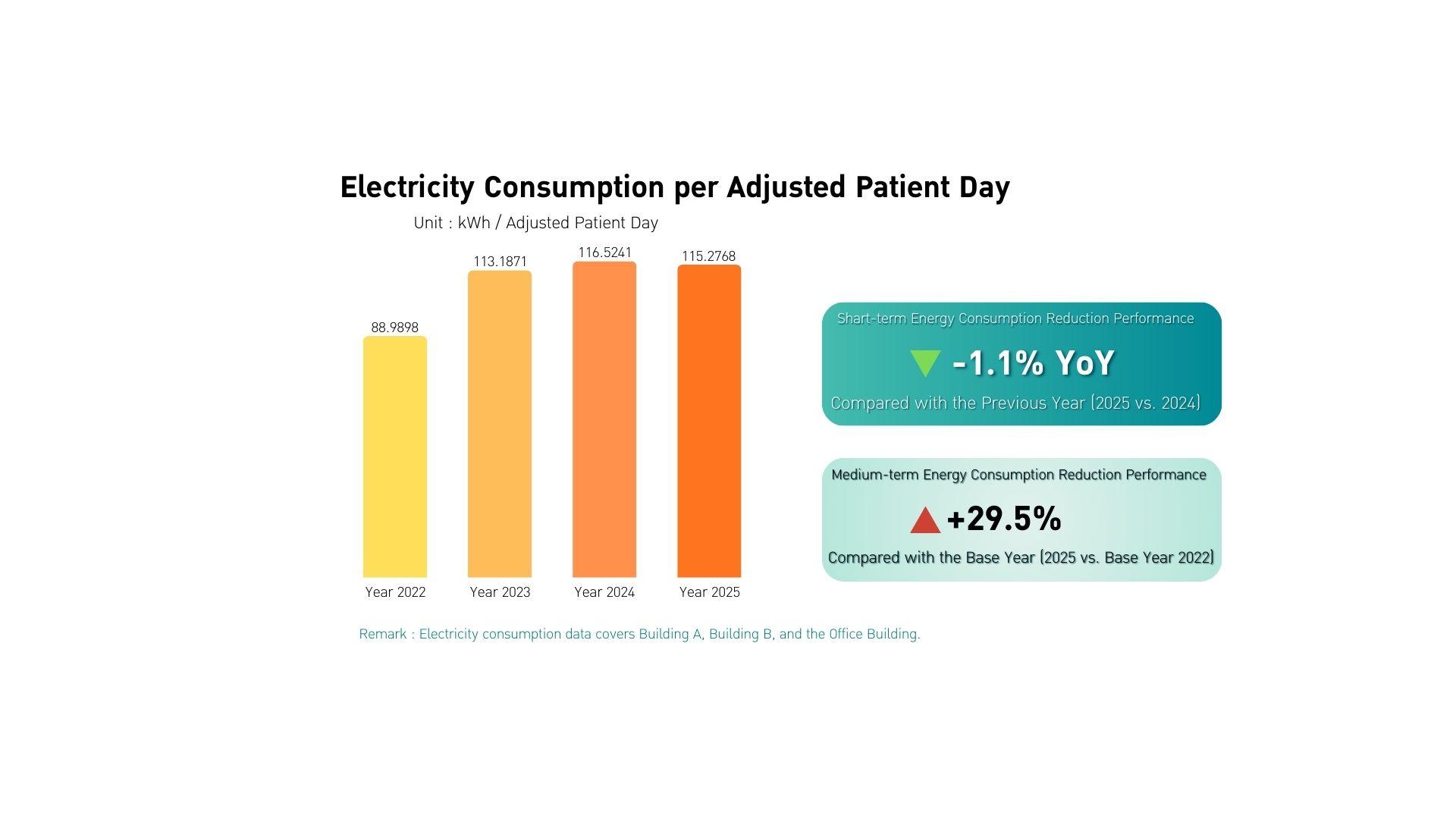
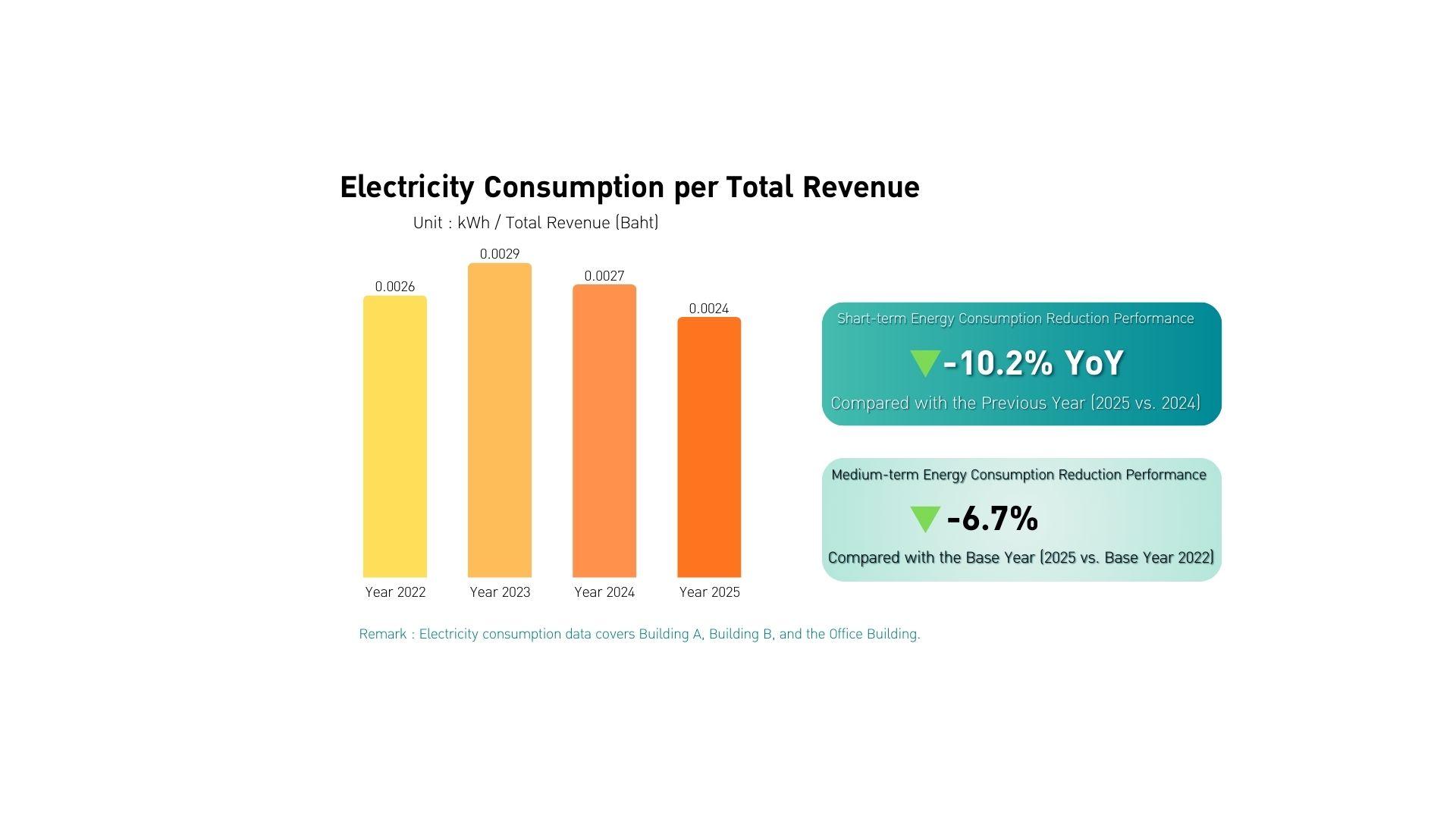
In 2025 compared with 2024, total energy consumption increased by 2.2 percent. However, energy consumption per adjusted patient day decreased by 1.1 percent, and energy consumption per total revenue decreased by 10.2 percent.
In 2025 compared with the base year 2022, total energy consumption increased by 20.0 percent, and energy consumption per adjusted patient day increased by 29.5 percent, mainly due to business expansion and the full operation of Building C. Nevertheless, energy efficiency has continued to improve, as reflected by energy intensity per total revenue, which decreased by 6.7 percent, and in 2025 alone decreased by 10.2 percent. In addition, the use of renewable energy increased by 4.5 times, reflecting the Company’s commitment to increasing the share of clean energy.
The Company promotes sustainable energy conservation, considering it a key responsibility for all departments to implement concrete actions. Operational plans and energy conservation measures have been established across the business value chain to enhance resource efficiency and maximize the value of energy use.
Energy development and management guidelines
Improve energy efficiency through a variety of measures
Promote the use of environmentally friendly renewable energy across the value chain
Encourage and support energy conservation and energy reduction activities 4. Control the operation of large-scale air-conditioning systems 5. Promote the use of technology in medical services 6. Develop personnel and stakeholders in energy conservation throughout the business value chain
Water — Plan & Guidelines
Has a Water Management Plan
Yes
Plan Description
Water Management
Water resources are one of the essential operational factors for hospitals, including maintaining cleanliness, sterilization, performing medical procedures, and ensuring a safe environment for patients and personnel. The Company recognizes the importance of effective water management within its business operations and has therefore established a water management policy that covers the entire water use cycle, from water withdrawal and treatment to reuse and the discharge of wastewater into the public drainage system in accordance with legal standards. This approach is aligned with the United Nations Sustainable Development Goals (SDGs), particularly Goal 6: Clean Water and Sanitation and Goal 13: Climate Action. The Company integrates water management into its ESG governance framework, with the Board of Directors and the Corporate Governance and Sustainable Business Development Committee overseeing the policy, while the Sustainable Business Development Working Group is responsible for implementation and reporting. This structure aims to ensure balanced and sustainable water resource management in the long term.
Water Stress Assessment
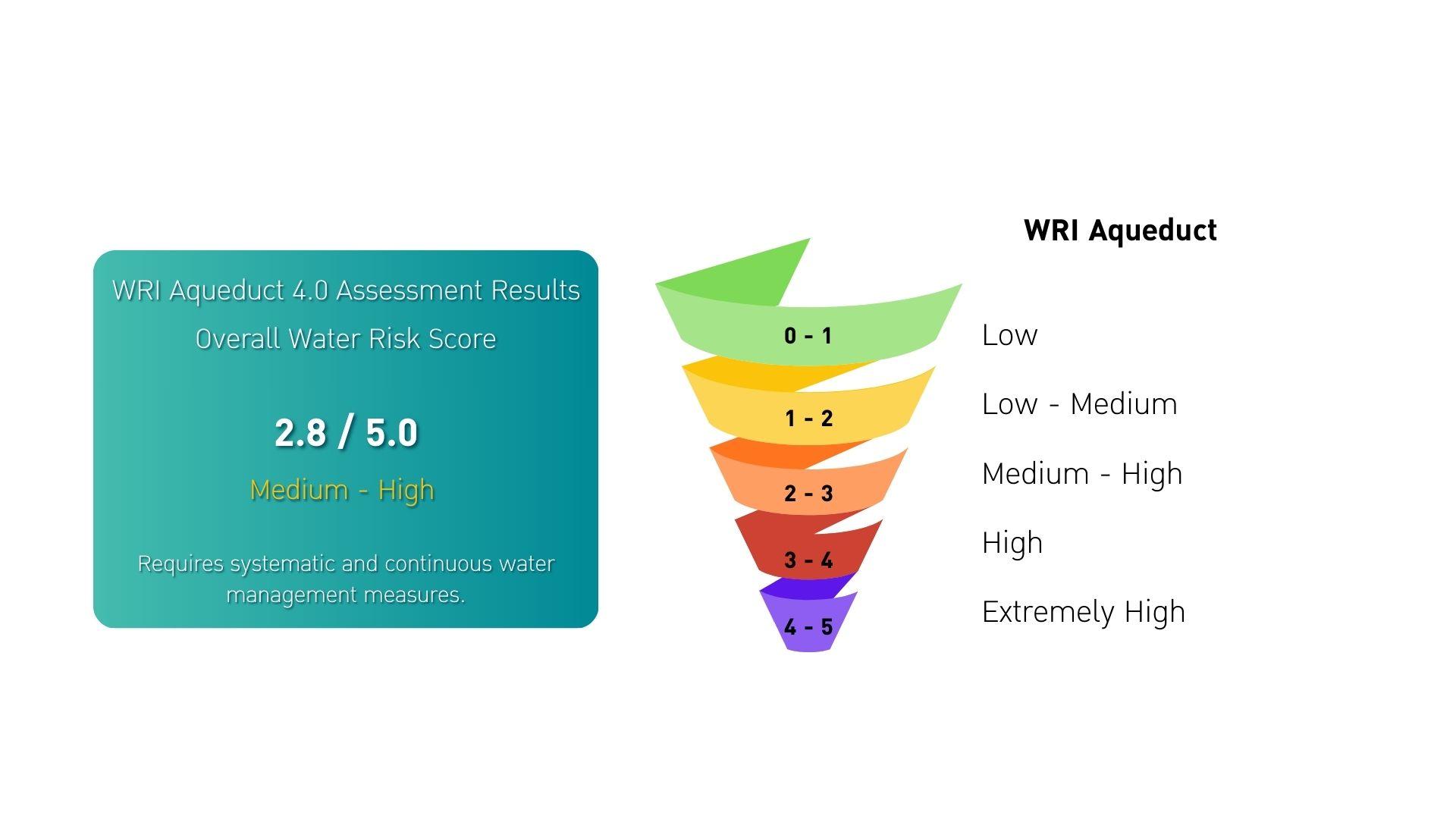
Indicator Score Table — WRI Aqueduct 4.0 (Huai Khwang District, Bangkok)
Indicator | Score | Level | Implications for the Hospital |
Physical Quantity | |||
Baseline Water Stress (ratio of water withdrawals to available supply in the basin) | 2.6 | Medium -High | Bangkok withdraws a high proportion of water from the Chao Phraya River basin, particularly during the dry season (Jan–Apr). Water supply in the municipal system may decline and water pressure may be reduced. |
Seasonal Variability | 3.5 | High | During the monsoon season (May–Oct), excess water increases flood risk; during the dry season (Jan–Apr), water availability decreases and quality may decline, affecting water costs and supply reliability. |
Interannually Variability | 3.1 | High | In years (e.g., 2019, 2024), water levels in upstream reservoirs may fall significantly below normal, while La years may bring severe flooding. Preparedness for both scenarios is required. |
Groundwater Table Decline | 2.9 | Medium -High | Bangkok faces land subsidence of approximately 1–2 cm per year due to groundwater extraction. The hospital uses MEA (Metropolitan Electricity Authority) water supply entirely and therefore does not contribute to this issue, but may still be affected by land subsidence in the surrounding area. |
Physical Quality | |||
Coastal Eutrophication Potential | 2.2 | Medium -High | Wastewater in the Huai Khwang area contains relatively high levels of nitrogen and phosphorus, affecting the quality of water in nearby canals. The hospital treats wastewater to meet regulatory standards before discharge |
Natural Hazard | |||
Riverine Flood Risk (highest indicator) | 3.8 | High | The Huai Khwang district was directly affected by the 2011 flood. The area is approximately 1–2 meters above sea level and connected to several canal networks. This represents a key risk to hospital assets and service continuity |
Drought Risk | 2.0 | Low -Medium | Bangkok’s well-developed municipal water infrastructure helps reduce drought risk; however, during severe drought years, upstream reservoirs such as Bhumibol and Sirikit dams may experience low water levels. |
Summary: Overall Water Risk = 2.8/5.0, Medium -High level (Sector weighting: Services/Healthcare — WRI Aqueduct 4.0 Baseline Annual 1979–2019) | |||
Key Risks Identified in Huai Khwang–Rama IX District There are 3 aspects:
Baseline Water Stress - Medium-High level (2.6/5.0). Bangkok withdraws a high proportion of water from the Chao Phraya River basin, particularly during the dry season (January–April) when upstream water availability decreases while water demand remains high.
Seasonal Variability - High level (3.5/5.0). Significant differences between the monsoon season (May–October) and the dry season affect the seasonal reliability of water resources.
Riverine Flood Risk - High level (3.8/5.0). This is the highest indicator, reflecting the historical and potential flood risks in Bangkok, particularly the 2011 flood, which directly affected the Huai Khwang district. This represents a key risk to the hospital’s assets and service continuity.
Projections from the CMIP6 climate model used in WRI Aqueduct 4.0 indicate that the Baseline Water Stress level in the area is expected to increase from 2.6 at present to 3.1 (High level) by 2050 under the Business-as-Usual scenario (SSP3–RCP7.0). The Company therefore plans to review the Water Stress Assessment every three years to ensure that mitigation measures remain aligned with evolving water-related conditions in the area.
Water — Withdrawal, Discharge & Consumption
Water Withdrawal, Discharge & Consumption
| Metric | Current Year | Previous Year | Two Years Ago |
|---|---|---|---|
| Total water withdrawal (Cubic meters) | 194,032 | 144,223 | 143,995 |
| Total water withdrawal by third-party water (Cubic meters) | 194,032 | 144,223 | 143,995 |
| Total water withdrawal by surface water (Cubic meters) | 0 | 0 | 0 |
| Total water withdrawal by groundwater (Cubic meters) | 0 | 0 | 0 |
| Total water withdrawal by seawater (Cubic meters) | 0 | 0 | 0 |
| Total water withdrawal by produced water (Cubic meters) | 0 | 0 | 0 |
| Percentage of wastewater treated before discharge (%) | 84.62 | 87.32 | 74.42 |
| Total water discharge (Cubic meters) | 164,191 | 125,929 | 107,164 |
| Total water discharge to third-party water (Cubic meters) | 0 | 0 | 0 |
| Total water discharge to surface water (Cubic meters) | 164,191 | 125,929 | 107,164 |
| Total water discharge to groundwater (Cubic meters) | 0 | 0 | 0 |
| Total water discharge to seawater (Cubic meters) | 0 | 0 | 0 |
| Total water consumption (Cubic meters) | 29,841 | 18,294 | 36,831 |
| Recycled water (Cubic meters) | 917 | 1,007 | 540 |
Water — Targets
Has Set Targets
Yes
Targets
| Target | Base Year | Base Year Value | Target Year | Target Year Value | Target Change (%) | Unit |
|---|---|---|---|---|---|---|
| Reduction of water consumption | 2,022 | 145,742 | 2,028 | 729 | 0.5 | Cubic meters |
Water — Performance & Outcomes
Has Performance Results
Yes
Performance Description
Water Management Project 2025
Project to Reduce the Automatic Flushing Function of Urinals in Public Male Restrooms
The Company implemented a project to reduce the operation of the automatic flushing system of urinals in public male restrooms starting in 2024, by canceling the setting for automatic flushing every two hours. This adjustment was made because the area is used continuously and flushing already occurs during actual usage; therefore, additional automatic flushing cycles were unnecessary.
This measure enables the Company to manage water consumption more efficiently by reducing unnecessary water use, lowering water utility costs, and promoting responsible water resource utilization without affecting hygiene and cleanliness standards in the area. The project forms part of the Company’s sustainability initiatives, which focus on improving resource efficiency and reducing environmental impacts.
Performance Results
Project resulted in a reduction of 388,800 liters of water per year
Generating approximately 10,498 Baht in annual water cost savings, equivalent to an average reduction of about 1,065 liters per day or 32,400 liters per month.
In 2025, the project resulted in a reduction of 388,800 liters of water per year, generating approximately 10,498 Baht in annual water cost savings, equivalent to an average reduction of about 1,065 liters per day or 32,400 liters per month. In addition, considering the cumulative results from continuous implementation since 2024, the Company has achieved total water savings of approximately 777,600 liters (or 777.6 cubic meters) and cumulative water cost savings of approximately 20,996 Baht.
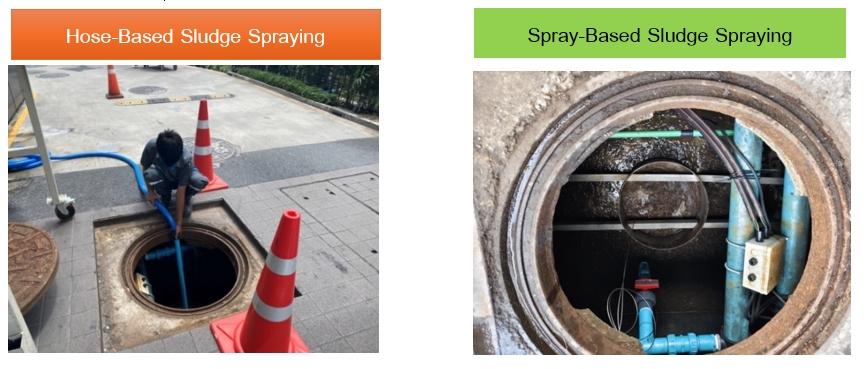
Spray Pipe Installation Project for Floating Sludge Removal in the Wastewater Treatment Pond – Building B
The wastewater treatment system in Building B operates using the Activated Sludge (AS) process. During the sedimentation stage, some sludge may float to the surface. To prevent this sludge from mixing with the clarified water, water spraying is required to break up and reduce the floating sludge.
Previously, the Company used a 1.5-inch hose to spray water twice daily for approximately five minutes per cycle, resulting in relatively high water consumption. To improve efficiency, the Company upgraded the system by installing spray pipes that disperse water evenly throughout the treatment pond. This method uses a smaller volume of water while providing better distribution compared with the previous large-hose spraying method, thereby effectively reducing water consumption in this process.
Performance Results (May 1 – December 31, 2025)
Based on measurements of pipe size and daily water usage duration, the spray system reduced water consumption by 141 cubic meters.
The estimated full-year performance is expected to achieve water savings of approximately 241 cubic meters per year.
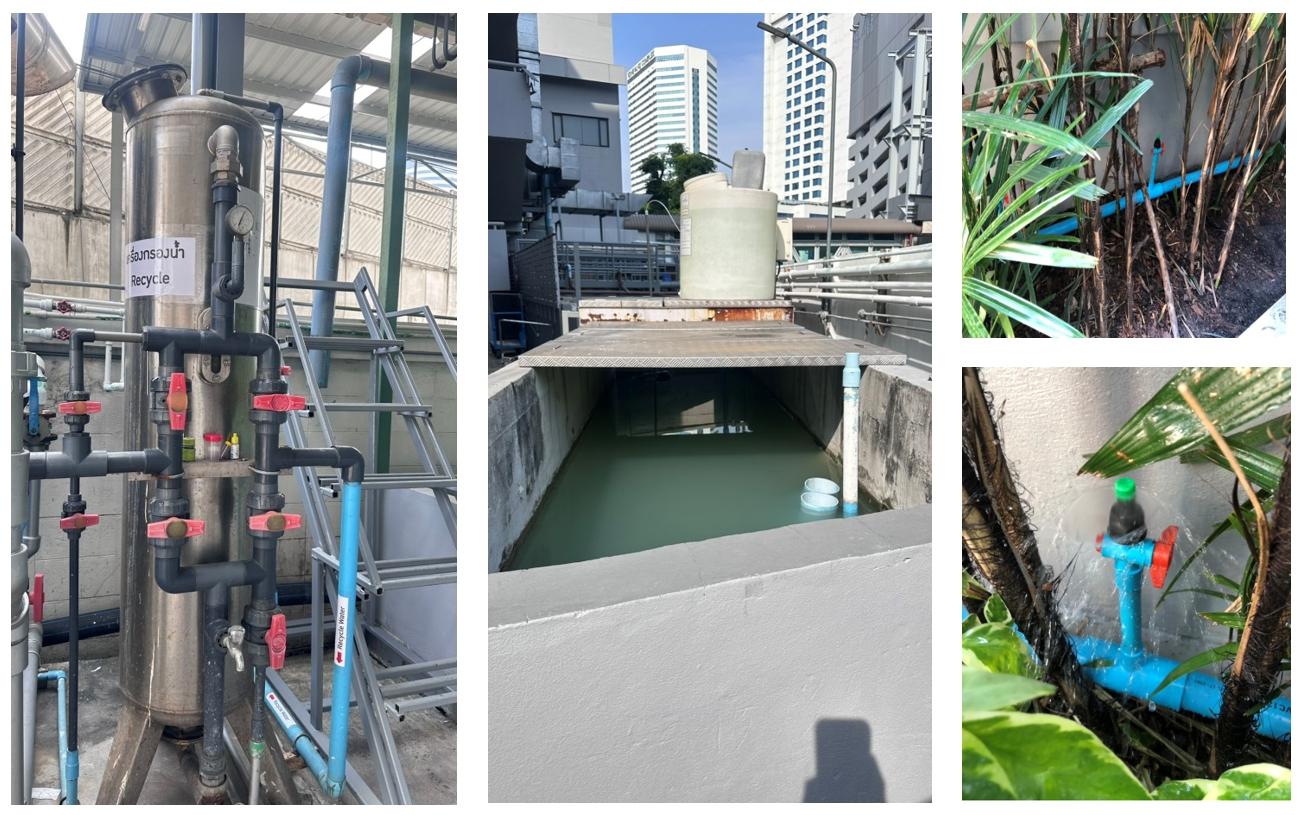
Project to Reuse Treated Wastewater for Landscape Irrigation (Recycle)
The Company implements effective wastewater management measures by reusing water that has been treated to meet legal standards, thereby reducing the use of municipal water. The treated water is primarily reused for irrigating plants within the hospital premises.
This project has been implemented continuously, including the installation of a recycle water filtration system to improve the efficiency of water reuse. However, in early 2025, the volume of recycled water used for plant irrigation decreased due to the accumulation of sediments mixed in the wastewater, which caused blockages in the pipeline system and reduced the amount of water available for reuse.
Based on an annual water usage assessment, only approximately 650 cubic meters of water per year could be reused, representing a decrease of 357 cubic meters per year compared with the previous level. To address this issue, the Company installed an additional wastewater filtration unit to capture sediments and contaminants before entering the pipeline system, thereby improving water flow efficiency.
Performance Results (March 1 – December 31, 2025)
The project increased the volume of recycled water used for irrigation by 281 cubic meters.
The estimated full-year performance is expected to reach approximately 1,007 cubic meters of recycled water per year, significantly reducing the consumption of municipal water.
Water Consumption Data
Praram 9 Hospital uses 100 percent municipal water supplied by the Metropolitan Waterworks Authority (MWA), covering Building A, Building B, and the Office Building, with 2022 designated as the base year.
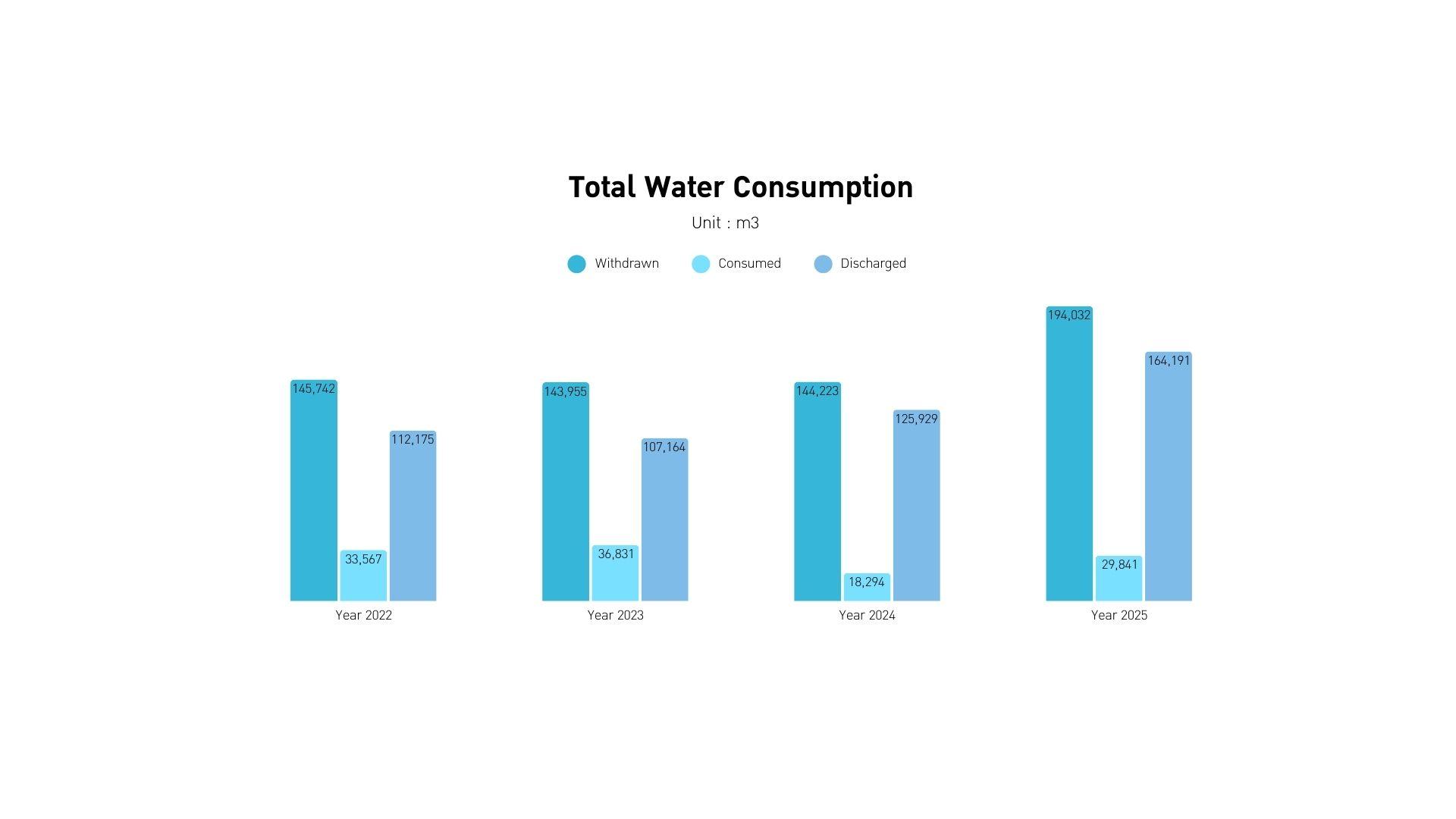
Total Water Consumption | 2022 (Baseline Year) | 2023 | 2024 | 2025 |
Total Water Withdrawn | 145,742 | 143,955 | 144,223 | 194,032 |
Water Consumed | 33,567 | 36,831 | 18,294 | 29,841 |
Water Discharged | 112,175 | 107,164 | 125,929 | 164,191 |
Remark : Total water consumption data includes Building A, Building B, and the Office Building.
Wastewater discharge data and water quality monitoring.
Year 2022 (Baseline Year) | Year 2023 | Year 2024 | Year 2025 | |
Wastewater Treated | 112,175 | 107,164 | 125,929 | 164,191 |
Discharged into public drainage system. | 112,175 | 107,164 | 125,929 | 164,191 |
Remark : *colspan=4: 100 percent compliant with the effluent standards set by the Ministry of Natural Resources and Environment every year.
**Effluent quality analysis is conducted quarterly by ALS Laboratory Group (Thailand) Co., Ltd., an accredited laboratory.
Wastewater Recycling Data
Project | 2022 | 2023 | 2024 | 2025 |
Wastewater management by reusing treated water for plant irrigation (Unit: cubic meters). | 540 | 540 | 1007 | 917 |
Water Recycling Rate (%) | 0.48% | 0.50% | 0.80% | 0.56% |
Water Management and Conservation Targets and Performance
The Company has established water management targets aligned with the Medium–High Water Stress level of the area in which the hospital is located, ensuring that the measures implemented are appropriate to the site-specific water risk context, as follows:
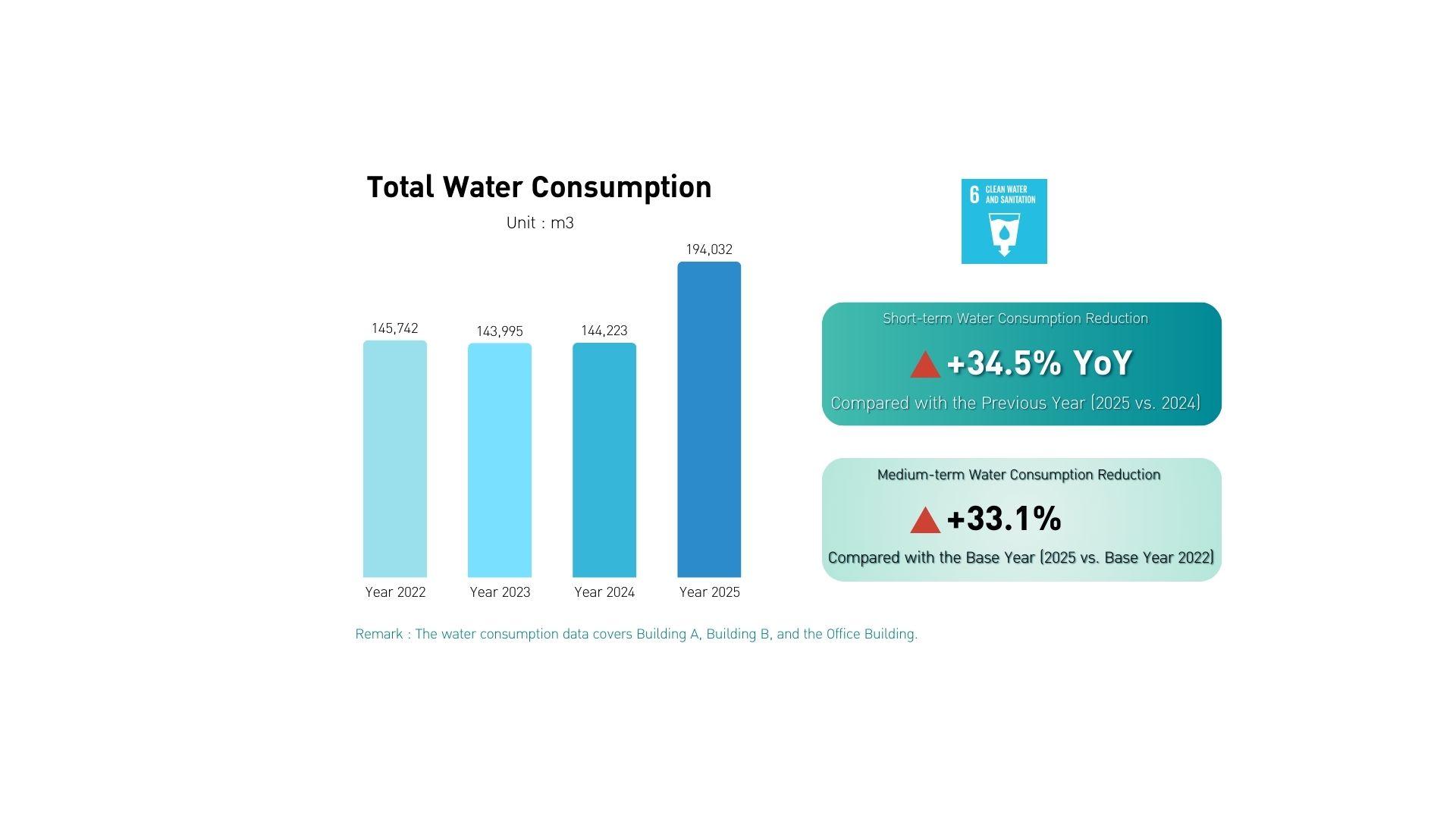
The Company has designated 2022 as the base year for calculating and monitoring energy consumption, covering three operational buildings: Building A, Building B, and the Office Building. In addition, the Company reports water-related data, including total water consumption, water discharge, water withdrawal, and water consumption per total revenue, in accordance with GRI disclosure standards.
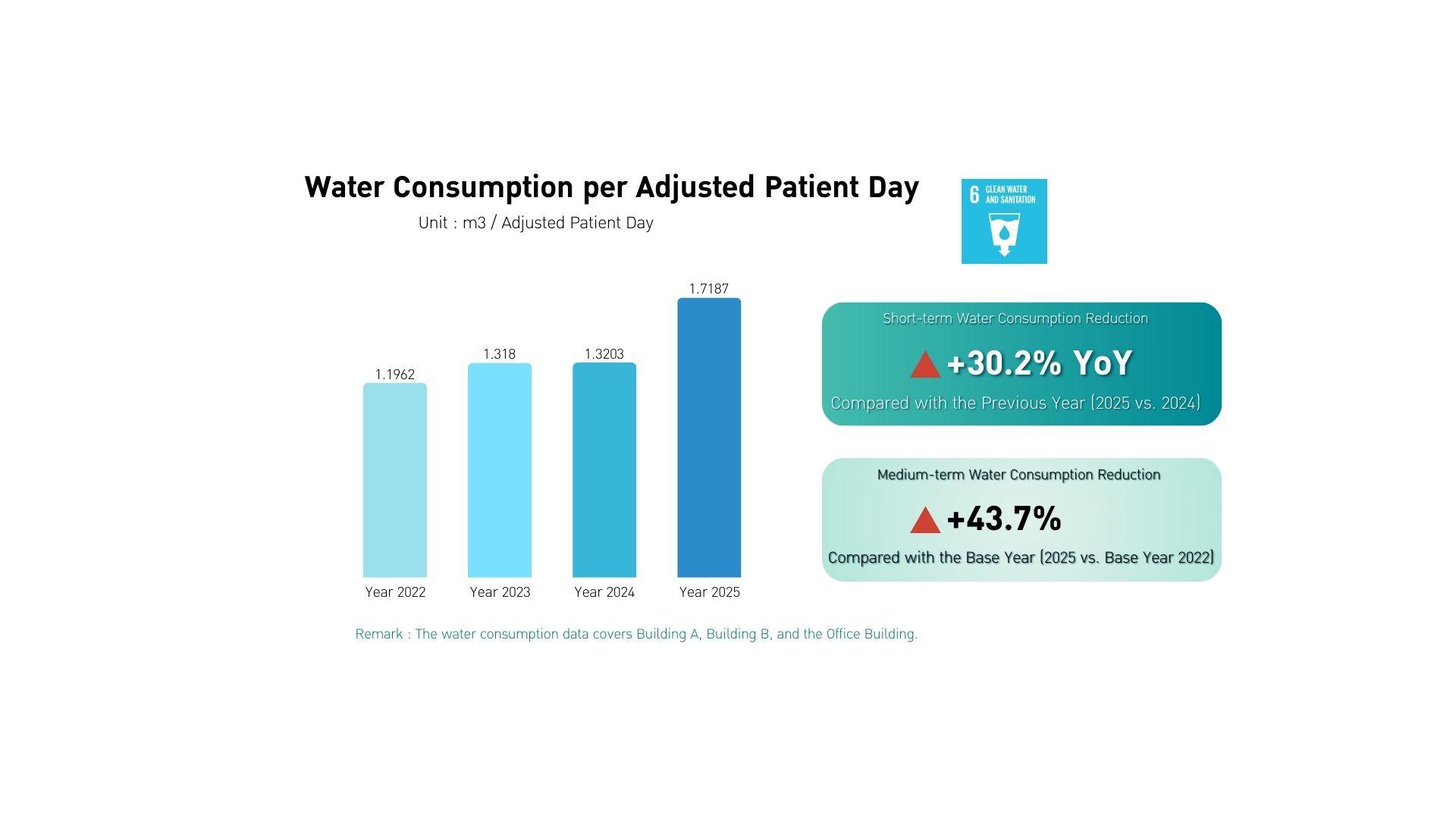
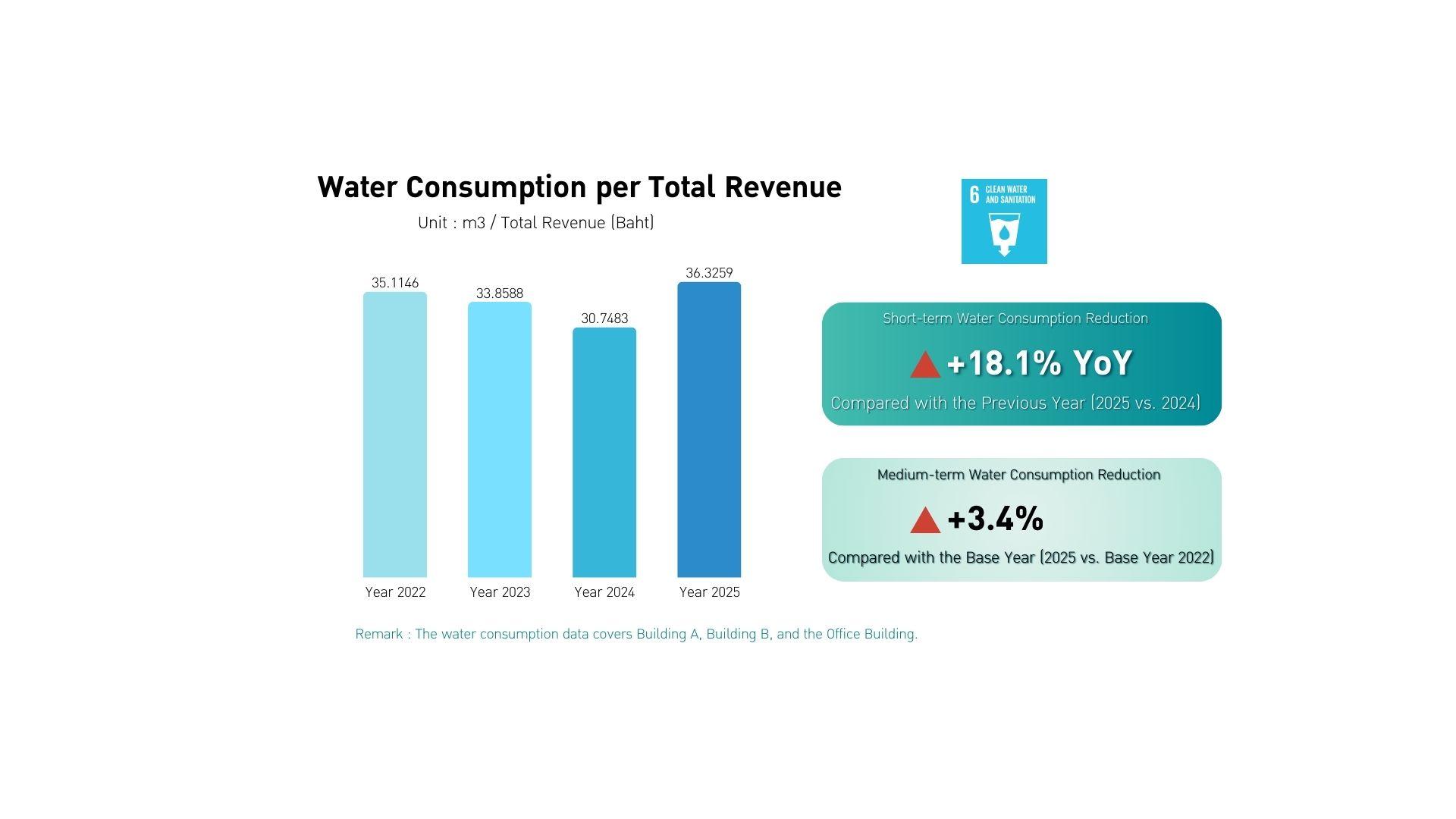
In 2025, compared with 2024, total water consumption increased by 34.5 percent. Water consumption per Adjusted Patient Day increased by 30.2 percent, and water consumption per total revenue increased by 18.1 percent.
Compared with the base year 2022, total water consumption increased by 33.1 percent. Water consumption per Adjusted Patient Day increased by 43.7 percent, and water consumption per total revenue increased by 3.4 percent. All water used by the hospital is freshwater supplied by the public water utility. The increase was mainly due to the full operation of Building C, the expansion of green spaces, and increased medical activities requiring higher water use.
Water Management and Development Approaches
Use water responsibly, including monitoring water consumption and recycling water.
Promote and support water conservation activities.
Encourage the use of technology to improve water resource conservation efficiency.
Systematically monitor water-related risks, particularly risks that may affect the Company. .
Governance and Business Continuity Plan (BCP - Water Risk)
Due to the hospital’s location being exposed to flood risk, the Company has established a Business Continuity Plan (BCP) covering both flood and drought scenarios. The plan includes:
Backup power generators available 24/7 to ensure that water supply and wastewater treatment systems continue to operate during flood situations.
Water storage reserves prepared for emergency situations.
Daily inspection of the wastewater treatment system by the engineering team in accordance with JCI standards.
Coordination plan with the Metropolitan Waterworks Authority (MEA) in case of water supply disruption.
Annual BCP testing and reporting of the results.
Waste — Plan & Guidelines
Has a Waste Management Plan
Yes
Plan Description
Waste Management
The management of hazardous waste and non-hazardous waste is a key challenge in mitigating climate change impacts. These types of waste may serve as breeding grounds for pathogens, generate unpleasant odors, and disrupt ecological balance. If disposed of in landfills without proper management, they may also generate methane gas, a significant contributor to global warming. To address these issues, the Company has implemented a systematic waste management policy that covers the entire business value chain. The approach focuses on waste reduction, waste segregation, and proper disposal in order to minimize greenhouse gas emissions and reduce environmental impacts. This approach is aligned with the United Nations Sustainable Development Goals (SDGs), Goal 12: Responsible Consumption and Production, which emphasizes efficient resource utilization, waste reduction, and the promotion of sustainable development practices. The Company is currently reviewing the declaration of a target to achieve Zero Waste to Landfill by 2032, through increasing recycling rates, promoting reuse, and converting waste into energy. These measures represent key approaches to reducing environmental impacts and supporting the Company’s transition toward a Circular Economy.
Establish policies, targets, and waste reduction measures, and continuously monitor the implementation.
The Company places importance on systematic waste management alongside the assessment of risks related to potential impacts on business operations. The 1A3R principles (Avoid, Reduce, Reuse, Recycle) are applied in operational processes to minimize waste generation at the source and reduce environmental impacts. The Company applies the 1A3R principles (Avoid, Reduce, Reuse, Recycle) in its operations to reduce waste generation at the source and minimize environmental impacts:
Avoid: Avoid the use of materials that generate waste.
Reduce: Reduce the use of single-use materials.
Reuse: Reuse resources where possible.
Recycle: Segregate waste to enable it to be processed and converted into usable products again.
The Company promotes proper waste segregation at the source and places emphasis on avoiding materials that generate waste (Avoid) and reducing single-use materials (Reduce), particularly foam and plastics. Campaigns are conducted to encourage personnel to use personal lunch boxes, water bottles, or cups, and to promote the use of cloth bags or reusable bags. In addition, the Company supports resource reuse (Reuse), such as double-sided paper usage, in order to reduce resource consumption and decrease the volume of waste generated within the organization. Waste is also managed appropriately according to its type, including hazardous waste. This operational approach helps reduce the volume of waste sent to landfills, minimize hazardous waste, and lower greenhouse gas emissions. It also reinforces the Company’s commitment to conducting business in parallel with environmental responsibility and sustainable development.
Waste — Generation, Disposal & Recycling
Waste Generation, Disposal & Recycling
| Metric | Current Year | Previous Year | Two Years Ago |
|---|---|---|---|
| Total waste generated (Kilograms) | 370,727 | 281,568 | 214,815 |
| Non-hazardous waste (Kilograms) | 363,970 | 275,053 | 210,390 |
| Non-hazardous waste - Landfilling (Kilograms) | 222,145 | 191,519 | 117,221 |
| Non-hazardous waste - Incineration (with energy recovery) (Kilograms) | 0 | 0 | 0 |
| Non-hazardous waste - Incineration (without energy recovery) (Kilograms) | 141,825 | 83,534 | 93,169 |
| Non-hazardous waste - Other disposal operations (Kilograms) | 0 | 0 | 0 |
| Hazardous waste (Kilograms) | 6,757 | 6,515 | 4,425 |
| Hazardous waste - Landfilling (Kilograms) | 0 | 0 | 0 |
| Hazardous waste - Incineration (with energy recovery) (Kilograms) | 0 | 0 | 0 |
| Hazardous waste - Incineration (without energy recovery) (Kilograms) | 6,757 | 6,515 | 4,425 |
| Hazardous waste - Other disposal operations (Kilograms) | 0 | 0 | 0 |
| Total reused/recycled waste (Kilograms) | 57,090 | 49,158 | 57,600 |
| Reused/Recycled non-hazardous waste (Kilograms) | 57,090 | 49,158 | 57,600 |
| Reused non-hazardous waste (Kilograms) | 0 | 0 | 0 |
| Recycled non-hazardous waste (Kilograms) | 57,090 | 49,158 | 57,600 |
| Reused/Recycled hazardous waste (Kilograms) | 0 | 0 | 0 |
| Reused hazardous waste (Kilograms) | 0 | 0 | 0 |
| Recycled hazardous waste (Kilograms) | 0 | 0 | 0 |
Waste — Targets
Has Set Targets
Yes
Targets
| Waste Type | Disposal Approach | Target | Base Year | Base Year Value | Target Year | Target Year Value | Target Change (%) | Unit |
|---|---|---|---|---|---|---|---|---|
| Non-hazardous waste and hazardous waste | 2758 · Description: Reuse · 2759 · Description: Recycle | Reduce waste volume | 2,022 | 310,156 | 2,028 | 6,203 | 2 | Kilograms |
Waste — Performance & Outcomes
Has Performance Results
Yes
Performance Description
Reusable Medicine Bag Project
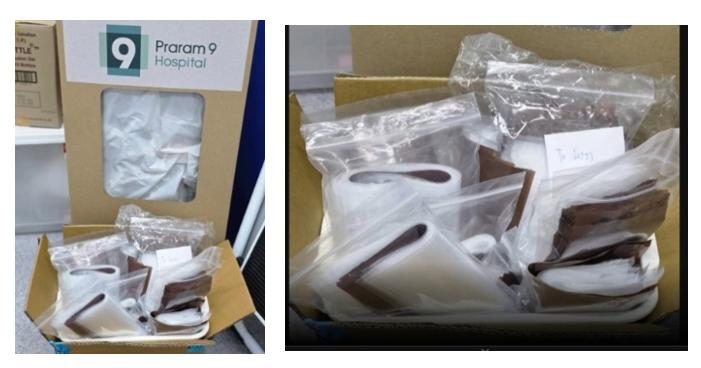
In 2025, the Company continued to implement environmental initiatives under the concept of efficient resource utilization and reducing environmental impacts. One such initiative is the Reusable Medicine Bag Project, which encourages the reuse of existing medicine bags to avoid the use of new bags and reduce packaging waste.
The Company encourages service recipients to decline receiving a medicine bag when it is not necessary and provides an opportunity for customers to donate unused medicine bags so that they can be reused in social and environmental activities. This initiative has contributed to reducing the use of plastic bags.
In addition, the Company has expanded the project by changing the packaging format for medicines that require cold temperature control, replacing foam boxes with temperature-controlled medicine bags. This change has resulted in a 100 percent reduction in the use of foam boxes, helping to reduce non-biodegradable waste and minimize long-term environmental impacts.
Performance Result
100 percent reduction in the use of foam boxes
Reduction of 10,006 small medicine bags
Reduction of 1,866 large medicine bags
This project reflects the Company’s commitment to conducting business responsibly toward society and the environment, while supporting sustainable development practices and encouraging service recipients to participate in reducing environmental impacts in a tangible manner.


Reusable Zip Lock Bag Project
The Company has applied the concept of efficient resource utilization and waste reduction in accordance with the 1A3R principles (Reuse and Reduce) to the medication packaging process for inpatients (IPD). Under this initiative, outer Zip Lock bags used for medication packaging are appropriately reused under hygiene and safety standards.
Performance Result
Reduced the procurement of new Zip Lock bags by more than 3,731 kilograms per year
Reduced expenses by more than 400,000 Baht per year
Reduced plastic waste and environmental impacts in a tangible manner
This project reflects the Company’s commitment to improving resource efficiency while managing costs responsibly and supporting sustainable business operations in the long term.
“Used Blister Packs Have Value – Don’t Throw Them Away” Project
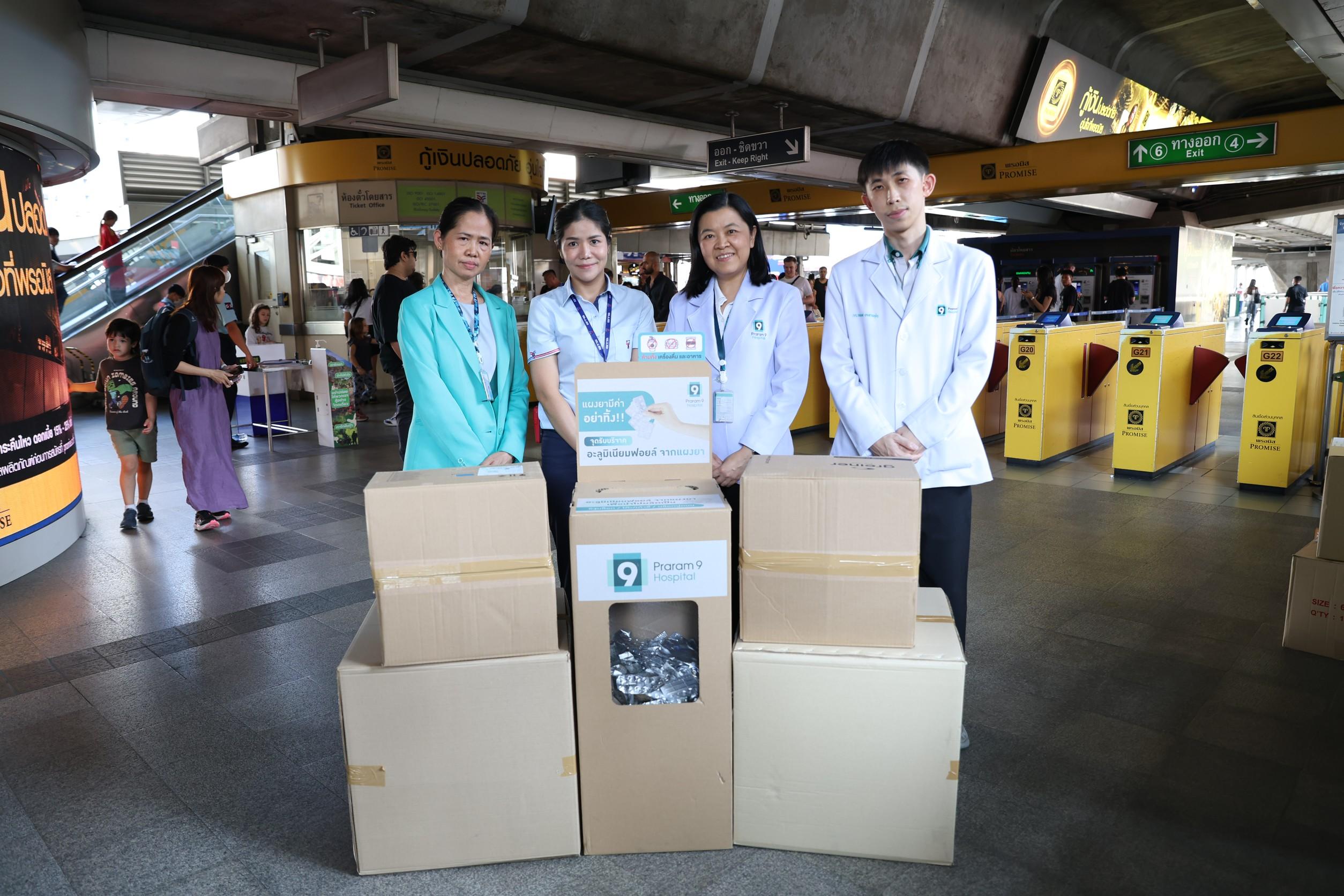
The Company, in collaboration with Bangkok Mass Transit System Public Company Limited (BTS), has implemented the “Used Blister Packs Have Value – Don’t Throw Them Away” project. Previously, used medicine blister packs from the hospital were disposed of together with general waste. This project was therefore initiated to help reduce plastic waste, mitigate environmental impacts in a tangible manner, and create added value from used materials. The collected blister packs are sent for recycling and further processed into useful products for communities, such as concrete blocks, benches, and paving blocks. The project was initiated during the year.
Performance Result (Jul-Dec 2025)
Reduced 52 kilograms of general waste generated from used blister packs
Reduced plastic waste and environmental impacts in a tangible manner
This project reflects the Company’s commitment to improving resource efficiency while managing costs responsibly and supporting sustainable business operations in the long term.


Other Ongoing Initiatives
The Company has continuously implemented projects to reduce resource consumption, particularly waste management. These initiatives have been carried out continuously for 2–3 years and remain ongoing. The projects include initiatives that directly reduce resource use, promote reuse, encourage proper waste segregation, and involve collaboration with business partners and large corporations to reduce environmental impacts.
Plastic Bag Upcycling for Reuse as Garbage Bags Project
The Company has collaborated with Siam Cement Public Company Limited (SCG) to manage used plastics generated within the hospital under the Circular Economy concept through a Closed Loop Program, with the objective of promoting efficient resource utilization, reducing waste generation, and minimizing environmental impacts. This initiative aligns with the United Nations Sustainable Development Goals (SDGs), particularly SDG 12: Responsible Consumption and Production, under which the Company promotes proper waste segregation and ensures that used plastics are systematically returned to recycling and upcycling processes. In 2025, a total of 4,479 kilograms of used dialysis gallons were sent to the upcycling process, helping reduce the amount of waste requiring disposal and increasing the value of resources through reuse. The initiative also supports SDG 13: Climate Action, as reducing plastic waste and reusing materials helps decrease the demand for new resources and reduce greenhouse gas emissions throughout the production value chain. This enables the Company to contribute to climate change mitigation and support carbon dioxide emission reduction goals. These initiatives reflect the Company’s commitment to conducting business alongside environmental responsibility and supporting sustainable development in the long term.
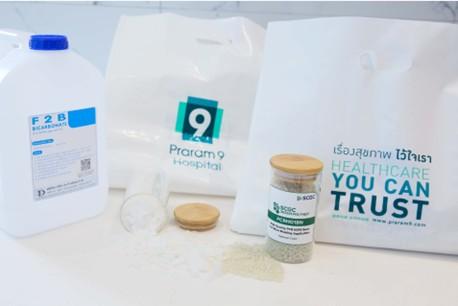
E-Waste Management Project
Praram 9 Hospital has continuously operated an electronic waste (E-Waste) collection point since 2024 to the present. The initiative is carried out in collaboration with Advanced Info Service Public Company Limited (AIS) to promote environmental awareness through the “Dispose of E-Waste Properly” campaign. The project invites employees, staff, patients, and visitors to bring electronic waste, such as mobile phones, tablets, accessories, computer components, and other electronic devices, to designated collection points prepared by the hospital. The collected items are then sent to proper management and recycling processes in accordance with relevant standards. This initiative aims to reduce the amount of electronic waste that may cause environmental pollution and to mitigate risks from hazardous substances such as mercury, lead, and other heavy metals, which may contaminate soil and water sources and pose risks to public health. In particular, lead exposure may cause toxicity affecting the nervous system, circulatory system, and kidney function. The implementation of this project not only helps reduce the volume of E-Waste in Thailand but also reflects the Company’s commitment to responsible waste management and long-term environmental sustainability.
Objective
To reduce the volume of hazardous waste in the form of electronic waste (E-waste) compared with the base year 2024.
To promote and encourage personnel to properly dispose of E-waste and participate in environmental conservation.
Targets and Performance
In 2024, a total of 569 pieces of E-waste were collected, with a combined weight of 487 kilograms. In 2025, the amount of E-waste decreased to 156 pieces, with a total weight of 77.90 kilograms. Compared with the base year, the results show that:
The number of items decreased by approximately 72.58 percent.
The total weight decreased by approximately 83.99 percent.
In addition, the collected 156 pieces of E-waste (77.90 kilograms) were also used to support social initiatives by being converted into 77.90 GB of internet data, which was provided to children and youth in remote areas through a program.
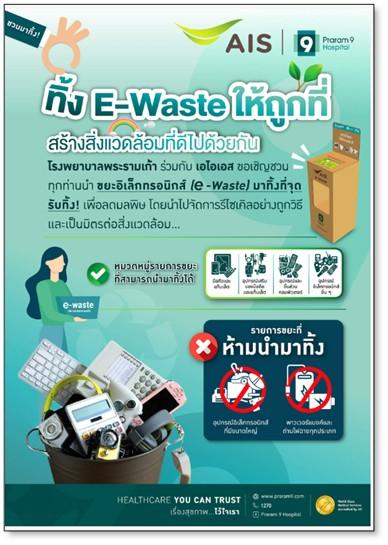
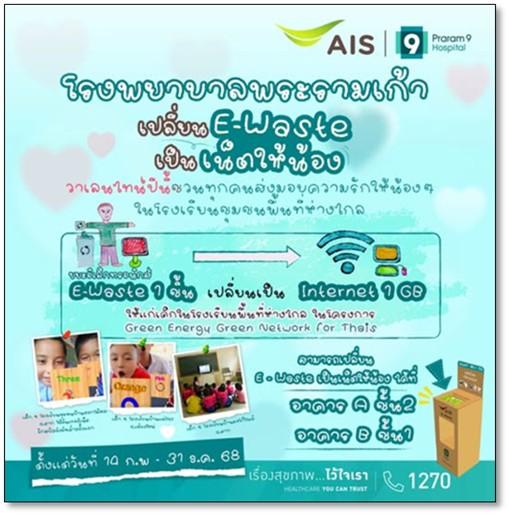
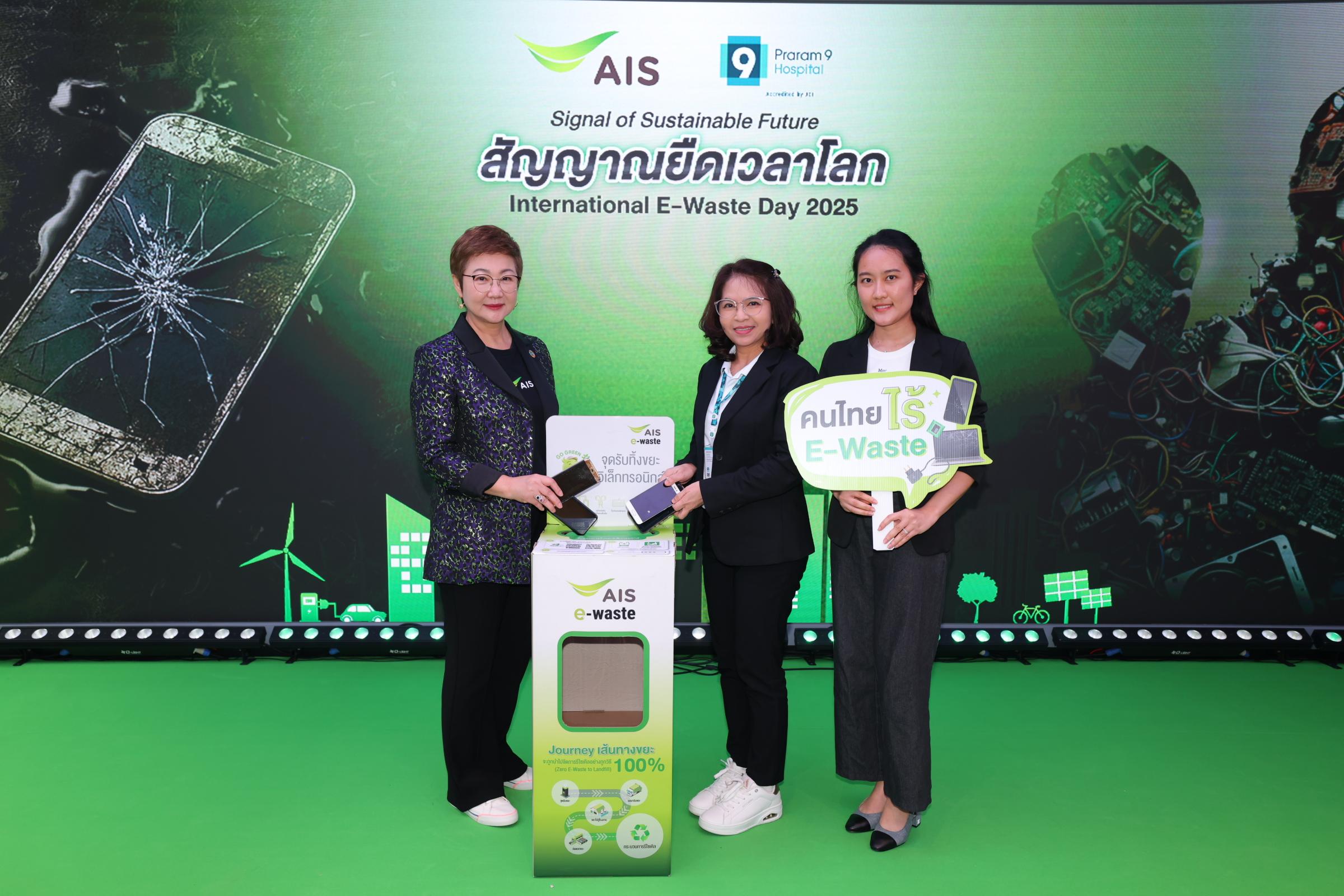
Plastic Bag Reduction Project
The Company has continuously implemented campaigns to reduce, avoid, and phase out the use of plastic bags. As part of this initiative, plastic bags originally used for linen packaging are reused for collecting recyclable waste, instead of requesting new plastic bags. This approach promotes responsible resource utilization and maximizes the value of existing materials.
Performance Result
Reduced the use of new plastic bags by an average of 140 bags per day, or approximately 51,100 bags per year.
Reduced costs by approximately Baht 175,000 per year.
This initiative reflects the Company’s commitment to efficient resource management under the Reduce and Reuse principles, while conducting business with responsibility toward society and the environment in pursuit of long-term sustainability.
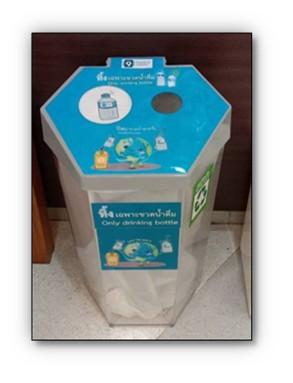
Care the Bear Project
The Company participates in the Care the Bear project in collaboration with the Stock Exchange of Thailand to promote greenhouse gas emission reduction through a monitoring system that measures emissions generated from various activities within the organization. The initiative aims to encourage more efficient consumption behaviors in line with the Circular Economy approach. This project aligns with the Company’s climate change management and waste management policies. It also enhances employee learning and engagement within the organization, helping raise environmental awareness and encouraging sustainable behaviors in daily operations. In addition, internal competitions are organized to encourage all departments to contribute creative ideas for reducing paper consumption and greenhouse gas emissions. The initiative is supported by the Company’s management through the provision of incentive rewards for participating teams.
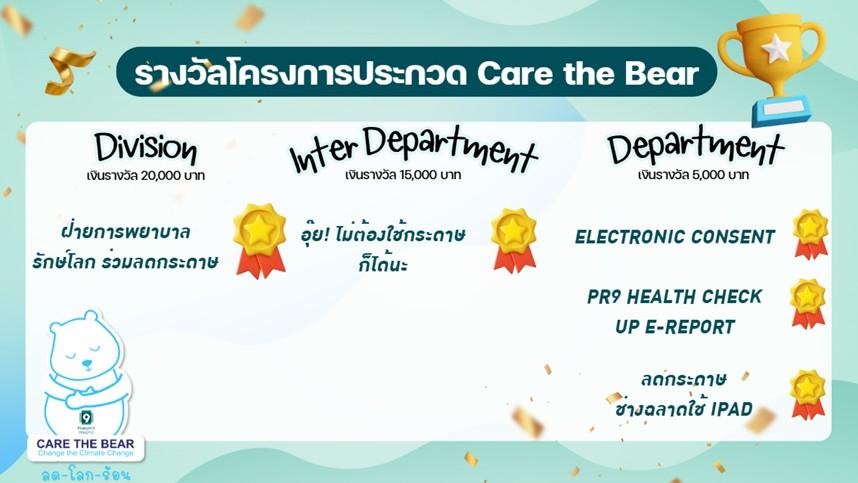
PR9 GO GREEN Project
In late 2025, the Company initiated the PR9 GO GREEN Project, providing an opportunity for all departments to participate. Each department will develop activities and present them to management in 2026.
Objective
Promote personnel participation: To raise environmental awareness among employees at all levels through campaigns and training activities, enabling personnel to be part of driving the organization toward sustainability.
Reduce resource consumption within the organization:Implement energy-saving measures, promote efficient water use, and reduce the use of consumable resources such as paper and plastic in order to reduce operating costs and environmental impacts.
Promote proper waste segregation and waste management: Encourage waste segregation at the source according to the 1A3R principle (Avoid, Reduce, Reuse, Recycle) in order to increase recyclable waste and reduce waste sent to landfill.
Support the use of clean and renewable energy: Promote the use of renewable energy such as solar rooftop systems to reduce reliance on fossil fuels and reduce greenhouse gas emissions.
Create a Green Culture within the organization: Encourage environmentally friendly behaviors to become part of the daily routine of all personnel.
Support the organization’s Net Zero goal: Drive operations in alignment with short-, medium-, and long-term goals to reduce greenhouse gas emissions and achieve Net Zero by 2050.
Care the Whale Project
The Company participates in the Care the Whale project under the concept of “Invisible Waste,” which focuses on reducing greenhouse gas emissions through effective waste management. The key objective of the project is to reduce and eliminate waste generation at the source while promoting the efficient use of resources. The project applies the Circular Economy concept in waste management to address waste issues that contribute to global warming, while also encouraging responsible and efficient resource utilization for long-term sustainability.
The Company has implemented waste management development initiatives through campaigns and awareness activities that promote proper waste segregation by category. These initiatives focus on enhancing knowledge and fostering environmental awareness among employees, while also creating motivation for waste segregation before disposal in order to strengthen understanding and promote sustainable waste management practices in the long term.
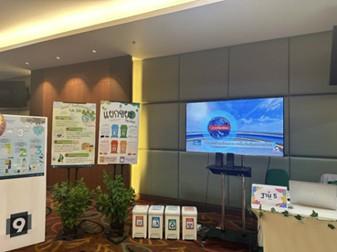
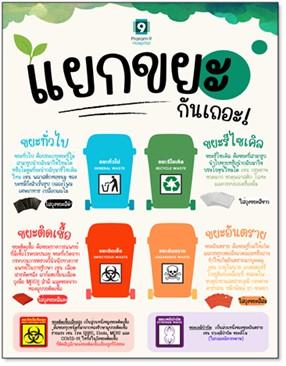
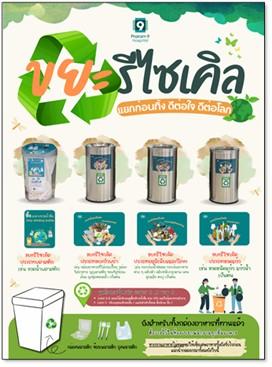
In addition, the Company promotes the concept of efficient resource utilization by providing birthday gifts to all employees in the form of the “Cat9” mascot keychain, which represents the Company under the Cat Couture concept. The keychain is produced from recycled materials made from plastic fibers derived from used drinking water bottles, reflecting the reuse of materials through recycling and environmentally friendly product design.
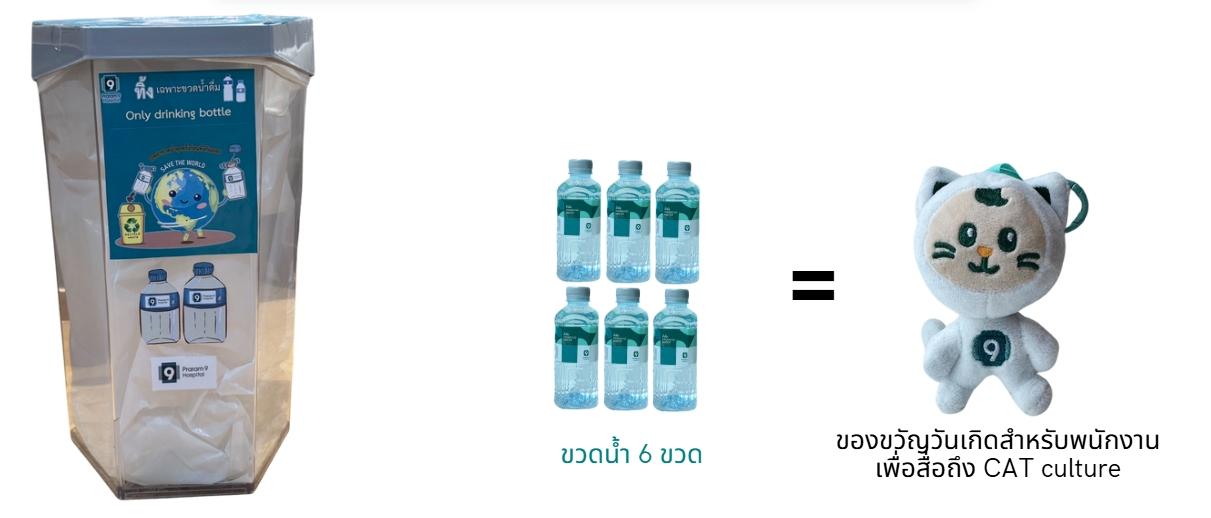
The participation in the Care the Whale project reflects the Company’s commitment to reducing environmental impacts, lowering greenhouse gas emissions, and promoting business operations in line with sustainable development principles.
Waste Management Performance
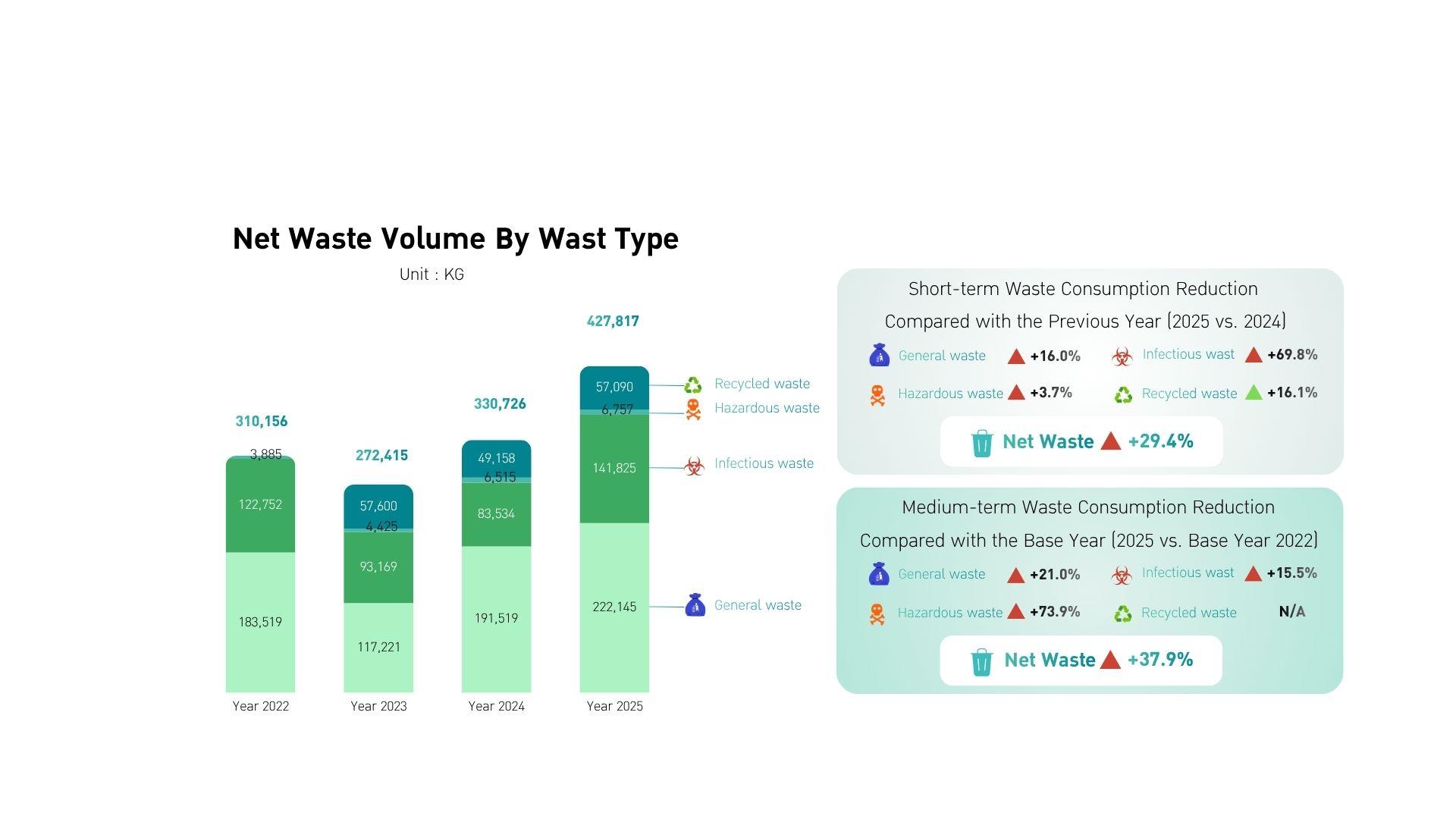
Remark : Waste volume data for Building A, Building B, and the Office Building
Waste volume by type
Item (Unit : Kilogram) | Year 2022 (Baseline Year) | Year 2023 | Year 2024 | Year 2025 |
Net waste volume | 310,156 | 272,415 | 330,726 | 427,969 |
Waste sent to landfill | ||||
General waste | 183,519 | 117,221 | 191,519 | 222,145 |
Infectious waste | 0 | 0 | 0 | 0 |
Hazardous waste | 0 | 0 | 0 | 0 |
Recyclable waste | 0 | 0 | 0 | 0 |
Net waste sent to landfill | 183,519 | 117,221 | 191,519 | 222,145 |
Waste not sent to landfill | ||||
General waste | 0 | 0 | 0 | 0 |
Infectious waste | 122,752 | 93,169 | 83,534 | 141,825 |
Hazardous waste | 3,885 | 4,425 | 6,515 | 6,757 |
Recyclable waste | 0 | 57,600 | 49,158 | 57,242 |
Net waste not sent to landfill | 126,637 | 155,194 | 139,207 | 205,824 |
The net waste volume increased by 37.9 percent compared with the base year, in line with business expansion and the growing number of patients. In particular, infectious waste increased in accordance with the higher number of inpatient (IPD) cases. Nevertheless, the Company was able to increase recycled waste to 57,242 kilograms in 2025, driven by several waste management initiatives that have helped reduce environmental impacts in a tangible manner.
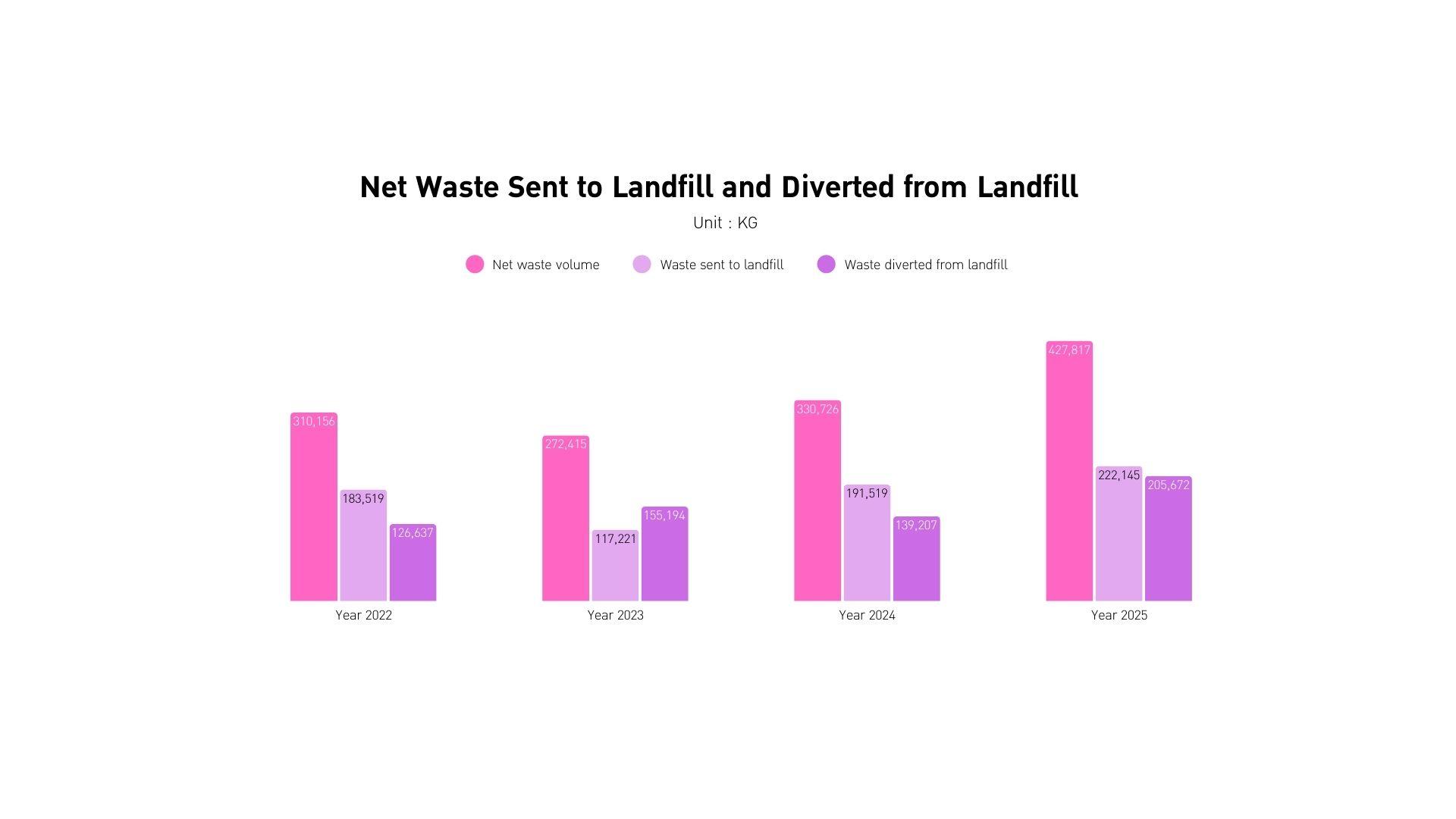
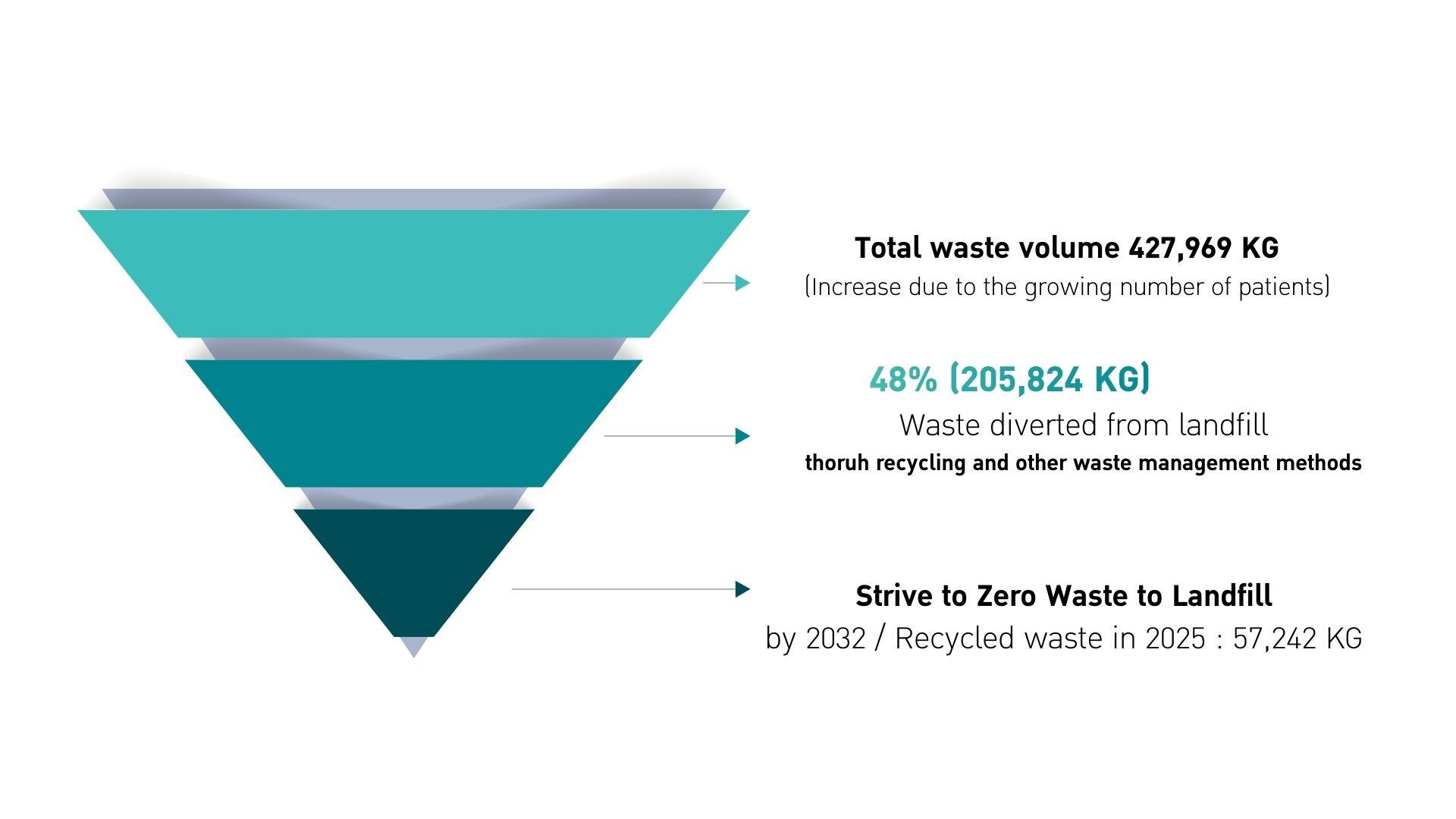
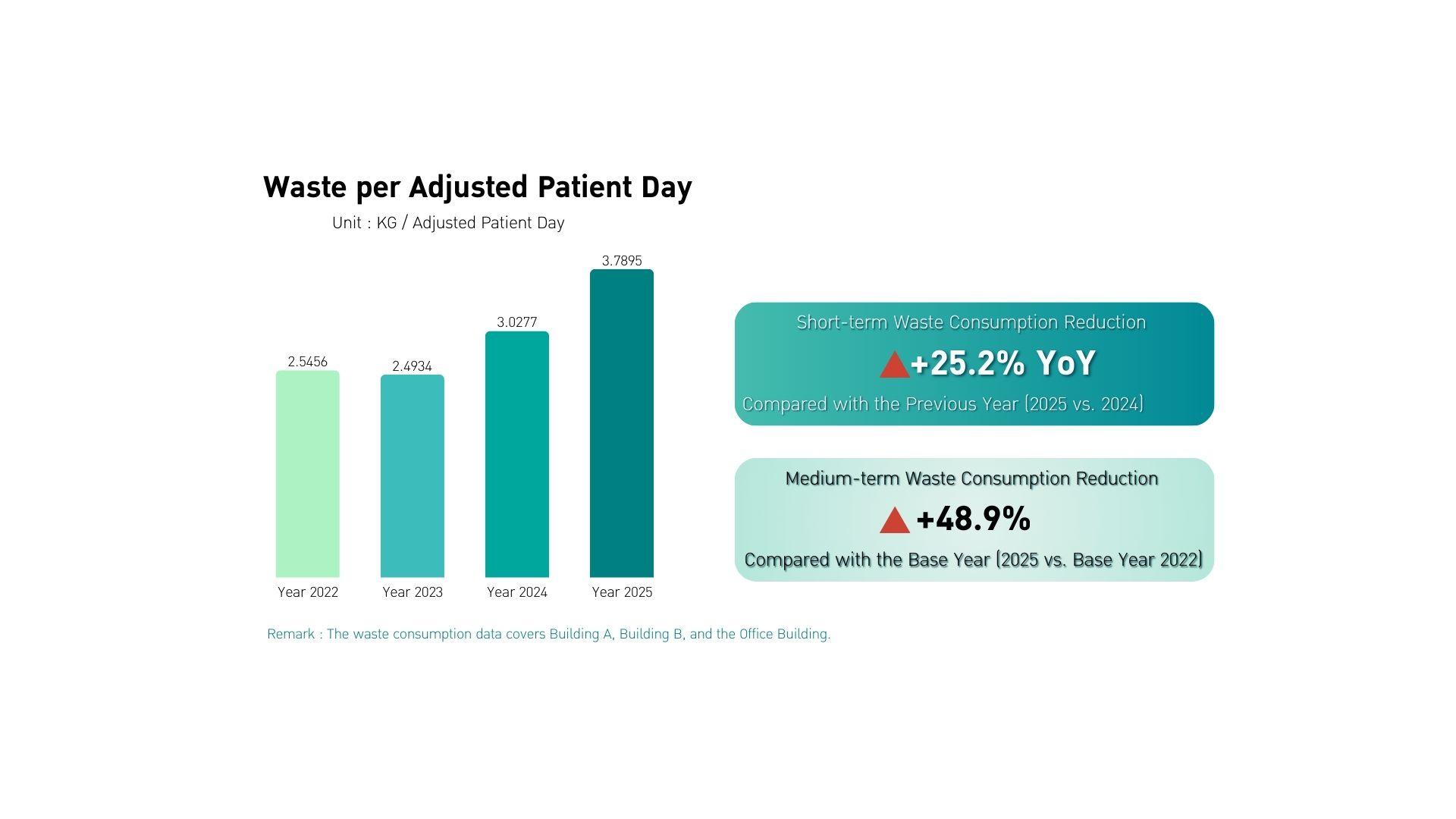
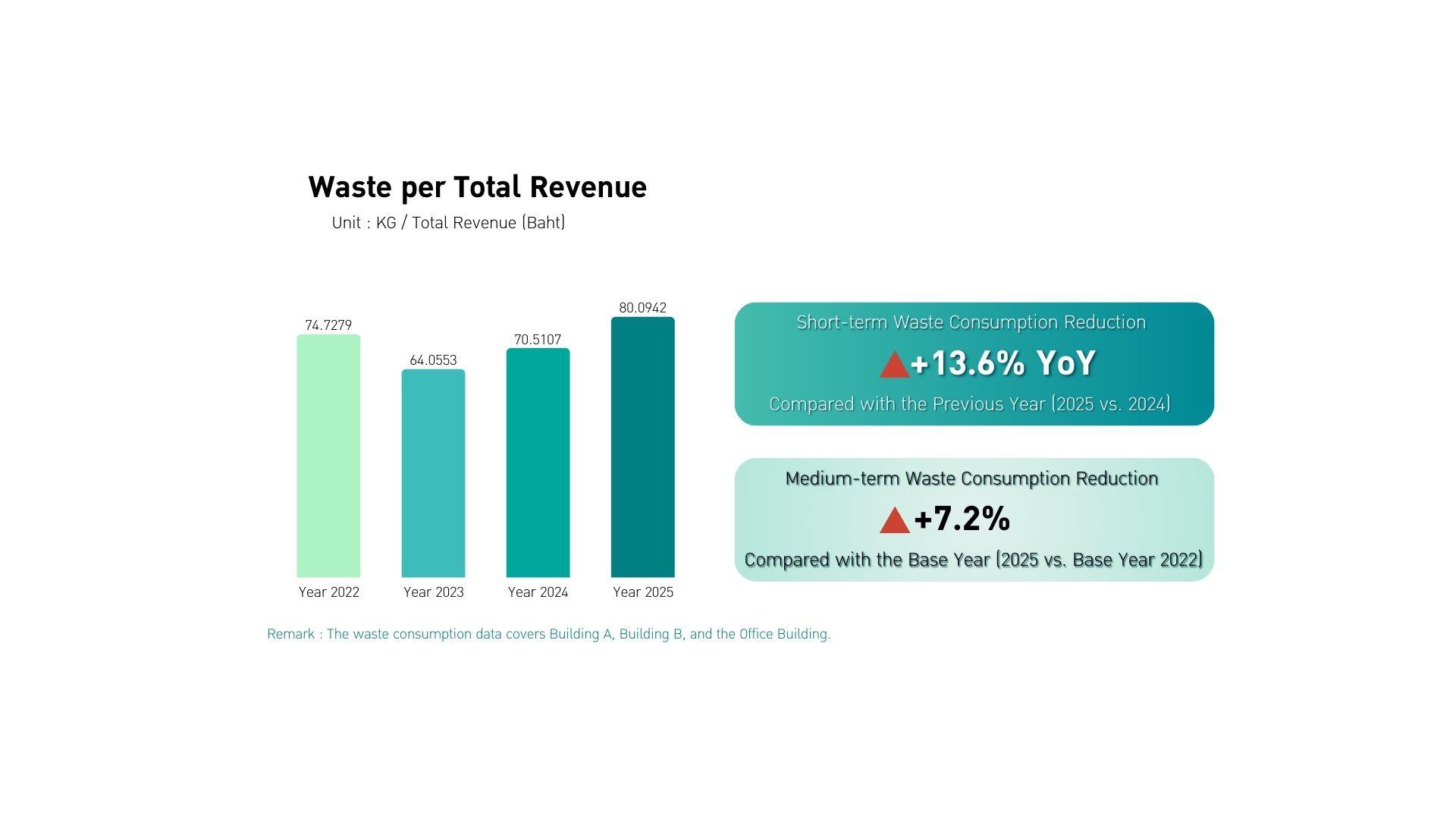
In 2025, compared with 2024, the total waste volume increased by 29.4 percent, waste intensity per total patient day increased by 25.2 percent, and waste intensity per total revenue increased by 13.6 percent.In 2025, compared with the base year 2022, the total waste volume increased by 37.9 percent, waste intensity per total patient day increased by 48.9 percent, and waste intensity per total revenue increased by 7.2 percent. The Company implements systematic waste management to reduce negative environmental impacts, reduce waste generation and greenhouse gas emissions, while promoting sustainable business operations alongside social and environmental responsibility
Waste disposal process by waste type
General waste: Managed by the Waste and Sewage Management Office and transported to the landfill in Prawet District.
Recyclable waste: Sent to Chaiyacharn Plastic and Recycle Co., Ltd.
Infectious waste: Collected and treated by Krungthep Thanakom Co., Ltd. using temperature-controlled four-wheel trucks and disposed of according to infectious waste treatment standards and procedures.
Hazardous waste: Collected and treated by Akkhi Prakan Co., Ltd. using four-wheel trucks and disposed of according to hazardous waste treatment standards and procedures.
Waste development and management approaches
Increase the value of waste through recycling.
Enhance waste management toward Zero Waste to Landfill.
Promote waste management based on the 1A3R concept: Avoid, Reduce, Reuse, and Recycle.
Waste development and management approaches
The Company has established a waste management strategy as an important mechanism to enhance operational efficiency and support sustainable development under the ESG framework. The Company aims to achieve “Zero Waste to Landfill” while increasing the value of waste in line with the Circular Economy concept under the 1A3R framework (Avoid, Reduce, Reuse, Recycle).
Key strategies include:
End-to-End Waste Management covering waste control at the source, effective segregation, standardized collection and transportation, and proper utilization or disposal in accordance with environmental principles.
Continuous monitoring and analysis of waste management data (Data-Driven Management) to support decision-making and improve operational efficiency.
Increasing the proportion of recycling and waste utilization to reduce the amount of waste requiring disposal and reduce waste management costs.
Linking waste management with the reduction of the organization’s carbon footprint to support environmental targets under the ESG framework.
These actions are expected to help reduce waste management costs in the long term, improve resource efficiency, strengthen the Company’s green corporate image, and create strategic advantages as an organization operating in line with sustainable business principles.
Engagement & Awareness
The Company promotes the participation of employees and all stakeholders in environmental stewardship through various activities and projects on a continuous basis.
Activities | Description | Performance |
Old Desk Calendar Donation Project | The Company collected used desk calendars from employees for donation to the Thailand Association of the Blind, where they are repurposed into Braille learning materials for visually impaired students. This initiative helps reduce waste, promotes the efficient reuse of materials, and enhances the Company’s corporate image as a contributor to social good. | Promotes efficient resource utilization and creates educational opportunities for visually impaired individuals. |
Environmental Training | Training sessions are provided for employees at all levels on waste segregation, energy conservation, and water conservation. | Conducted continuously every year |
Plastic Reduction Campaign | The Company promotes the use of lunch boxes, personal cups, and cloth bags in the food center and other areas of the hospital. Personnel are encouraged to use the lunch boxes and cups provided by the Company instead of foam or plastic food containers. This supports the Company’s development approach and promotes waste management based on the 1A3R concept: Avoid, Reduce, Reuse, and Recycle, which helps reduce waste and supports long-term environmental conservation. | Employee participation has continued to increase |
Based on the above performance, in 2025 the Company had no environmental disputes or complaints related to its business operations. The Company is committed to developing the organization toward becoming a “Green Hospital”, with a target to achieve Net Zero by 2050 in alignment with international approaches and standards. Despite pressure from business expansion, the Company has been able to maintain a continuous trend of reducing greenhouse gas emission intensity per revenue (Carbon Intensity per Revenue), reflecting operational efficiency and efficient resource utilization. Going forward, the Company will continue to drive its sustainability strategy under the four key pillars, while expanding collaboration with business partners and stakeholders across all sectors to create a balance between business growth and long-term environmental responsibility.
GHG — Plan & Guidelines
Has a GHG Management Plan
Yes
Plan Description
Greenhouse Gas and Environmental Management Guidelines
The company recognizes the role of healthcare facilities in addressing the climate crisis, in line with the resolutions of COP28 and the Paris Agreement, which aim to limit global temperature increase to no more than 1.5 degrees Celsius. Therefore, the company is committed to developing into a "Green Hospital" with 6 aspects of greenhouse gas and environmental management guidelines, as follows:
-
Environmental Impact Assessment and Risk Management. Analyzing and controlling risks from the company's operations that may affect the environment and surrounding communities, including preparing for natural disasters caused by climate change, to continuously maintain patient care safety standards.
-
Environmental-friendly process and operational management, focusing on managing wastewater treatment systems to high standards and managing various types of waste, especially "infectious waste management" in a sanitary manner, to prevent the spread of pathogens and reduce impacts on the ecosystem.
-
Efficient energy consumption. As hospital businesses require 24-hour energy use, the company focuses on installing energy-saving technologies such as high-efficiency air conditioning systems (Chiller plant), switching to LED lighting throughout the building, and considering the use of clean energy such as Solar Rooftop to reduce greenhouse gas emissions from electricity consumption.
-
Promotion of circular economy, managing resources according to circular economy principles by reducing the use of single-use plastics in food courts and pharmacies, as well as selecting suppliers who prioritize environmentally friendly products and services.
-
Awareness Building and Participation. Promoting a green organizational culture, instilling in personnel at all levels an awareness of proper waste segregation and efficient use of water and paper resources, to foster participation in reducing the organization's carbon footprint.
-
Monitoring and Reporting. Preparing the organization's greenhouse gas inventory (Carbon Footprint for Organization) to systematically assess greenhouse gas emissions and transparently disclose information in annual reports, demonstrating a commitment to sustainable global responsibility.
GHG — Emissions
GHG Emissions
| Metric | Current Year | Previous Year | Two Years Ago |
|---|---|---|---|
| Total GHG emissions (Metric tonnes of carbon dioxide equivalent) | 12,889 | 12,240 | 11,537 |
| Total greenhouse gas emissions 1 (Metric tonnes of carbon dioxide equivalent) | 604 | 484 | 439 |
| Total greenhouse gas emissions 2 (Metric tonnes of carbon dioxide equivalent) | 6,213 | 6,363 | 6,182 |
| Total greenhouse gas emissions 3 (Metric tonnes of carbon dioxide equivalent) | 6,072 | 5,393 | 4,916 |
GHG — Emissions Verification
Emissions Verified by a Third Party
Yes
Verifying Body
2646
Verification Document Link
https://eonemedia.setlink.set.or.th/report/1463/2025/1774062447519.pdf
GHG — Principles & Standards
Principles & Standards Applied
| Standard |
|---|
| 2671 |
GHG — Targets
Has Set GHG Targets
Yes
GHG Targets — Net Zero
Net Zero Targets
| Emission Scope | Base Year | Base Year Emissions | Near-term Target Year | Near-term Target Change (%) | Long-term Target Year | Long-term Target Change (%) | Target Year | Target Change (%) | Unit |
|---|---|---|---|---|---|---|---|---|---|
| 2715 | 2,022 | 6,351 | 2,023 | 0.5 | 2,065 | 100 | 2,023 | 0.5 | Metric tonnes of carbon dioxide equivalent |
GHG Targets — Carbon Neutrality
Carbon Neutrality Targets
| Emission Scope | Carbon Neutrality Certified | Base Year | Base Year Emissions | Target Year | Target Change (%) | Unit |
|---|---|---|---|---|---|---|
| 2715 | N | 2,022 | 6,351 | 2,050 | 50 | Metric tonnes of carbon dioxide equivalent |
GHG Targets — Other Targets
Other GHG Targets
| Emission Scope | Base Year | Base Year Emissions | Near-term Target Year | Near-term Target Change (%) | Long-term Target Year | Long-term Target Change (%) | Target Year | Target Change (%) | Unit |
|---|---|---|---|---|---|---|---|---|---|
| 2716 | 2,022 | 11,576 | 2,023 | 0.5 | 2,028 | 5 | 2,023 | 0.5 | Metric tonnes of carbon dioxide equivalent |
| 2715 | 2,022 | 6,351 | 2,023 | 0.5 | 2,028 | 5 | 2,023 | 0.5 | Metric tonnes of carbon dioxide equivalent |
GHG — Performance & Outcomes
Has Performance Results
Yes
Performance Description
Performance in reducing greenhouse gas emissions
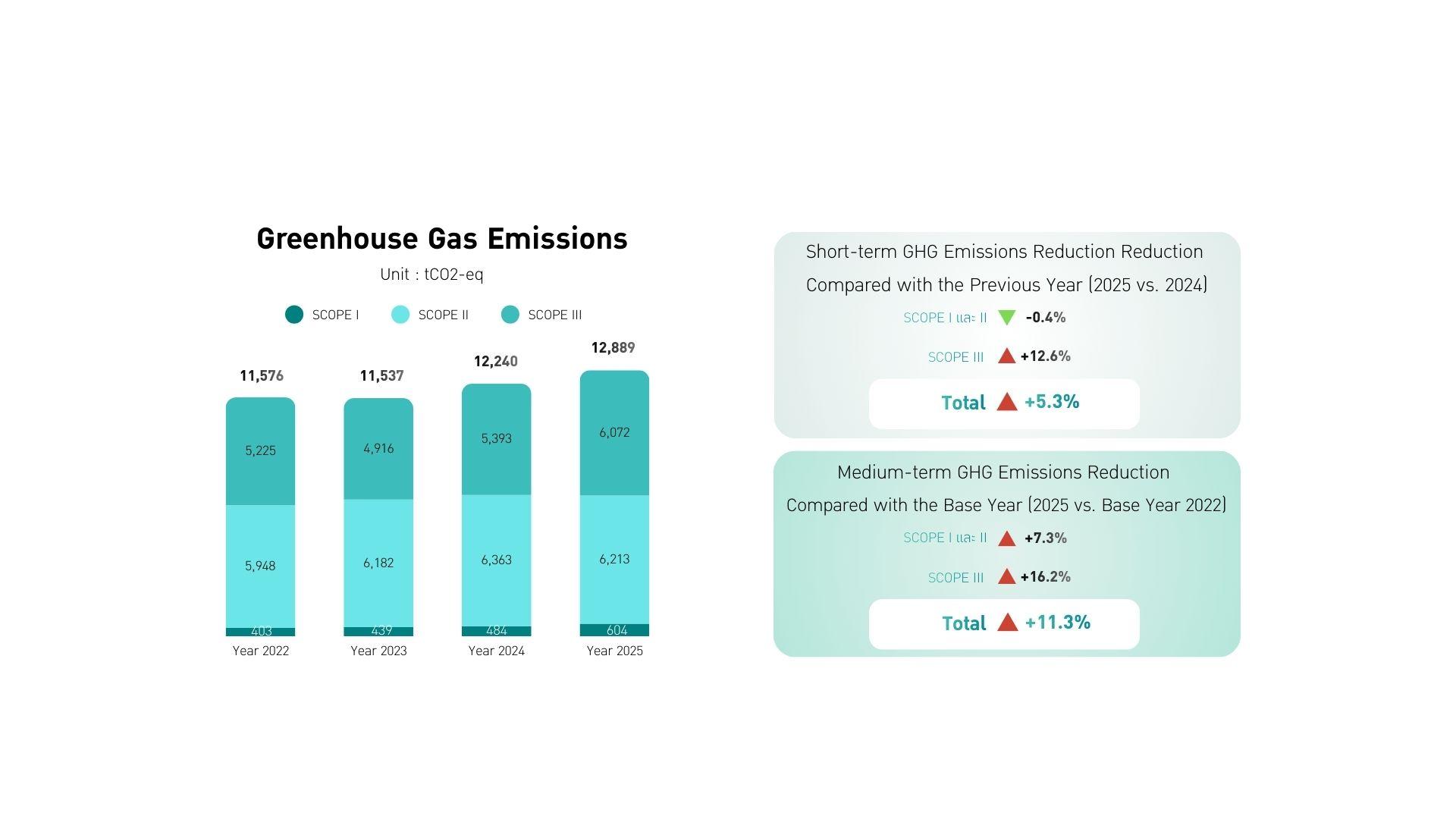
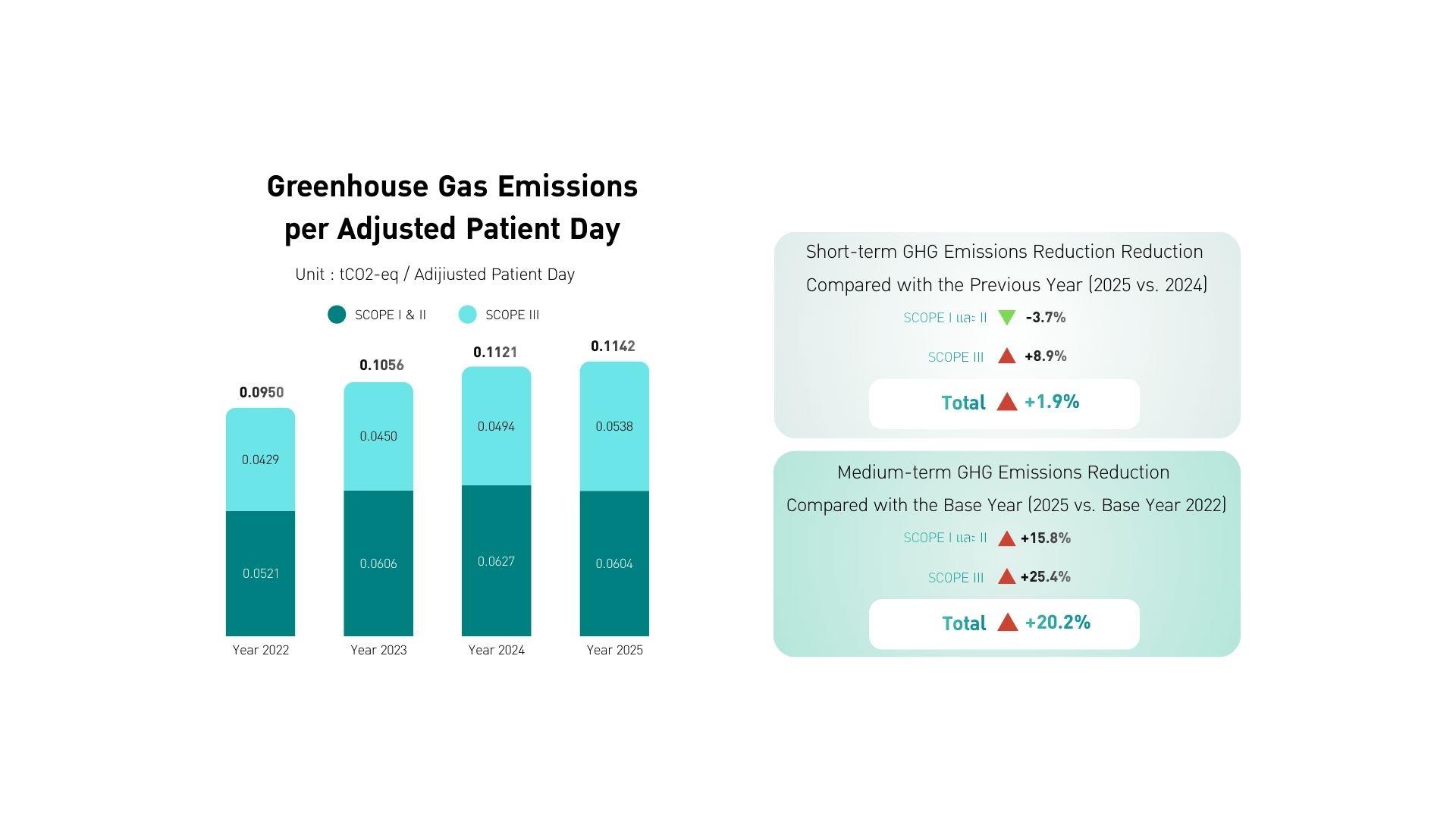
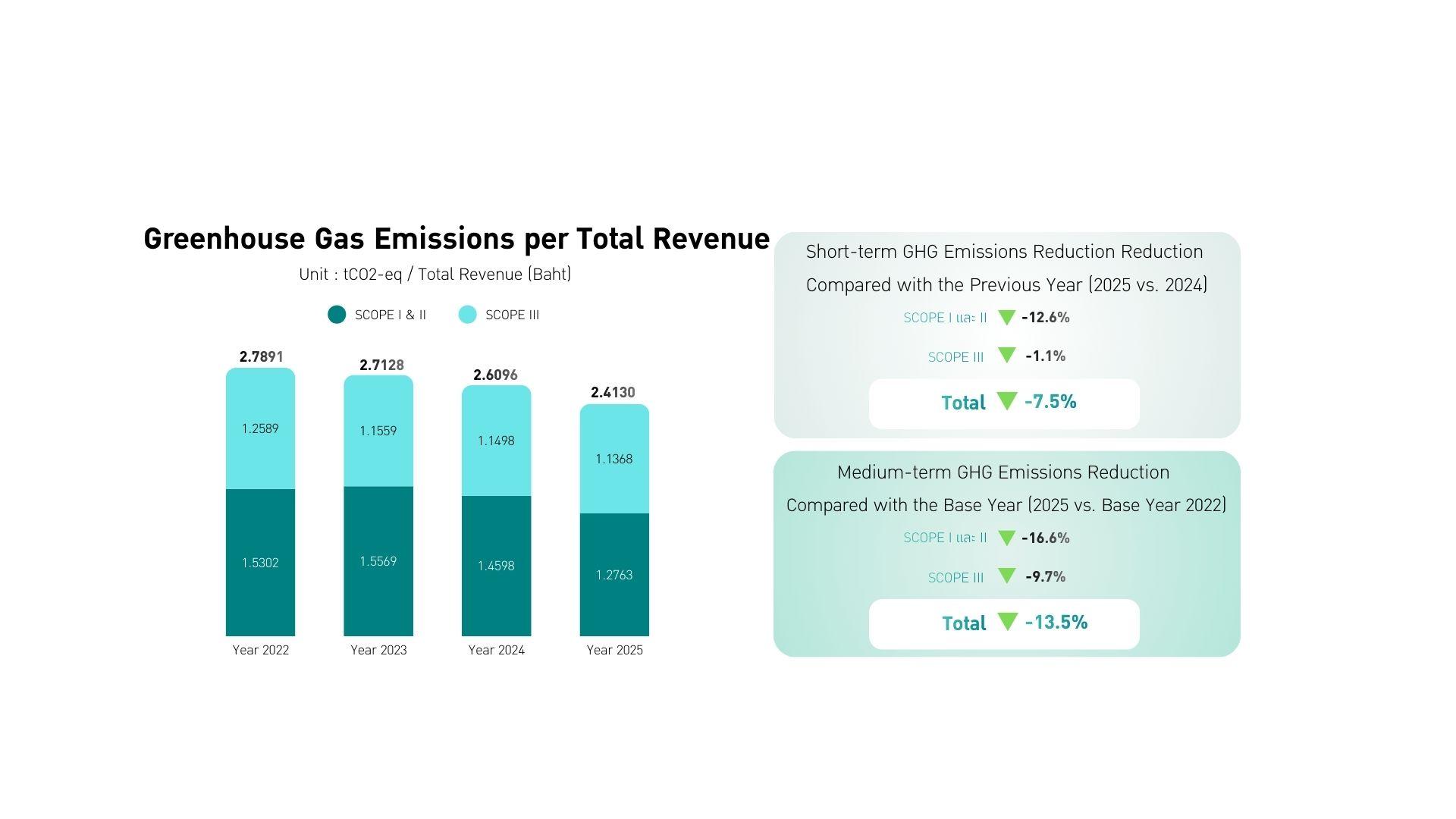
In measuring greenhouse gas (GHG) emissions, the Company has designated 2022 as the base year for the calculation and disclosure of GHG emissions, covering three operational buildings: Building A, Building B, and the Office Building. Emissions are calculated using three approaches: Absolute Emissions, GHG emissions per patient day based on the Economic Intensity Approach, and, newly introduced this year, GHG emissions per total revenue as an additional disclosure metric to further align with international standards such as the Global Reporting Initiative (GRI). The Company’s GHG emissions calculations have been verified by the Thailand Greenhouse Gas Management Organization (Public Organization) for the fourth consecutive year (since 2022). The Company has established both short- and long-term targets through climate change strategies aligned with the Task Force on Climate-related Financial Disclosures (TCFD), integrating the results of climate-related risk and opportunity assessments into governance, strategic planning, and climate action plans to enable timely adaptation and support long-term sustainability.
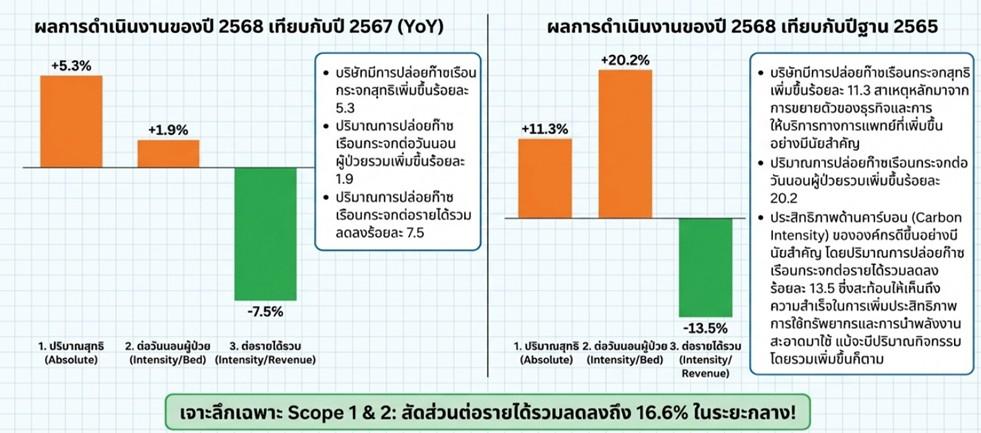
Carbon Intensity per Patient Bed Day
The indicator of greenhouse gas (GHG) emissions per patient bed day reflects the energy intensity directly associated with the provision of medical services. This includes hospital operations such as air-conditioning systems, air quality control systems, medical equipment, operating rooms, intensive care units (ICU), and other medical support systems.
Performance in 2025
In 2025, GHG emissions per patient bed day increased by 1.9 percent compared with 2024 and by 20.2 percent compared with the 2022 base year. The increase was primarily attributable to the hospital’s continued development and enhancement of medical capabilities to support more complex treatments, including:
the use of advanced medical technologies
the expansion of specialized medical services
the implementation of high-standard environmental control systems within hospital facilities
These factors have resulted in higher energy consumption per service unit, which is typical for hospitals undergoing continuous advancement in medical capabilities. Nevertheless, the increase in this indicator reflects improvements in the quality of medical treatment and healthcare services rather than inefficient resource utilization.
Carbon Intensity per Revenue
Performance in 2025 shows that GHG emissions per total revenue decreased significantly, declining by 7.5 percent compared with 2024 and 13.5 percent compared with the 2022 base year. This indicates that the organization was able to generate revenue at a rate higher than the increase in greenhouse gas emissions.
This trend reflects
improved energy and resource efficiency
the adoption of medical technologies and innovations to enhance operational processes
the development of high-value healthcare services
The results demonstrate the organization’s success in improving operational efficiency and signal a positive trend toward decoupling, where economic growth is increasingly separated from resource consumption and greenhouse gas emissions. This is considered one of the key indicators for assessing environmental performance under international standards.
The Company’s Greenhouse Gas Emissions Structure
In 2025, the company’s greenhouse gas emissions were categorized as follows:
Scope 1 (Direct emissions from organizational activities): 604 tCO2e
Scope 2 (Indirect emissions from purchased electricity): 6,213 tCO2e
Scope 3 (Other indirect emissions across the value chain): 6,072 tCO2e
Total organizational greenhouse gas emissions: approximately 12,889 tCO2e
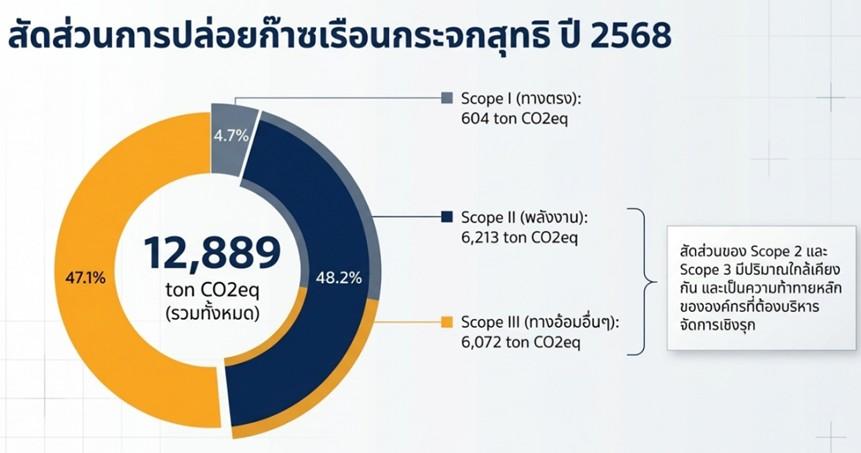
This emissions structure reflects the nature of hospital operations, which require a high level of electricity consumption to support medical systems and building infrastructure on a 24-hour basis. The Company therefore places strong emphasis on improving energy efficiency, adopting energy-efficient medical technologies, and continuously implementing measures to reduce greenhouse gas emissions.
Scope 3 Greenhouse Gas Emissions by Category (tCO2-eq)
Category | Year 2022 (Base Year) | Year 2023 | Year 2024 | Year 2025 | |
1. | Purchase of goods and services | 1,035.42 | 1,030.91 | 1,036.05 | 1,090.76 |
2. | Capital goods | Not significant | Not significant | Not significant | Not significant |
3. | Fuel and energy-related activities | 1,197.33 | 1,243.89 | 1,284.00 | 1,089.75 |
4. | Upstream transportation and distribution | Not significant | Not significant | Not significant | Not significant |
5. | Waste generated from operations | 717.43 | 272.79 | 643.58 | 623.33 |
6. | Business travel | Not significant | Not significant | Not significant | Not significant |
7. | Employee commuting | Not significant | Not significant | Not significant | Not significant |
8. | Upstream leased assets | Not significant | Not significant | Not significant | Not significant |
9. | Downstream transportation and distribution | 2,261.94 | 2,325.94 | 2,417.73 | 3,256.93 |
10. | Processing of sold products | Not applicable | Not applicable | Not applicable | Not applicable |
11. | Use of sold products | Not significant | Not significant | Not significant | Not significant |
12. | End-of-life treatment of sold products | 12.13 | 42.23 | 10.87 | 10.62 |
13. | Downstream leased assets | Not significant | Not significant | Not significant | Not significant |
14. | Franchises | Not applicable | Not applicable | Not applicable | Not applicable |
15. | Investments | Not significant | Not significant | Not significant | Not significant |
Remark : The Company conducted a materiality assessment and determined that the items indicated as “Not Material” in the table fall outside the scope of core operational
activities or represent an insignificant proportion of the Company’s overall business impact. The reporting boundary is reviewed annually to ensure that the disclosed information
accurately reflects international standards and the Company’s evolving operational context.
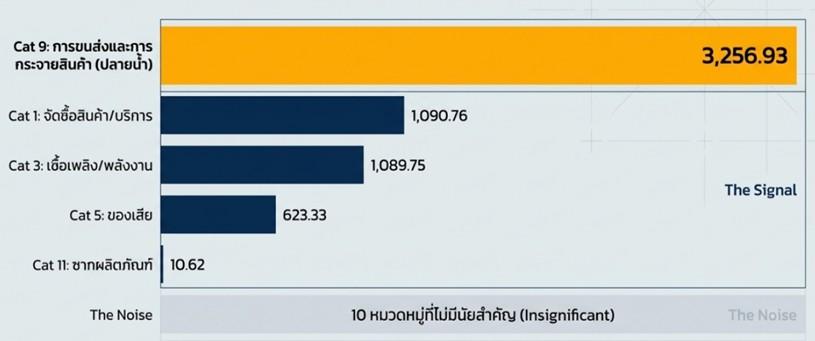
The Company recognizes the challenge posed by the increase in Scope 3 greenhouse gas emissions, particularly in the category of Downstream Transportation and Distribution (Category 9), which increased by 44.0 percent in 2025 compared with the base year.
The increase was primarily driven by the expansion of the hospital’s medical services, resulting in higher volumes of transportation of pharmaceuticals, medical equipment, and healthcare products to end patients. In addition, the increase in the number of international patients has contributed to greater logistics and transportation activities in line with business growth. To address this challenge, the Company plans to initiate a Low-Carbon Supply Chain project in collaboration with its Tier-1 suppliers starting from 2026 onward. The project aims to establish joint approaches to reducing greenhouse gas emissions across the supply chain, as well as to promote Green Procurement practices. In terms of supplier management, the Company has established quantitative indicators under its Green Procurement Policy. In 2025, the Company set a target for Tier-1 suppliers to undergo ESG assessments in order to promote environmental, social, and governance standards across the supply chain. This approach reflects the Company’s commitment to expanding carbon management from internal operations to value chain decarbonization, which is a key pathway for reducing greenhouse gas emissions in line with
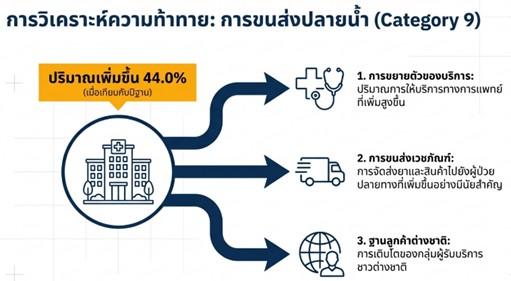
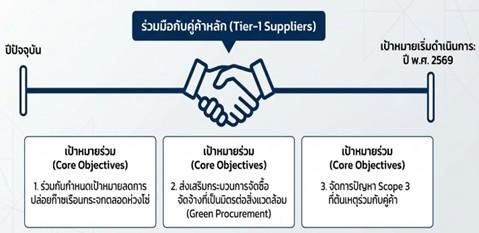
Air Pollutant Type (Unit: Kilograms) | Year 2022 | Year 2023 | Year 2024 | Year 2025 |
Nitrogen Oxides (NOx) | 250 | 300 | 275 | 825 |
Sulfur Oxides (SOx) | 0 | 0 | 0 | 0 |
Volatile Organic Compounds (VOCs) | 0 | 0 | 0 | 0 |
The Company conducted the assessment in accordance with the guidelines of the Thailand Greenhouse Gas Management Organization (TGO), and the data was verified by NPC Safety and Environmental Service Co., Ltd.
In addition, the Company has begun studying the implementation of Internal Carbon Pricing, set at Baht 450 per ton of carbon dioxide equivalent (tCO2e), as a tool to evaluate the economic feasibility of energy investments and greenhouse gas emissions reduction projects, as well as to support risk analysis under the TCFD framework. The reference price is based on the average trading price in Thailand’s voluntary carbon credit market (T-VER) in 2024, which has increased in response to growing private sector demand for achieving carbon neutrality targets. In 2024, the price range was Baht 400–600 per tCO2e. This mechanism will serve as one of the approaches for assessing the viability of investments in green technologies and preparing for potential future carbon tax policies.
The Company is also studying the procurement of carbon credits to offset greenhouse gas emissions that cannot currently be reduced through existing technologies (residual emissions). However, the Company continues to prioritize direct emissions reduction at the source as its primary approach.
Projects Supporting the Net Zero Goal
The Company and Siam Commercial Bank have announced an important collaboration to develop financial products that support businesses focused on sustainability. Praram 9 Hospital is the first private hospital to participate in the “Sustainability Deposit” program, which aligns with business practices that emphasize Environmental, Social, and Governance (ESG) principles. This collaboration is consistent with the Company’s sustainable business policy framework, which emphasizes social and environmental responsibility alongside the continuous enhancement of high-quality and efficient medical services. The Company remains committed to creating value for all stakeholders while playing an important role in driving positive change for society and the environment in the future.
Environmental Legal Incidents
Legal Violation Incidents
| Metric | Current Year | Previous Year | Two Years Ago |
|---|---|---|---|
| Number of cases or incidents of legal violations or negative environmental impact (cases) | 0 | 0 | 0 |
Other Environmental Management
Plan Description
Pollution Management
Currently, PM2.5 fine particulate matter remains a significant environmental issue affecting public health. The Company recognizes the importance of this issue and has therefore continuously implemented pollution reduction measures, including the development of various initiatives to improve indoor air quality. The Company has upgraded its ventilation system by installing Pre Air Units (PAU), which reduce humidity and filter dust particles before air enters the building. The system is equipped with high-efficiency air filters capable of effectively removing PM2.5 particulate matter, and the system is regularly maintained. In addition, when renovating existing areas or buildings, the Company places particular emphasis on design and preventive measures to control PM2.5 dust pollution, in order to create a safe environment for patients, personnel, and visitors.
Promotion of Sustainable Resource Utilization
The Company has established policies, targets, and measures for pollution reduction, while continuously monitoring performance to ensure effective environmental resource management. In addition, the Company promotes sustainable resource use by setting a short-term target to implement at least one clean energy or renewable energy project per year. These initiatives cover renewable energy use, reduction of resource consumption, and improvement of resource efficiency to maximize benefits. All projects are proposed to management for consideration and approval prior to implementation in order to enhance energy efficiency, reduce environmental impacts, and support the organization’s sustainable development.
Renewable Energy Projects
The Company has continuously installed solar power generation systems (Solar Cell), with installation capacity expanded each year to promote the use of clean energy and support environmental conservation. This initiative forms part of the Company’s approach to promoting sustainable resource use and is aligned with the Company’s pollution management policy, with the aim of reducing environmental impacts and strengthening long-term energy balance.
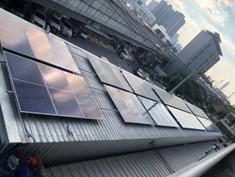
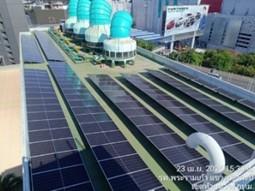
Installed Capacity of Solar Power Generation Systems (Solar Cell) within Hospital Buildings
Solar Cell (Unit: Kilowatt) | Year 2022 | Year 2023 | Year 2024 | Year 2025 |
Office Building (Office) | 0.80 | 9.00 | 34.80 | - |
Building A Parking Area | - | - | 14.60 | - |
Wastewater Treatment Pond | - | - | - | 20.74 |
Building C | - | - | - | 80 .00 |
Remark: The symbol “–” in the table indicates that the system had not yet been installed in that particular year.
Renewable Energy Consumption from Solar Power
In 2025, the Company utilized a total of 64,416.76 kilowatt-hours (kWh) of renewable energy generated from solar power systems. This increased from 13,792.70 kilowatt-hours (kWh) in 2024, representing an increase of 367 percent, and accounted for 0.49 percent of the hospital’s total electricity consumption. This reflects the Company’s commitment to increasing the share of clean energy and reducing reliance on fossil fuel-based energy within the hospital. The Company has therefore set a target to further expand the installation of renewable energy systems in order to increase the share of clean energy to more than 1 percent of total electricity consumption within the healthcare facility by 2028. This initiative is aligned with the Company’s Facility Management and Safety (FMS) plan to systematically reduce greenhouse gas emissions and strengthen energy sustainability in accordance with JCI standards, particularly in relation to environmental management within the constraints of installation space within the hospital. This approach forms part of the Company’s strategy for effective energy management and greenhouse gas emission reduction, which is aligned with the Company’s sustainable business development goals toward becoming a Low-Carbon Healthcare Organization and systematically reducing environmental impacts.

Social Policy & Guidelines
Has a Social Policy
Yes
Policy Description
Commitment and Management Approach
The Company is committed to conducting its business in a manner that creates positive change for society. The Company aims to promote sustainable well-being in a balanced manner across all contexts, which represents a core mission of the organization in delivering healthcare services and genuinely improving people’s quality of life. The Company conveys this commitment through four material issues: 1) Respect for Human Rights and Labor Practices 2) Talent Attraction and Retention 3) Customer Responsibility 4) Contributing to Community and Social Well-Being
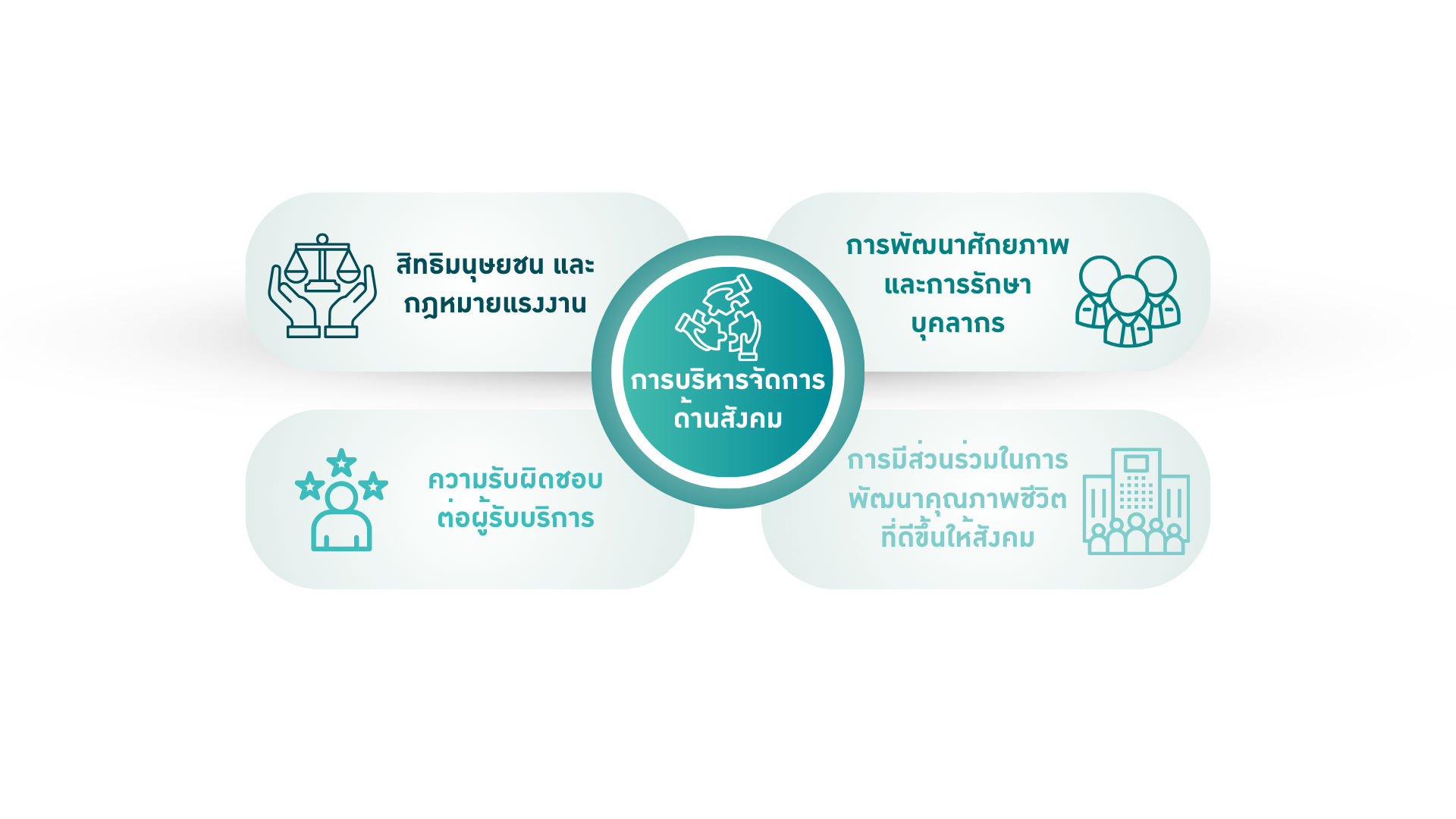
In addition, the Company places importance on promoting Inside-Out Value Creation, beginning with strengthening employee capabilities through the development of knowledge and skills, together with fostering a culture of safety and employee health and well-being. The Company also promotes career development pathways and strengthens employee engagement in order to support the delivery of Service Excellence, both through the development of specialized medical centers and the expansion of access to Digital Health services. At the same time, the Company aims to extend its impact to society by improving the quality of life of vulnerable groups, developing healthcare service innovations, and sharing knowledge to promote the well-being of people in society. These efforts contribute to the creation of Shared Value between the organization and stakeholders across all sectors, thereby supporting sustainable growth. To achieve this mission, the Company has conducted an assessment of business risks and opportunities, taking into consideration the operational context and strategic direction of the Company, as well as the expectations of stakeholders, the public, and surrounding communities.

Scan the QR Code to access the full Human Rights policy.
Social Strategies (4 Aspects) | Associated Risks and Opportunities (The “Why”) | Strategic Approach (The “How”) | Examples of Implemented Activities (Strategic Responses) |
1. Respect for Human Rights and Labor Practices | Risk: Violations of rights and lack of transparency in the medical supply chain Opportunity: Establishing governance standards recognized at the international level | Emphasizing the principle of Zero Discrimination and providing safe grievance mechanisms |
|
2. Talent Attraction and Retention | Risk: Shortage of specialized personnel Opportunity: Becoming an “Employer of Choice” | Developing employee skills, fostering a culture of safety, supporting career growth, and strengthening employee engagement |
|
3. Customer Responsibility | Risk: Patient safety and cybersecurity threats Opportunity: Healthcare service innovation and Digital Health | Developing specialized medical centers and enhancing services through digital technologies and Artificial Intelligence (AI) |
|
4. Contributing to Community and Social Well-Being | Risk: Inequality in access to the healthcare system Opportunity: Creating Shared Value and strengthening the Company’s corporate image | Expanding access to public healthcare services for all groups of people in Thailand |
|
Social Guidelines
| Guideline |
|---|
| Employee Rights |
| Migrant Workers |
| Child Labor |
| Consumer Rights |
| Community and Environment Rights |
| Safety and Occupational Health at Work |
| Non-discrimination |
| Business Partner Rights |
Employees — Plan & Guidelines
Has an Employee Management Plan
Yes
Plan Description
Human Resources Responsibility
The Company believes that its personnel are the core of delivering excellence in medical services. Therefore, the Company emphasizes systematic human resource management in accordance with international standards to create a working environment that is safe, equitable, and supportive of continuous learning. The Company recognizes that human resources are the most critical strategic factor for the Company’s long-term success in combining medical excellence with a human touch in service delivery. The Company therefore places strong importance on systematic Human Capital Management, covering recruitment and selection, capability development and capacity building, fair compensation management, employee well-being, as well as the creation of a safe working environment that respects human dignity. The Board of Directors oversees the strategic direction and policies related to human resources to ensure that workforce management aligns with the business strategy and that human capital risks are integrated into the Company’s Enterprise Risk Management (ERM) framework. This includes consideration of trends in the highly competitive and rapidly evolving healthcare industry, including demographic shifts, shortages of medical professionals, and the expectations of the new generation of employees. The Company is committed to operating in accordance with human rights principles and fair labor practices under Thai law and international standards, in alignment with the United Nations Guiding Principles on Business and Human Rights (UNGP). The Company integrates Human Rights Due Diligence (HRDD) into its human resource management processes through four steps: risk identification, self-assessment, in-depth review, and mitigation planning. These processes aim to prevent and address potential human rights risks both within the Company and throughout the value chain, with the objective of achieving Zero Human Rights Violations. In 2025, the Company conducted a comprehensive organization-wide human rights risk assessment. The results indicated that the Company did not have any salient human rights issues. However, as part of proactive risk management and to further strengthen stakeholder protection, the Company continues to document observations and identify human rights risks that require monitoring, such as risks related to health data privacy. For these monitoring areas, the Company has established systematic preventive and mitigation measures, along with measurable indicators to track performance and link them to the Company’s sustainability performance, ensuring that such issues do not develop into significant risks in the future. The Company believes that continuous investment in human capital is a fundamental foundation for service quality, organizational competitiveness, and the creation of sustainable value for all stakeholders.

Scan the QR Code to access the full Corporate Governance policy.
Plan Areas
| Plan Area |
|---|
| Fair employee compensation |
| Employee training and development |
| Promoting employee relations and participation |
| Migrant/foreign labor |
| Child labor |
| Occupational health and safety in workplace |
Employees — Workforce
Workforce Data
| Metric | Current Year | Previous Year | Two Years Ago |
|---|---|---|---|
| Total number of employees (Persons) | 1,644 | 1,579 | 1,524 |
| Number of male employees (Persons) | 268 | 264 | 250 |
| Number of female employees (Persons) | 1,376 | 1,315 | 1,274 |
| Total employment of disabled persons (people) | 6 | 6 | 7 |
| Total disabled employees (people) | 1 | 1 | 1 |
| Total male disabled employees (people) | 0 | 0 | 0 |
| Total female disabled employees (people) | 1 | 1 | 1 |
| Total disabled workers who are non-employee (people) | 5 | 5 | 6 |
| Contributions to the fund for promoting and improving the quality of life for disabled persons | 1 | 1 | 1 |
| Total number of male employees in operational level (Persons) | 244 | 240 | 226 |
| Total number of male employees in management level (Persons) | 16 | 17 | 16 |
| Total number of male employees in executive level (Persons) | 8 | 7 | 8 |
| Total number of female employees in operational level (Persons) | 1,304 | 1,241 | 1,210 |
| Total number of female employees in management level (Persons) | 67 | 70 | 60 |
| Total number of female employees in executive level (Persons) | 5 | 4 | 4 |
Employees — Remuneration & Provident Fund
Remuneration & Provident Fund
| Metric | Current Year | Previous Year | Two Years Ago |
|---|---|---|---|
| Total disabled employees (people) | 1,054,100,000 | 1,032,000,000 | 921,600,000 |
| Total male employee remuneration (Baht) | 160,700,000 | 204,600,000 | 163,800,000 |
| Total female employee remuneration (Baht) | 893,400,000 | 827,400,000 | 757,800,000 |
| Number of employees eligible to participate in PVD (persons) | 1,644 | 1,579 | 1,524 |
| Total number of employees joining employee provident fund (Persons) | 1,281 | 1,285 | 1,110 |
| Percentage of total number of employees joining employee provident fund to total number of employees (%) | 77.92 | 81.38 | 72.83 |
| Number of PVD members / Total eligible employees (%) | 77.92 | 81.38 | 72.83 |
| Total amount of provident fund contributed by the Company (Baht) | 16,138,584 | 14,844,101 | 13,307,285 |
| Total amount of provident fund contributed by employee (baht) | 36,502,258 | 32,404,749 | 21,699,982 |
Employees — Training & Development
Training Data
| Metric | Current Year | Previous Year | Two Years Ago |
|---|---|---|---|
| Average employee training hours (Hours / Person / Year) | 87.35 | 46.66 | 53.1 |
| Employee development and training expenses (baht) | 2,496,538.32 | 7,053,756.66 |
Employees — Occupational Health & Safety
Occupational Health & Safety Data
| Metric | Current Year | Previous Year | Two Years Ago |
|---|---|---|---|
| Total number of lost time injury incidents by employees (Cases) | 1 | 0 | 0 |
Employees — Labour Relations
Labour Relations Data
| Metric | Current Year | Previous Year | Two Years Ago |
|---|---|---|---|
| Total voluntary resignations (Persons) | 148 | 156 | 138 |
| Male employees who voluntary resigned (Persons) | 16 | 16 | 25 |
| Female employees who voluntary resigned (Persons) | 132 | 140 | 113 |
| Percentage of employee turnover leaving the Company voluntarily (%) | 9 | 9.88 | 9.06 |
| Evaluation result of employee engagement | 1 | 1 | 1 |
Employees — Employee Representation
Employees Are Represented Collectively
Yes
Forms of Representation
| Form |
|---|
| Welfare committee |
Employees — Targets
Has Set Employee Targets
Yes
Targets
| Indicator | Target Areas | Target Year | Target Year — Description |
|---|---|---|---|
| Average training hours not less than 40 hours per person | 2984 · Description: Employee training and development | 2,028 | Average training hours: a minimum of 30 hours per person. |
| Employee engagement rate not less than 80 percent. | 2985 · Description: Promoting employee relations and participation | 2,028 | Employee engagement rate not less than 80 percent. |
| Turnover rate less than 9 percent | 2990 · Other name: Resignation Rate · Description: Others | 2,028 | Turnover rate less than 10 percent |
| Lost Time Injury Frequency Rate (LTIFR) is zero. | 2988 · Description: Safety and occupational health at work | 2,025 | Lost Time Injury Frequency Rate (LTIFR) is zero. |
| One hundred percent of permanent employees completed training in safety, occupational health, and human rights. | 2988 · Description: Safety and occupational health at work | 2,026 | One hundred percent of permanent employees completed training in safety, occupational health, and human rights. |
Employees — Performance & Outcomes
Has Performance Results
Yes
Performance Description
Performance in 2025
Lost Time Injury Frequency Rate (LTIFR): 0.28 percent
100 percent of permanent employees completed training on safety, occupational health, and human rights
Average training hours: 87.67 hours per employee per year
Employee engagement rate: 79.25 percent
Total employee turnover rate: 9.21 percent
1.Implementation of the Strategy
Employee and Labor Management Plan
As of 31 December 2025, the Company had a total of 1,693 employees. The Company’s workforce structure primarily consists of medical and nursing personnel, who represent the majority of total employees. Support and administrative personnel also play an important role in supporting operational efficiency in areas such as operational systems, information technology, management, and governance. This ensures that medical services are delivered in accordance with standards of quality, safety, and professional ethics. In terms of age structure, employees are appropriately distributed across age groups, with the 30–50 age group serving as the core workforce of the organization. This age group represents a stage characterized by experience, expertise, and the potential for further knowledge development. The Company has established Strategic Workforce Planning to address risks related to shortages of medical personnel, the aging society trend, as well as future expansion of medical services and investments in new technologies. The Company regularly monitors, analyzes, and reviews its workforce structure to ensure alignment with the Company’s strategic plan, business growth, and Workforce Sustainability objectives. The Company aims to maintain a balance between operational efficiency, employee engagement, and long-term competitiveness[R.
All employee data (excluding doctors)
Group | Year 2022 | Year 2023 | Year 2024 | Year 2025 | |
Gender | Male | 237 | 250 | 264 | 268 |
Female | 1,145 | 1,274 | 1,315 | 1,376 | |
Age | Under 30 years | 518 | 577 | 535 | 503 |
30 - 50 years | 685 | 761 | 858 | 948 | |
Over 50 Year | 179 | 186 | 186 | 193 | |
Nationality | Thai | 1,362 | 1,500 | 1,558 | 1,622 |
Foreigners | 20 | 24 | 21 | 22 | |
Other Groups | Disabled | 1 | 1 | 1 | 1 |
Type of Employment Contract | Unlimited | 1,620 | 1,748 | 1,758 | 1,651 |
Fixed Term | 54 | 42 | 45 | 42 | |
New Employee Data (excluding doctors)
Group | Year 2022 | Year 2023 | Year 2024 | Year 2025 | |
Gender | Male | 34 | 43 | 32 | 30 |
Female | 269 | 292 | 190 | 208 | |
Age | Under 30 years | 224 | 248 | 140 | 139 |
30 - 50 years | 75 | 84 | 81 | 98 | |
Over 50 Year | 4 | 3 | 1 | 1 | |
Nationality | Thai | 290 | 335 | 220 | 234 |
Foreigners | 13 | 0 | 2 | 4 | |
Other Groups | Disabled | 0 | 0 | 0 | 0 |
Type of Employment Contract | Unlimited | 20 | 24 | 15 | 10 |
Fixed Term | 1 | 6 | 5 | 1 | |
Information on employees who have resigned voluntarily (excluding doctors)
Group | Year 2022 | Year 2023 | Year 2024 | Year 2025 | |
Gender | Male | 17 | 25 | 16 | 16 |
Female | 155 | 113 | 140 | 132 | |
Age | Under 30 years | 86 | 79 | 89 | 78 |
30 - 50 years | 79 | 56 | 58 | 63 | |
Over 50 Year | 7 | 3 | 9 | 7 | |
Nationality | Thai | 168 | 135 | 154 | 146 |
Foreigners | 4 | 3 | 2 | 2 | |
Other Groups | Disabled | 0 | 0 | 0 | 0 |
Type of Employment Contract | Unlimited | 172 | 135 | 156 | 148 |
Fixed Term | 0 | 3 | 0 | 0 | |
Company personnel categorized by department as of 31 December as follows:
Line of Work | Year 2023 | Year 2024 | Year 2025 | |||||||||
Male | % | Female | % | Male | % | Female | % | Male | % | Female | % | |
Full-Time Doctor | 62 | 2.8 | 72 | 3.3 | 66 | 3.1 | 70 | 3.3 | 62 | 2.7 | 74 | 3.2 |
Part-Time Doctor | 249 | 11.3 | 241 | 10.9 | 175 | 8.3 | 157 | 7.4 | 247 | 10.7 | 197 | 8.5 |
Consultant Doctor | 36 | 1.6 | 21 | 1.0 | 44 | 2.1 | 26 | 1.2 | 48 | 2.1 | 38 | 1.6 |
Nurse | 14 | 0.6 | 412 | 18.6 | 16 | 0.7 | 428 | 20.2 | 28 | 1..2 | 444 | 19.2 |
Other Medical Personnel(1) | 114 | 5.2 | 596 | 27.0 | 117 | 5.5 | 611 | 28.9 | 128 | 5.5 | 626 | 27.1 |
Other Departments(2) | 123 | 5.6 | 268 | 12.1 | 131 | 6.2 | 276 | 13.1 | 153 | 6.6 | 265 | 11.5 |
Total | 598 | 27.1 | 1,610 | 72.9 | 549 | 25.9 | 1,568 | 74.1 | 666 | 28.8 | 1,644 | 71.2 |
Total employees | 2,208 | 2,117 | 2,310 | |||||||||
Remark : (1) Healthcare professionals include other medical service divisions such as pharmacists, radiologic technologists, nutritionists, and physical therapists
The Company's personnel, categorized by age as of 31 December, are as follows:
Age | Year 2023 | Year 2024 | Year 2025 | |||||||||
Male | % | Female | % | Male | % | Female | % | Male | % | Female | % | |
Under 30 years | 57 | 3.7 | 520 | 34.1 | 59 | 3.7 | 476 | 30.2 | 57 | 3.5 | 446 | 27.1 |
30 - 50 years | 158 | 10.4 | 603 | 39.6 | 172 | 10.9 | 686 | 43.4 | 179 | 10.9 | 769 | 46.8 |
Over 50 Year | 35 | 2.3 | 151 | 9.9 | 33 | 2.1 | 153 | 9.7 | 32 | 1.9 | 161 | 9.8 |
Total | 250 | 16.4 | 1,274 | 83.6 | 264 | 16.7 | 1,315 | 83.3 | 268 | 16.3 | 1,376 | 83.7 |
Total employees | 1,524 | 1,579 | 1,644 | |||||||||
The Company's personnel, categorized by job level as of 31 December, are as follows:
Job Levels | Year 2023 | Year 2024 | Year 2025 | |||||||||
Male | % | Female | % | Male | % | Female | % | Male | % | Female | % | |
Operational-level employees | 226 | 14.8 | 1,210 | 79.4 | 240 | 15.2 | 1,241 | 78.6 | 244 | 14.8 | 1,304 | 79.3 |
Management-level employees | 16 | 1.1 | 60 | 3.9 | 17 | 1.1 | 70 | 4.4 | 16 | 1.0 | 67 | 4.1 |
Executive-level employees | 8 | 0.5 | 4 | 0.3 | 7 | 0.4 | 4 | 0.3 | 8 | 0.5 | 5 | 0.3 |
Total | 250 | 16.4 | 1,274 | 83.6 | 264 | 16.7 | 1,315 | 83.3 | 268 | 16.3 | 1,376 | 83.7 |
Total employees | 1,524 | 1,579 | 1,644 | |||||||||
From 2024 to 2025, the Company provided employee compensation (excluding doctors)
Employee Compensation (Million Baht) | Year 2024 | Year 2025 | ||||||
Male | % | Female | % | Male | % | Female | % | |
Salaries and Benefits | 154.8 | 15.0 | 685 | 66.4 | 133.5 | 12.7 | 739.5 | 70.1 |
Bonuses | 42 | 4.1 | 112.5 | 10.9 | 20.1 | 1.9 | 115.8 | 11.0 |
Other Compensation | 7.8 | 0.7 | 29.9 | 2.9 | 7.1 | 0.7 | 38.1 | 3.6 |
Total | 204.6 | 19.8 | 827.4 | 80.2 | 160.7 | 15.3 | 893.4 | 84.7 |
Total employees | 1,032.0 | 1,054.1 | ||||||
Fair Employment and Remuneration
The Company manages employment and remuneration based on the principles of fairness, transparency, and non-discrimination. The Company adheres to international standards, Thai labor laws, and international labor standards under the ILO Core Conventions on equal remuneration, non-discrimination, gender equality, and the elimination of forced labor. The Company also follows the principles of the United Nations Guiding Principles on Business and Human Rights (UNGP) and the OECD Guidelines for Multinational Enterprises. The Company places importance on Equal Employment Opportunity and on treating employees at all levels with respect for human dignity, with consideration based primarily on knowledge, capability, and performance. The Company pays wages above the legally required minimum wage and strives toward providing a Living Wage, while managing working conditions to eliminate excessive working hours to support employees’ quality of life.
Systematic and Continuously Reviewed Remuneration Structure
In 2025, the Company managed its remuneration structure based on a Job Evaluation system and Job Grade classification, which have been continuously developed and improved to ensure Internal Equity within the organization and to reflect job responsibilities, job complexity, and the impact on service quality. The Company’s policy does not allow discrimination and ensures fairness in pay for work of equal value. In addition, the Company regularly reviews its salary structure to align with labor market conditions in the private hospital industry (External Competitiveness) and to maintain competitiveness in Talent Attraction and Retention. The Company provides Fair Wages, which are not lower than the legally required minimum wage and aims to provide a Living Wage in accordance with the cost of living in the area of operation.
Performance-Based Compensation Adjustment
Annual compensation adjustments are based on the Performance Management System, which is linked to Corporate KPIs, Patient Service Quality, Department Performance, and Behavioral Competencies aligned with the Company’s core values. This system encourages employees to continuously develop their capabilities and improve service standards. Employees with strong performance receive salary increases and bonuses at rates higher than the average.
Employee Benefits and Well-being
In addition to base compensation, the Company provides comprehensive and equitable benefits for all employees without discrimination based on employment contract type (except for legal limitations), including the following:
Health: medical benefits for employees, spouses, and children; annual health check-ups; and preventive vaccinations
Financial: provident fund (maximum contribution rate of 5 percent), employee welfare loans, and attendance incentives
Family: maternity leave of 120 days (with salary for the first 60 days), paternity leave of 15 days with full pay to support the spouse after childbirth, and other statutory leave entitlements
Development: support for further education and professional development programs
Well-being: mental health promotion program (“Talk to Me”), exercise activities, and BMI Challenge
Governance Mechanisms
The Company has established independent, confidential, and accessible grievance channels for labor and remuneration matters through the Company’s website (Whistleblowing Channel) and the “Talk to Me” channel for employees. These channels are supported by whistleblower protection measures to prevent retaliation and promote a corporate culture that is transparent, accountable, and respectful of labor rights.
Employee Engagement
The Company conducts an Employee Engagement Survey annually to assess employee satisfaction, organizational pride, and employees’ intention to remain with the Company.
In 2025, the average engagement score was 79.25, slightly below the target of 80.00. Nevertheless, the survey results reflected employees’ confidence in the Company’s direction and overall management quality.
The Company conducted an in-depth analysis across dimensions to identify areas for improvement, particularly in internal communication and recognition. Improvement plans have been developed at both the organizational and departmental levels to enhance engagement scores in the following year.

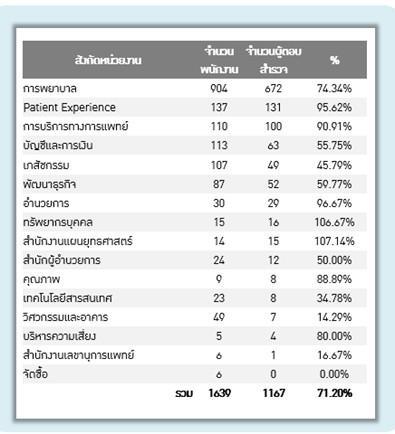
The survey results were communicated transparently and comprehensively through multiple channels to ensure awareness and participation at all levels of the organization. The results were reported via email to department heads for further communication to employees within their respective units. They were also presented during War Room meetings conducted through an online system to inform unit heads and enable them to establish improvement actions. In addition, the results were reported to senior management meetings for close oversight and follow-up, and were disseminated through internal communication channels.
Health Promotion and Exercise Programs
The Company promotes employees’ physical and mental well-being by supporting a variety of exercise activities, such as badminton, football, and yoga, to encourage a balance between work and personal health. These activities help reduce stress, strengthen relationships within teams, and support an organizational culture that continuously values employees’ quality of life.

Mental Health Support and Counseling
The Company has established the “Talk to Me” channel to provide employees with an opportunity to communicate opinions, suggestions, and complaints directly to management. The channel operates based on the principles of transparency, confidentiality, and non-discrimination. Feedback received through this channel is systematically reviewed and addressed to support an open communication culture and strengthen trust within the organization.

Resilience Builders Project
The Company organizes mental health training programs for employees identified as being at risk in order to strengthen their ability to cope with stress, manage emotions, and recover from work-related pressure. The program focuses on developing psychological resilience through practical activities and experience sharing. This initiative is part of the Company’s preventive mental health approach to reduce the risk of accumulated stress and support the long-term sustainability of human capital.


Employee Engagement and Organizational Culture Activities
The Company organizes activities during the Songkran Festival to preserve Thai cultural traditions and strengthen engagement within the organization. These activities include the traditional water-pouring ceremony to pay respect to senior members, merit-making activities, and recreational activities for employees. Such activities help create a warm working atmosphere, strengthen positive relationships between management and employees, and support an organizational culture that values collaboration and mutual respect


Employee Recognition Program
Retirement Ceremony
The Company organizes a ceremony to express appreciation and recognize employees upon their retirement, honoring their dedication, commitment, and contributions to the organization throughout their years of service. The ceremony reflects the Company’s culture of valuing employees at every stage of their career and helps foster pride and motivation among current employees to grow together with the Company.
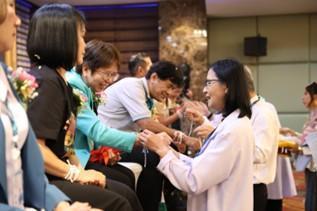
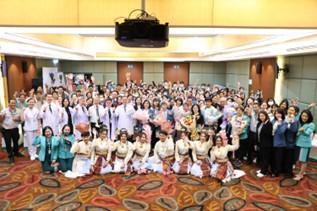
In addition, the Company implements recognition programs for employees who demonstrate outstanding performance and conduct themselves in accordance with the organization’s ethical principles. Examples include the Outstanding Nurse Award and recognition of employees who demonstrate honesty and integrity, such as returning patients’ or relatives’ lost belongings to their rightful owners. This approach reflects an organizational culture that upholds integrity, responsibility, and professional standards, while fostering positive motivation for employees to perform their duties with professionalism and ethics. These values form an important foundation for building trust among patients and other stakeholders.
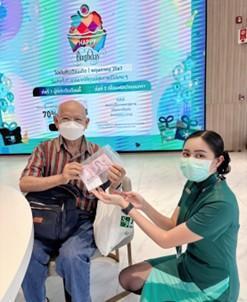
The Company places importance on fostering an organizational culture based on the CAT principles: Collaboration, Agility, and Trust, to strengthen cooperation, adaptability, and mutual trust within the organization. These principles form the foundation for delivering services with care and professionalism. The Company believes that systematically supporting employees’ quality of life and engagement helps reduce the risk of employee turnover, improve work efficiency, and strengthen organizational stability in the long term.
Praram 9 Hospital and its employees jointly contributed funds from the Praram 9 Family Support Fund to provide assistance to employees affected by flooding in the southern region. This initiative reflects care, unity, and social responsibility within the organization during times of crisis.


Annual Performance Appraisal
The Company conducts annual performance appraisals for employees, covering 100 percent of employees who are eligible for evaluation across the organization. This ensures that employee performance aligns with strategic objectives, service quality standards, and the Company’s core values.
The appraisal system covers both performance outcomes and behavioral competencies. Key performance indicators (KPIs) are established at the organizational, departmental, and individual levels to clearly reflect responsibilities according to each role in a fair and verifiable manner.
The appraisal process is conducted through the Company’s Human Resource Information System (HRIS), which enables consistent documentation, monitoring, and reporting of appraisal results. This system ensures transparency, standardized processes across the organization, and the ability to conduct retrospective reviews. Employees are able to access their appraisal results and scores directly through the system. Following the evaluation, supervisors conduct performance discussions with employees on an individual basis to explain the evaluation results, reflect on strengths, identify areas for improvement, and jointly establish a concrete Individual Development Plan (IDP) to support continuous development. The appraisal results are used to support decisions regarding career advancement, capability development, and appropriate compensation management, under the principles of transparency and fairness.
2.Occupational Health and Safety
The Company places the highest priority on the safety of its personnel and emphasizes the creation of a working environment that is safe and supportive of the well-being of employees at all levels. The Company recognizes that the healthcare service business involves specific risks, such as exposure to infectious diseases, the use of medical chemicals, machinery and equipment, and environmental factors within healthcare facilities.
The Company manages the hospital environment in accordance with healthcare safety standards and relevant laws. A Safety, Health, and Environment Committee has been established to implement the Safety, Health, and Environment (SHE) management system. This system covers risk identification and assessment, the implementation of control measures, training, and regular monitoring to prevent workplace accidents and occupational illnesses. Workplace risks are regularly monitored and assessed, with committee meetings held at least 12 times per year, and results reported regularly to management to ensure that safety measures are effective and aligned with relevant regulations and international standards. Knowledge Development: The Company has designated occupational health and safety training as a mandatory course for all personnel, starting from the employee orientation program. In 2025, 100 percent of the Company’s personnel, from executives to operational staff, completed this training. As a result, 100 percent of employees received safety training, representing a total of 9,864 training hours. The Company also implements systematic occupational health risk management programs, including:
Hearing Conservation Program (HCP)
Annual health check-ups for employees in high-risk groups
Provision of Personal Protective Equipment (PPE) according to the risk profile of each department, such as the Emergency Department and laboratories
Promotion of disease immunity through vaccination programs for emerging and seasonal diseases. In the past year, 99.88 percent of employees received influenza vaccinations.
The Company promotes safety in the working environment alongside comprehensive employee well-being.
The Company aims to create a workplace that is safe, supportive of physical and mental health, and conducive to Workforce Sustainability through the following initiatives:
Ergonomics: The Company places importance on designing workplaces and job tasks to align with employees’ physical ergonomics to reduce the risk of work-related injuries and prevent occupational illnesses in the long term. Measures include:
The use of patient transfer equipment to reduce the physical burden on personnel
Improvements to work areas in accordance with ergonomic principles to enhance safety and work efficiency
Promotion of Well-being and Preventive Health Behaviors: The Company continuously organizes health promotion activities to encourage employees to take care of their health and to support a sustainable organizational culture of well-being. Examples include:
BMI Challenge: a campaign encouraging appropriate nutrition and exercise behaviors.


The Walking Challenge: An initiative that encourages employees to increase daily physical activity by setting goals for cumulative walking distance or step counts.


These activities help enhance employees’ quality of life, reduce the risk of non-communicable diseases (NCDs), and support the development of a healthy workforce capable of performing their duties to their full potential.
The Company conducts human rights due diligence in parallel with occupational health risk assessments across all operational areas to identify and control potential risk points that may affect the health of employees as well as customers.
Human Rights & Occupational Health Risk Assessment
The Company conducts Human Rights Due Diligence (HRDD) in parallel with occupational health and safety risk assessments across all operational areas, in alignment with international standards under the United Nations Guiding Principles on Business and Human Rights (UN Guiding Principles on Business and Human Rights: UNGP). This process aims to identify, control, prevent, and mitigate risk factors that may affect the health, safety, and dignity of employees, customers, and surrounding communities.
Integrated Human Rights Risk Assessment
In 2025, the Company conducted an organization-wide human rights risk assessment covering both internal operations and the supply chain, following the four-step Human Rights Due Diligence (HRDD) process, which includes:
Process | Implementation |
| Screening groups of employees and stakeholders who may be affected by human rights risks, such as medical personnel working night shifts, contract employees, and cleaning staff. |
| Assessing risks through questionnaires and interviews with representative samples covering all departments. |
| Conducting detailed assessments in high-risk operational areas such as the emergency department, operating rooms, laboratories, and infectious waste management areas. |
| Establishing preventive and corrective measures for significant risk issues (Salient Issues). |
Safety Targets
The Company places the highest priority on the safety of medical personnel and employees at all levels. The Company has established a goal of achieving Zero Accident and continuously strives toward Zero Serious Injury in order to create a safe working environment for all personnel.
Performance in 2025
The Lost Time Injury Frequency Rate (LTIFR) remained at a very low level of 0.28.
The Company integrated human rights assessments with occupational safety assessments across all operational areas and provided Personal Protective Equipment (PPE) to high-risk groups. In addition, the Company ensured that the management of chemicals, infectious waste, and radiation complied with 100 percent of applicable safety standards. The Company has implemented systematic preventive measures to reduce the Lost Time Injury Frequency Rate (LTIFR) to zero, in line with its established target. These measures include workplace risk assessments, safety awareness campaigns, employee safety training, and regular incident reviews to continuously improve occupational safety performance.
These results reflect the Company’s strong commitment to fostering a Safety Culture as a fundamental element in protecting employees while maintaining sustainable patient safety standards.
Human Rights Performance: The Company has established a target of Zero Human Rights Violations. In 2025, no significant human rights violations were identified within the Company’s operations or across its supply chain.
Hazardous Materials and Waste Management
The Company manages hazardous materials and waste in accordance with international standards and relevant regulations in order to prevent impacts on the health of employees and surrounding communities.
Infectious and Hazardous Waste Management System: The Company has established systematic procedures for the segregation, collection, transportation, and disposal of medical waste to prevent impacts on the environment and surrounding communities.
Performance in 2025: Waste was properly segregated according to its categories, and no incidents of infectious waste affecting surrounding communities were reported.
Chemical and Radiation Control: The Company has implemented measures to control the storage and use of chemicals in laboratories, as well as regular safety inspections of X-ray rooms and radiation-related equipment.
Chemical and Radiation Control
Type | Control Measures | Inspection Frequency |
Laboratory Chemicals | Chemical inventory and safety data documentation- Storage system separated by hazard classification- Personal protective equipment (PPE) readily available | Daily inspection / Monthly random inspection |
X-ray and Radiation Equipment | Measurement of residual radiation levels in operational areas- Personal dosimeters for employees exposed to radiation risks- Equipment inspection in accordance with legal standards | Quarterly monitoring / Annual certification |
Performance in 2025:
100 percent of employees in high-risk groups received annual health check-ups.
100 percent of radiation levels in operational areas were within the standard limits.
No accidents related to exposure to chemicals or radiation were reported.
Emergency and Fire Preparedness
Fire Protection System: Installation and maintenance of smoke detectors, automatic sprinkler systems, and regular inspection of emergency exits to ensure they are operational 24 hours a day.
Equipment / System | Standard |
Smoke and Heat Detectors | Installed in all high-risk areas |
Automatic Fire Suppression System (Sprinkler) | Installed in storage areas and corridors |
Portable Fire Extinguishers | Provided in accordance with legal requirements |
Emergency Exit Routes | Clearly marked signage / Fire exit doors open outward |
Emergency Drill
The Company conducts annual fire evacuation drills and mass casualty incident drills to ensure that employees at all levels, including management, are prepared to respond to emergencies and can assist themselves and patients quickly and safely.


Disaster Preparedness
Development and regular drills of disaster response plans
Provision of backup supplies, including electricity, water, fuel, and medical supplies for emergency situations
Performance in 2025: Basic firefighting training and emergency drills were conducted in accordance with the established plan.
Environmental and Energy Management
The Company recognizes that healthcare services may have both direct and indirect environmental impacts. Therefore, the Company places importance on systematic environmental management in accordance with international standards and relevant regulations in order to minimize impacts on surrounding communities and maintain a safe environment for customers and personnel.
Environmentally Friendly Air Quality Management: The Company regularly monitors and controls environmental quality. Indoor air quality within the hospital buildings is measured to ensure it meets standard requirements, supporting respiratory safety for both personnel and patients.
Key Measures:
Ventilation and HEPA filtration systems in high-risk areas such as operating rooms and intensive care units (ICU)
Preventive maintenance of air conditioning and ventilation systems according to maintenance plans
Air quality monitoring conducted by accredited laboratories
Performance in 2025: 100 percent of service areas met the indoor air quality standards.
Indoor Air Quality (IAQ) Monitoring: Indoor air quality measurements also complied with legal requirements. Carbon dioxide (CO2) levels did not exceed 1,000 ppm, and the levels of airborne bacteria and fungi were within limits that are not harmful to the health of personnel and customers.
Wastewater Management: The Company operates an effective wastewater treatment system covering wastewater from medical activities, laboratories, and general service areas to ensure that discharged water is safe and does not impact surrounding communities. Test results comply with legal standards, such as Biochemical Oxygen Demand (BOD) not exceeding 20 mg/L and pH levels between 5.0–9.0.
Key Measures:
High-efficiency wastewater treatment system
Inspection and maintenance of the wastewater treatment system according to the annual maintenance plan
Wastewater sampling and analysis conducted by accredited external laboratories
Performance in 2025: Wastewater quality complied with the legally required standards.
Strengthening Safe and Resilient Infrastructure : To ensure the continuity of medical services without disruption, even during crisis situations, the Company has established an Emergency Power Supply management system that is ready to operate immediately in the event of an emergency. In addition, strict building security measures are implemented through CCTV systems covering all critical areas, along with 24-hour security personnel, to safeguard the safety of employees, patients, and visitors, as well as protect property within the hospital premises.
3.Training and Employee Development
The Company recognizes that human capital is a strategic factor for competitiveness and sustainable growth. The organization is committed to developing its workforce under the concept of a “Professional Healthcare Community” while fostering an organizational culture through the ESG DNA framework. This approach encourages employees at all levels to recognize their responsibilities in environmental, social, and governance dimensions, alongside the Company’s core value of Trust (Business Trust, People Trust, and Eco Trust).
The Company has also established a strategic goal to develop employees into “People Coaches” who are capable of providing guidance and continuously unlocking the potential of their teams. This supports the organization’s transformation toward becoming a Smart Hospital.
Future Skills Development (Digital Literacy and AI Skills): The Company encourages employees to learn and work with modern technologies, including the application of AI in work processes and the development of digital skills to support the 9 CARE Platform and telemedicine services. These initiatives enable employees to respond quickly and effectively to evolving medical technologies, strengthening organizational agility.
Professional and International Communication Training Center:
Clinical Training: Specialized professional training programs for physicians and nurses to maintain global standards and support the development of Centers of Excellence.
Medical Language Training: Programs to develop medical English communication skills for nurses and physiotherapists, enhancing their ability to confidently communicate with international patients and reduce communication-related errors.
The Company establishes an annual employee development plan aligned with:
Corporate strategy
Medical service expansion plans
The transition toward a Smart Hospital and Digital Healthcare
The needs of stakeholders, covering all employee groups including physicians, nurses, support staff, and executives
Four Key Dimensions of Employee Development
Clinical and Professional Excellence
Support for clinical training programs
Participation in national and international academic conferences
Compliance with standards required by regulatory authorities
Development of Centers of Excellence to enhance treatment quality and patient safety
Standardized Resuscitation Training Program
In 2025, Praram 9 Hospital organized training and competency assessments in standardized resuscitation programs for relevant professional staff in accordance with international standards. The training covered key courses including BLS (Basic Life Support), which provides basic life-saving skills for employees at all levels to ensure readiness to provide immediate assistance in emergency situations; ACLS (Advanced Cardiovascular Life Support), which focuses on advanced life support for effective management of cardiac arrest and circulatory emergencies; PALS (Pediatric Advanced Life Support), which provides resuscitation training for critically ill children in accordance with pediatric physiology; and NRP (Neonatal Resuscitation Program), which focuses on neonatal resuscitation to ensure the highest level of safety during newborn admission and the care of infants experiencing critical conditions after birth.

Academic Conference on Advances in Brain Disease Treatment
Praram 9 Hospital promotes the professional development of registered nurses to keep pace with evolving medical treatments and enhance their capacity to provide high-quality patient care. The hospital recognizes the importance of treating neurological and brain-related conditions, which involve highly complex systems and have a direct impact on patients’ quality of life. In 2025, the hospital organized an academic conference aimed at strengthening specialized knowledge among registered nurses, with a focus on updating medical knowledge and treatment technologies related to stroke, one of the leading health concerns in the country. The conference included knowledge sharing and updates on brain-related diseases as well as current treatment technologies. Topics covered included Advancements in Stroke Treatment, Updated Clinical Practice Guidelines for Stroke, Nursing Care for Advanced Stroke Treatment, Holistic Care for Stroke Patients, Stroke Case Studies, and updates on care standards for patients with dementia.
Leadership and Succession
Executive and supervisory development programs
Career path development
Individual Development Plan (IDP)
Integration of IDPs with succession planning
The Company systematically implements leadership and supervisory development programs by establishing clear career paths and developing Individual Development Plans (IDPs) for employees. These plans are integrated with the Company’s succession planning framework to prepare high-potential employees for key positions within the organization in the long term.
Executive Training Program on Safety, Occupational Health, and Working Environment
In 2025, the Company organized the training program “Safety, Occupational Health, and Working Environment for Executives” to enhance leaders’ awareness and responsibilities in driving proactive safety policies. The program emphasized systematic risk management in accordance with international standards. This program forms part of the Leadership Development Program and is integrated into the Individual Development Plans (IDPs) of executives to support their readiness for key leadership roles and strengthen sustainable safety governance. The program was conducted in one session, with 16 executives participating, representing 100 percent of the target group.
Digital Literacy and AI Skills
Use of medical information systems
Application of AI in work processes
Data analytics capabilities
Support for digital platforms and telemedicine services
These initiatives aim to improve operational efficiency and enhance the overall patient experience
Digital Competency Development Program
Praram 9 Hospital recognizes the importance of digital skills in driving the organization toward becoming a Smart Hospital. In 2025, the hospital organized a program to assess employees’ computer and information technology skills based on the international ICDL (International Computer Driving License) standard. The program aimed to evaluate and certify employees’ competencies in using digital technologies effectively and securely, while encouraging personnel to apply digital skills in their daily work and medical service delivery to improve accuracy and efficiency
Communication Skills Development and International Service Standards
Medical English Training
Service Excellence Program
Strengthening the People Coach culture
These initiatives support the delivery of services to both Thai and international patients and contribute to the Company’s goal of becoming an international-standard hospital.
English Language Competency Development Program
In 2025, Praram 9 Hospital implemented an English language competency development program to support the increasing number of international customers and to elevate service standards to the international level. The program focuses on developing practical communication skills that can be applied in daily work, covering both medical communication and hospitality-oriented service communication.
The development program was delivered through various learning formats, including classroom training conducted by native-speaking instructors, application-based online learning, and internally developed e-learning English courses. These approaches enable continuous and flexible learning opportunities for employees. In addition, the organization conducted post-training English proficiency assessments to evaluate learning outcomes.
The results are used to support systematic individual development planning in alignment with the Individual Development Plan (IDP) framework and to further strengthen employees’ professional service capabilities.
Employee Capability Development
In 2025, the organization continued to invest in human capital development, focusing on both professional skills and future skills, including Digital and AI capabilities. The total budget allocated for employee training and development amounted to Baht 4.10 million.
Indicator | Target | Performance in 2025 |
Average Training Hours | ≥ 40 hours/person/year | 87.67 hours/person/year |
Employees Receiving Development | ≥ 95 percent | 100 percent |
Performance in 2025: 100 percent of employees received annual performance evaluations. The average training hours reached 87.67 hours per person per year (target: 40 hours), representing a total of 144,129 training hours.
Clear Career Path and Individual Development Plan (IDP): The Company places importance on the career growth of all employees by implementing Individual Development Plans (IDPs) to clearly identify each employee’s strengths and development opportunities. These plans are linked to the succession planning framework and leadership development programs to prepare high-performing employees for key positions in the future. This approach supports career stability and helps retain talented personnel, enabling them to grow sustainably alongside the organization.
4.Diversity and Equal Opportunity
The Company believes that workforce diversity is a key driver of innovation in healthcare services. We are committed to creating an inclusive workplace that respects differences in gender, age, experience, and professional expertise. The Company follows a merit-based approach (Meritocracy), emphasizing capability and performance to ensure that all employees can fully utilize their knowledge and skills in delivering quality care without limitations related to personal status.
The Company promotes diversity, equality, and non-discrimination in the workplace based on the following principles:
Respect for human dignity – All employees are treated with respect and fairness without discrimination under any circumstances.
Adherence to international human rights principles – Operations align with the United Nations Guiding Principles on Business and Human Rights (UNGP) and the core conventions of the International Labor Organization (ILO Core Conventions).
Equal opportunity – All employees are provided opportunities to demonstrate their potential regardless of gender, sexual orientation, age, religion, ethnicity, nationality, or disability.
These diversity, equality, and non-discrimination practices are aligned with and form part of the Company’s Human Rights Policy, which respects fundamental human rights in accordance with international standards. Human rights principles are integrated into the Company’s human resource management processes to ensure that no violations or discrimination occur at any level of the organization.
The Company has established a Board Diversity Policy, considering a Board Skill Matrix that covers essential expertise in healthcare, business management, law, and technology. The policy also takes into account gender balance and age diversity to ensure well-rounded perspectives and effective governance aligned with evolving healthcare trends.
Gender Equality in Recruitment and Career Advancement
The Company is committed to reducing gender inequality in the workplace. Recruitment and employee selection processes focus on qualifications, experience, and competencies, without gender restrictions unless specific job requirements apply. The Company also encourages and supports female employees to advance into management and decision-making positions (Women in Management) using the same performance standards applied to male employees. Compensation and benefits are managed fairly, and employees receive equal opportunities for professional development to ensure genuine equality in employment.
Gender diversity in management is monitored as part of the Company’s Workforce Sustainability Metrics, with performance tracked and reported annually. The information is used to support leadership development planning and succession planning to build a balanced talent pipeline and reduce long-term human capital concentration risk. This approach aligns with international ESG principles on Equal Opportunity and Diversity & Inclusion.
The Company’s workforce structure reflects the nature of the healthcare sector, where nursing and medical support roles are predominantly female. In 2025, female employees accounted for 83.7 percent of the total workforce.
The Company also recognizes leadership diversity as a strategic factor supporting organizational sustainability. In 2025, female employees represented 83.70 percent of the total workforce, while women in management positions (M1–M3 and E1–E4) accounted for 11.80 percent, an increase from 10.50 percent in 2024. This reflects positive progress in developing female talent for leadership roles.
The Company determines compensation structures based on job level, responsibilities, and performance, without regard to gender, age, or other personal characteristics unrelated to job performance. No significant gender pay gap has been identified in comparable positions, and the compensation structure is regularly reviewed to ensure fairness and prevent structural inequality within the organization.
Non-Discrimination Policy: The Company conducts its business with transparency and fairness and has established a Non-Discrimination Policy, clearly outlined in the Code of Conduct, to prevent inequality or discrimination across all human resource processes. These processes include recruitment, development, promotion, performance evaluation, and compensation management. All decisions are based on competence, job suitability, and performance, while fostering a respectful working environment where all employees are treated with dignity.
Anti-Harassment and Grievance Mechanism: The Company maintains a zero tolerance policy for harassment and bullying in all forms. Training programs are provided for managers to equip them with the knowledge and skills needed to prevent and appropriately address such situations. Employees may submit complaints through independent channels, including the Whistleblowing Channel and the “Talk to Me” platform, with the option to remain anonymous. The Company also implements non-retaliation measures to protect whistleblowers.
Performance in 2025: No complaints related to discrimination, harassment, or human rights violations were reported (0 cases).
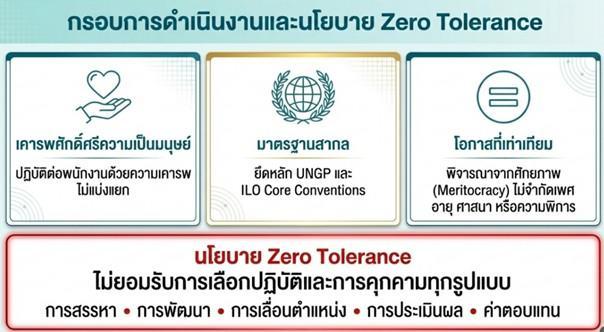
Family Support and Gender Equality Policy: The Company recognizes the importance of family well-being and the equal roles of both parents in childcare. Therefore, the Company has established comprehensive leave policies as follows:
Maternity Leave: Female employees are entitled to 120 days of maternity leave. During this period, employees receive their regular salary for at least 60 days, while the Social Security Fund provides an additional 50 percent of the average salary for up to 120 days. This policy enables employees to recover from childbirth and care for their newborn without financial concerns during the leave period.
Parental Leave: Male employees are entitled to up to 15 days of paid parental leave to support their spouses in caring for their newborn child. This policy encourages the role of fathers in building strong family foundations and helps balance caregiving responsibilities between parents.
The Company has achieved a 100 percent return-to-work rate after maternity leave, reflecting the effectiveness of its policies in supporting employees and retaining talented personnel.
Prevention and Governance Mechanisms
To ensure the effective implementation of diversity and non-discrimination policies, the Company has established the following key measures:
Fostering a Culture of Mutual Respect: The Company provides training and awareness programs for employees at all levels regarding the Non-Discrimination Policy and the importance of inclusion, promoting understanding and respect for diversity in order to reduce potential conflicts arising from personal bias. In the past year, all employees received communication and awareness initiatives related to these principles.
Grievance Mechanism: The Company provides secure and confidential reporting channels for employees who witness or are affected by unfair treatment. Complaints can be submitted through the Company’s website via the whistleblowing channel at https://investor.praram9.com/th/company-info/corporate-governance/whistleblowing-channel
The Company also implements Whistleblower Protection measures and ensures that all investigations are conducted in a neutral, transparent, and verifiable manner in order to restore fairness to affected individuals and prevent retaliation.
Grievance Performance in 2025
No complaints related to discrimination in employment (0 cases)
No incidents of violations of the workplace non-discrimination policy (0 cases)
No complaints related to workplace harassment (0 cases)
No complaints related to human rights violations (0 cases)
Employment of Vulnerable Groups
The Company supports the employment of persons with disabilities (Disability Inclusion) in accordance with the Empowerment of Persons with Disabilities Act B.E. 2550 (2007) and the principle of promoting equal opportunities in employment.
Employment Type | Year 2024 | Year 2025 |
Direct employment of persons with disabilities | 1 person | 1 person |
Employment through a public benefit organization (Innovation Foundation) | 16 persons | 16 persons |
Total support for employment of persons with disabilities | 17 persons | 17 persons |
Performance in 2025:
The Company has continuously supported the employment of 17 persons with disabilities since 2024.
Employees with disabilities who are directly employed receive the same treatment and benefits as other employees.
The Company provides an appropriate working environment that supports and facilitates the performance of employees with disabilities.
5.Employee Engagement and Freedom of Association
The Company respects employees’ rights to organize and participate in collective discussions to propose improvements for the organization. The Company adheres to the principle of Freedom of Association in accordance with Thai labor laws and international labor standards. Employees have the right to establish or join labor unions as permitted under the Labor Relations Act. The Company supports and does not obstruct the exercise of such rights and maintains policies that prohibit discrimination or retaliation against employees who choose to exercise their right to association. The Company believes that open communication between management and employee representatives is an important mechanism for building trust and promoting a fair and sustainable working environment. To facilitate this, the Company has established a Welfare Committee, elected by employees, to represent staff in discussions and negotiations with management regarding employment conditions and employee benefits. In addition, the Company provides two-way communication channels through Town Hall meetings and digital communication platforms, allowing employees to freely express opinions and suggestions. The Company has established a “Welfare Committee” composed of elected employee representatives to systematically gather feedback and represent employees’ voices, while encouraging constructive participation in organizational development. The committee’s key responsibilities include:
Consultation and Development of Employee Welfare: The committee meets with management on a quarterly basis to discuss and determine improvements to employee welfare programs in response to employees’ needs. Topics may include enhancements to medical benefits, quality-of-life initiatives, and improvements to the working environment. Outcomes from these meetings are translated into concrete actions, with ongoing monitoring and follow-up.
Policy Communication Mechanism: The committee serves as an intermediary channel to communicate important information from management to employees and to collect feedback and suggestions from employees for management consideration. This helps ensure mutual understanding and reduces potential miscommunication or conflict. The committee also reviews matters related to employment conditions and welfare within the scope defined by applicable laws.
Participation in Town Hall Activities: The Welfare Committee plays an important role in gathering employee questions and suggestions for presentation during Town Hall Meetings. In 2025, two Town Hall sessions were held on
27 May 2025
9 December 2025
These events provided opportunities for senior executives to listen directly to employee feedback and promptly address key issues. This reflects the Company’s commitment to participatory governance and responsive management.


Meetings and Follow-up:
The committee holds formal meetings at least once per quarter (four times per year). In 2025, all four scheduled meetings were conducted as planned to report progress, receive employee feedback, and monitor the implementation of agreed actions. In cases involving urgent or significant matters that may affect employees or working conditions, special meetings may be convened as necessary to ensure timely, transparent, and effective resolution. These practices demonstrate the Company’s commitment to respecting Freedom of Association and promoting employee participation mechanisms in line with international labor principles and Thai labor laws.
6.Mechanisms to Promote Employee Engagement through Social Networks
The Company believes that employees are a key driving force in creating social value. Therefore, the Company has established mechanisms to encourage participation through skilled-based volunteering, supporting employees in applying their medical knowledge and professional expertise to benefit society in collaboration with partner organizations and charitable institutions. This approach promotes structured engagement among employees at all levels with external partners and community networks, as follows:
Medical Outreach Partners: The Company collaborates with foundations and partner organizations to organize volunteer teams of doctors and nurses to conduct proactive community health screenings, provide health education, and deliver training on Cardiopulmonary Resuscitation (CPR) and the use of Automated External Defibrillators (AED) for community members.
Knowledge Sharing Network: The Company encourages support staff (Back Office personnel) to participate as speakers or advisors, sharing knowledge on sanitation system management and occupational health with nearby educational institutions and religious organizations.
Digital Engagement Platform
Collaborative Crowdsourcing: The Company utilizes internal communication platforms to gather employee input in selecting charitable partners or social issues of interest. This approach fosters a sense of participation and ownership among employees in the Company’s social initiatives.
7.Employee Retention and Turnover
The Company recognizes that medical professionals and support personnel are critical resources in maintaining service quality and building trust with patients. Retaining talented employees is therefore one of the key factors supporting the Company’s long-term business sustainability. The Company places importance on analyzing employee turnover and implementing proactive measures to strengthen employee engagement and reduce the loss of valuable personnel. The Company monitors the Voluntary Turnover Rate on an annual basis and conducts in-depth analysis of the underlying causes. The findings are used to continuously improve human resource policies and management practices.
Year | Total Employees | Voluntary Turnover | Turnover Rate | Chang (%) |
2023 | 1,524 | 138 | 9.06 | |
2024 | 1,579 | 156 | 9.88 | +0.82 |
2025 | 1,644 | 148 | 9.21 | -0.67 |
Performance in 2025:
The Voluntary Turnover Rate was 9.21 percent. The Company monitors employee turnover annually and analyzes the underlying causes of resignations to improve human resource policies and management practices. Compared with 2024, when the voluntary turnover rate was 9.88 percent, the decrease reflects positive outcomes from initiatives related to employee development, employee benefits, and engagement programs. The Company has implemented several measures to strengthen employee engagement and reduce turnover, including the development of career paths, fair performance evaluation systems, support for work–life balance, and the collection of employee feedback through the Employee Engagement Survey. The Company aims to maintain its turnover rate at a level appropriate for the healthcare industry while continuing to enhance proactive workforce management strategies to retain talented employees in the long term.
The Company also places importance on strategic human capital governance, with the Board of Directors providing direction and oversight of human capital management to ensure alignment with business strategy, risk management, and the organization’s sustainability goals. Management is responsible for translating the Company’s human resource policies into operational practices by establishing Workforce KPIs, such as the voluntary turnover rate, employee engagement level, average training hours per employee, and the rate of workplace accidents. Performance against these indicators is regularly monitored and reported to management.
The Company recognizes emerging challenges in the healthcare industry, including the shortage of medical professionals, demographic shifts, and the evolving expectations of the new workforce generation. In response, the Company has established a Workforce Sustainability Strategy that encompasses workforce planning, leadership development for the next generation, the development of clear career pathways, and the strengthening of an organizational culture that supports long-term employee retention. The Company aims to
Maintain employee turnover at a level appropriate for the industry
Continuously enhance employee engagement
Promote capability development for employees at all levels
Foster an organizational culture based on Collaboration, Agility, and Trust
The Company believes that systematic and goal-oriented human capital governance will strengthen organizational stability, enhance competitiveness, and create sustainable value for all stakeholders.
Customers — Plan & Guidelines
Has a Customer Management Plan
Yes
Plan Description
Customer Responsibility
Quality of Care and Patient Safety
The Company has been accredited by Joint Commission International (JCI) since 2010 and continues to maintain this international standard to the present day. The Company implements a systematic risk management framework and establishes hospital level performance indicators, with strict verification processes in accordance with the 10R principles and rigorous surgical safety procedures. As a healthcare provider with over 33 years of medical service experience, patient safety and quality of care have always been the Company’s top priorities. This commitment begins with the careful selection of highly qualified medical specialists and the continuous adoption of advanced medical technologies to ensure the delivery of healthcare services at the highest standards. With its long standing JCI accreditation, the Company remains dedicated to providing medical services and treatments that meet international standards while offering the most appropriate treatment options to maximize patient satisfaction. Through professional medical expertise and high-quality service, the Company also strengthens patient trust and enhances risk management related to patient information and care delivery.
In terms of patient quality and safety
The Company places strong emphasis on patient safety and quality of care in accordance with international healthcare standards. Operational practices focus on the continuous improvement of patient safety to ensure that patients receive safe and effective treatment. Patient safety is one of the Company’s core principles and includes various practices designed to ensure that patients receive appropriate and reliable medical care. In addition, service quality in hospital care is regarded as a key priority to ensure that patients receive the best possible care. Continuous improvement and development across different areas help enhance patient satisfaction and build confidence in the services provided. The key aspects of service quality and patient safety are as follows.
Clinical Competence
Delivering high quality care through physicians, nurses, and medical professionals who possess strong knowledge, expertise, and extensive experience in patient treatment.
Applying effective and safe treatment methods that are regularly reviewed and aligned with international medical standards.
Accessibility
Providing convenient access to medical services, including appointment scheduling, emergency care, and a wide range of healthcare services.
Improving service processes to ensure that patients receive timely care with minimal waiting time.
Patient Centered Care
Delivering services that prioritize patients and their individual needs, including understanding patients’ health conditions and providing appropriate medical consultation.
Providing care with compassion and empathy, while encouraging patients to actively participate in decisions regarding their treatment.
Effective Communication
Developing structured communication systems to ensure complete and accurate information transfer among multidisciplinary healthcare teams, supporting continuity and safety in patient care.
Communicating essential information related to diagnosis, treatment, and medical results clearly and transparently.
Providing information in a manner that is easy for patients and their families to understand, enabling informed decision making.
Safety Standards
Adhering to international patient safety standards to prevent treatment errors, including patient identification verification using two identifiers, medication safety checks based on the 10R principles, and surgical safety procedures such as surgical site marking and verification before and after surgery.
Establishing operational guidelines in compliance with PDPA to prevent patient data leakage or unauthorized disclosure across all communication channels, including the provision of patient information via telephone.
Utilizing technology to support treatment and reduce risks, such as medical equipment tracking systems and the use of electronic systems for medication orders and patient records.
Implementing strict infection prevention and control measures within the hospital.
Resource Management
Ensuring efficient use of resources, including patient bed management, medical equipment management, and workforce allocation.
Planning and preparing service capacity to effectively accommodate patient demand.
Continuous Monitoring and Improvement
Continuously monitoring service quality through both internal and external evaluations, including accreditation by internationally recognized organizations.
Identifying and prioritizing risks that may affect patient safety and establishing them as hospital-level indicators to monitor performance and implement preventive improvements.
Enhancing service quality by using evaluation results to support continuous development and operational efficiency.
Patient Satisfaction
Monitoring and measuring patient satisfaction regarding the services received, including collecting feedback and suggestions from patients.
Addressing issues and service gaps identified through feedback to improve the overall patient experience.
Technology and Innovation
Applying new technologies and innovations in patient care, such as Electronic Health Records (EHR) and the use of AI in health data analysis.
Developing and adopting advanced treatment technologies, such as robotic-assisted surgery and precision medicine approaches. The development of hospital service quality requires an integrated approach that combines high-quality medical services, patient satisfaction, and adherence to international standards to ensure that patients receive the best possible care in all aspects.
Performance Results in 2025
The Company conducted systematic patient safety risk assessments, established hospital-level indicators (Sentinel Events and Adverse Events), and monitored performance on a monthly basis through the Risk Management Committee.
The number of Sentinel Events was zero incidents.
The Company successfully renewed its Joint Commission International (JCI) accreditation for the fifth consecutive cycle, achieving a 99.23 percent score in the survey conducted on 10–13 November 2025.
E-commerce Market Adaptation and Digital Media Efficiency Enhancement
The company recognizes the importance of responding to changing consumer behavior and has adjusted its operational strategies to enhance competitiveness and create convenient, fast access to healthcare services. This involves applying digital technology to create added economic and social value. One key strategy is expanding distribution channels through e-commerce platforms, which are highly popular today. The company has partnered with leading platforms, Shopee and Lazada, to open the official 'Praram 9 Hospital' store, allowing service recipients easier access to health programs and services, reducing travel and waiting times, and meeting the needs of a dynamic lifestyle. This initiative not only increases access to professional healthcare services at all times through expert consultations and health news updates but also elevates comprehensive digital healthcare services, encouraging consumers to pay more attention to their health and fostering a better quality of life in the long term. Furthermore, it expands the business into a broader e-commerce market, supporting the sustainable growth of digital healthcare in the future.
Advancing Toward an AI Driven Hospital Through the 9 SMART Innovation
The Company is advancing toward a fully digital transformation to enhance competitiveness and strengthen safety standards, while promoting equitable access to healthcare services. This transformation is driven by the 9 SMART innovation framework, which serves as a key approach to organizational development. Key initiatives include:
SMART Medical and AI Support: The Company has begun integrating artificial intelligence technologies to support physicians in analyzing radiological images and laboratory results. This enables more accurate early disease detection and facilitates the development of appropriate treatment plans tailored to individual patients through personalized medicine. SMART Seamless Connectivity: The Company has developed the 9CARE application to create a seamless and personalized healthcare experience. The platform enhances convenience, speed, and accuracy in accessing healthcare services.
The 9 SMART platform includes five key functions:
Smart Appointment: A mobile based system that allows patients to access medical records and schedule appointments with physicians online through the LINE application.
Online Queue Management: A real time queue management system that allows patients to check their queue status and helps reduce waiting time.
Access to Health Information: Patients can access their health check results, X ray reports, and medication information through a Personal Health Record (PHR) system.
Health Package Management: Enables patients to purchase health packages, manage appointments, and receive service referrals through the platform.
Membership Program: A membership system that allows users to accumulate points and receive benefits
9CARE Application: The application helps reduce service steps and waiting time, while building confidence at every service touchpoint, from eligibility verification to real time access to health examination results. Users can access services within approximately 10 minutes, compared with 30 minutes under the traditional service model. Currently, the application has 5,721 users, with a target of 15,000 users by 2026. The platform is also designed to support an aging society, with 31 percent of users aged 51 and above, reflecting its accessibility and convenience for people of all age groups.
SMART Technology and Telemedicine: The Company has expanded healthcare services beyond the hospital to patients’ homes through telehealth services, enabling patients to receive consultations from professional healthcare teams conveniently and efficiently. In 2025, the number of telemedicine users reached 2,315, representing an increase of 22.2 percent compared with 2024. In 2025, the Company also reviewed and enhanced the quality of its telemedicine services across multiple aspects, including medical standards, user experience, and digital technology connectivity, to ensure greater system stability and data security.
Customer Relationship Management (CRM) system. Further details can be found in section 1.1.1.
Electronic Medical Record (EMR) system. Further details can be found in section 1.1.2.
The Company is committed to enhancing the quality of medical care and patient experience by adopting a patient centric approach through the implementation of the Digital Hospital concept. This approach integrates medical technology, digital innovation, and professional expertise to deliver healthcare services that are safe, accessible, and highly secure in terms of data protection. Key performance highlights are as follows:
Data Privacy and Health Data Security
Highest standards of data protection: The Company prioritizes personal data protection in accordance with PDPA standards. Patients can complete online pre-registration through face scan technology and two factor authentication (2FA), with data securely transmitted directly to the Hospital Information System (HIS).
Secure intelligent data management: The use of real hospital data to support artificial intelligence (AI) learning is conducted under strict security protocols and advanced personal data protection measures.
Secure access to personal health records: Patients can securely access their Personal Health Records (PHR), diagnostic results, and medication history via mobile devices through encrypted systems and secure identity verification.
Improving Quality of Care and Patient Safety
Reduced processes and faster services: The 9Smart platform reduces new patient registration time from 15 to 20 minutes to less than 1 minute, representing a 90 percent reduction, and decreases outpatient service procedures from 7 steps to 4 steps.
Reducing communication errors: The implementation of Mobile Auto Check in and real time status tracking systems reduces the need for patients to inquire with staff at multiple service points, resulting in smoother service flow and fewer communication errors.
Improved follow up efficiency: Real time appointment and reminder systems help reduce scheduling discrepancies, increasing the appointment attendance rate from 83 percent to 86 percent.
Expanding Equitable Access to Healthcare Services
Seamless healthcare delivery (Decentralized Healthcare): The Company introduced the concept of “bringing the hospital to patients’ homes” through the 9CARE application, allowing patients with complex medical conditions to receive continuous care without frequent hospital visits, thereby reducing economic and social burdens.
24 hour Telemedicine services: Operated through the Praram9V Online Hospital Center, enabling patients in remote areas, patients with non-critical conditions, and international patients to access specialist consultations anytime and anywhere, reducing travel time and related expenses.
Medical IoT connectivity: The system supports integration with health monitoring devices such as blood pressure monitors, glucose meters, and smart watches, enabling physicians to monitor patient health conditions in real time and reduce potential health risks and disease severity.
Customer Satisfaction and Engagement
High satisfaction rate: Results from the 9Smart platform indicate that 95 percent of users reported satisfaction, particularly with features such as doctor appointment booking, access to medical test results, and Mobile Check in.
Addressing the needs of an aging society: The platform is designed to be user friendly and accessible for all age groups. Notably, 31 percent of users are aged 51 and above, reflecting that older patients are able to conveniently access and benefit from digital healthcare services.
Responsible brand communication: The Company integrates AI technology with employee capability development to produce “REAL LIFE INSPIRED STORY” video content that creatively communicates health related information. These videos have generated more than 2,000,000 total views, helping to strengthen public awareness and engagement in health care.
Responding to Customer Needs
The Company places strong importance on customer satisfaction and customer experience, recognizing that satisfaction is a key factor in continuously improving service quality. The Company has established a Customer Feedback Management system to promptly capture and respond to feedback from customers. Surveys, follow ups, and inquiries are conducted regularly with both customers who have received services and individuals who contact the hospital through various online channels. Insights gathered from these channels are used to improve services and better respond to customer needs.
The Company has also set clear objectives for managing customer responsibility, including establishing customer satisfaction targets and regularly monitoring survey results to ensure that customer expectations are effectively addressed, as outlined below.
Outpatient (OPD) Customer Experience Satisfaction Rate: Target ≥ 95%
According to the 2025 survey results, the OPD customer experience satisfaction rate was 93.6 percent. Based on the survey findings, the Company implemented several initiatives to respond to customer needs, as follows:
Integration of insurance eligibility verification with the registration process to facilitate customers using insurance coverage, enabling them to acknowledge their treatment benefits prior to receiving services and reducing waiting time for eligibility verification.
Deployment of service staff at payment waiting areas to provide immediate assistance and information to customers who may experience longer waiting times during the payment process.
Establishment of the Patient Experience Team, consisting of the Customer Relations Department, Registration Department, Porter Service Unit, and Contact Center. The team collaborates to enhance service quality by applying service design principles to improve the overall patient service journey.
Expansion of the Food Plaza in Building A, in addition to the existing dining facilities in Building B, to provide more diverse food options and better accommodate customers visiting physicians as well as general visitors.
Patient transportation service improvement initiatives, including:
Pink Porter Project: female porter staff assigned to assist with the transportation of female Arab patients and elderly patients who may prefer assistance other than wheelchairs.
Deployment of additional staff at key connection points, such as elevator areas and inter-building walkways, to reduce confusion and provide immediate assistance to customers.
Introduction of a Bolt ride-hailing service point for customers who do not use private vehicles, complementing the existing hospital shuttle van service.
English language development programs for staff to enhance communication effectiveness with international patients.
Expansion of the International Center and International Clinic to facilitate and better support services for international patients.
Service Development Program, including:
Establishing service standards for each department.
Identifying customer needs through Secret Shopper assessments and reflecting service gaps against established standards.
Encouraging departmental participation in service improvement initiatives.
Conducting internal service audits by appointed representatives and providing feedback to relevant departments for improvement.
Organizing individual service behavior training programs for employees when inappropriate service behavior is identified.
Inpatient (IPD) Customer Experience Satisfaction Rate: Target ≥ 95%
According to the 2025 survey results, the IPD customer experience satisfaction rate was 96.6 percent, exceeding the established target. The Company has analyzed the survey results and implemented several initiatives to continuously enhance the inpatient service experience, as follows:
Improvement of in-room facilities, including the installation of Smart TVs and enhanced Wi-Fi connectivity, to better support patients’ usage needs during their stay.
Appropriate ward allocation based on treatment type, ensuring that patient wards and care teams align with specific medical needs, including:
Ward 9 for patients requiring close medical observation
Ward 10 for cardiac patients
Ward 16 for cosmetic surgery patients
Ward 6 for obstetrics and gynecology patients
Ward 15B for pediatric patients
Ward 17B for Arab patients
In addition, the hospital has introduced Vein Finder equipment and established an IV Champion Team to assist with intravenous access for patients with difficult veins, helping reduce stress during treatment.
Enhancement of services for Arab patients, including:
Coordinating Halal food services specifically for Arab patients, based on patient feedback and recommendations.
Establishing a dedicated inpatient ward for Arab patients to accommodate cultural preferences and service needs.
Organizing training sessions on basic care practices for Arab patients for hospital staff.
Assigning Arabic interpreters stationed at the ward to support Arab patients and multidisciplinary care teams, facilitating smoother and more efficient communication and service delivery.
Development of specialized care training programs and expansion of learning channels for medical personnel through classroom training, hands-on workshops, and e-learning platforms, aimed at enhancing the quality of patient care and strengthening confidence among patients and their families.
Monitoring Customer Experience
The Company conducts patient experience surveys, or individual satisfaction surveys, through a dedicated survey team that operates independently from staff in operational departments. This approach ensures that the surveys are conducted comprehensively and objectively. The team performs direct interviews with customers to gather feedback regarding their service experience. In cases where compliments or suggestions are received, the information is recorded in the Risk Management system, which automatically generates action reports and forwards them to the relevant departments. This process enables the responsible units to identify appropriate corrective and preventive measures to avoid recurrence, while also ensuring timely and tangible responses to customer needs and feedback.
Facility Improvements to Enhance Customer Experience
1st Floor, Building A
Expansion of the International Center to better accommodate and facilitate the growing number of international patients.
Establishment of a Food Plaza to provide a wider variety of dining options.
Renovation of the main entrance lobby to create a more open, comfortable, and welcoming environment.
Improvement of the Physical Therapy Department to support the increasing number of patients requiring rehabilitation services.
Expansion and preparation of space for the second MRI machine to enhance diagnostic service capacity.
Performance Results in 2025
Goals
Outpatient Patient Experience Satisfaction Rate (Patient Experience OPD) no less than 95%.
Inpatient Patient Experience Satisfaction Rate (Patient Experience IPD) no less than 95%.
Performance Results
Outpatient Patient Experience Satisfaction Rate (Patient Experience OPD) 93.6%
Inpatient Patient Experience Satisfaction Rate (Patient Experience IPD) 96.6%
In addition to assessing overall customer satisfaction, the Company also recognizes the opportunity to increase the number of new customers through customer recommendations. When customers have a positive service experience, they are more likely to recommend the hospital to others. Therefore, the Company monitors the recommendation rate among both OPD and IPD customers. The results are as follows:
Outpatient referral rate equals 79.3%.
Inpatient referral rate equals 87.2%.
These results represent an ongoing challenge for the Company to further enhance service quality and strengthen customer experience to increase customer satisfaction and encourage more recommendations.
Customer Grievance Mechanism
The Company recognizes that listening to and addressing customer complaints is not only a process for resolving service-related issues, but also an important mechanism for strengthening good corporate governance, respect for human rights, and sustainable organizational development. Therefore, the Company has developed a customer grievance management system in alignment with international standards to serve as a mechanism for enhancing governance and promoting respect for human rights, as follows.
Receiving complaints: Receive complaints from customers through all available channels. Currently, reporting channels have been developed, such as phone, QR Code, email, Line, or social media, to allow customers to communicate conveniently.
Listen and acknowledge: When a service user has a complaint, it is important to listen to their concerns attentively and empathetically, so that they feel their voice is valued.
Detailed analysis and investigation of the problem to determine which service aspect caused it, such as service delays, treatment quality, or inconvenience in various procedures.
Rapid response and problem resolution: Transparent and direct communication. Upon receiving a complaint, staff respond to the service user as quickly as possible. Even if not all issues are resolved, a response demonstrating interest and acknowledgment of the complaint is crucial.
Monitoring and summary: The status of each service user's complaint management is monitored, and a summary of complaint management results is prepared.
Learning and improvement: Using data from complaints to improve future services by developing work processes or training employees to prevent the recurrence of previous problems.
Providing a straightforward explanation for the problem and apologizing to affected service users, so that they understand the company acknowledges the issue and is ready to resolve it.
Problem resolution as promised to service users, such as changes in services, additional services, or useful advice.
Post-resolution follow-up: After implementing solutions, follow-up is conducted to ensure that the issues have been resolved satisfactorily and that service users are content.
Data recording: Detailed recording of all complaints received, including complainant information, problem details, and date and time of occurrence.
Analysis and investigation: Carefully analyze the problems that have occurred to find the root causes before proceeding with problem resolution in the next steps.
Using complaints as a tool for service quality improvement: Complaints provide crucial data for developing future service systems or processes, such as refining service procedures, training personnel, or utilizing technology to enhance efficiency.
Building a culture and promoting a culture among personnel of listening and recognizing the importance of complaint management as part of improving and developing service quality.
Managing customer complaints is not merely a problem-solving process but an effective demonstration of responsibility and care for customers. If handled correctly and attentively, it helps build customer satisfaction, improve services, and foster long-term relationships with service users.
Performance Results : Complaints regarding customer privacy breaches = 0 cases
Operations for Responsibility to Service Recipients
Maintain the security of digital medical systems (Security) according to ETDA standards.
Develop organizational data storage on the Cloud.
Quality medical treatment, safety standards, and good ethics.
Satisfaction and receiving good service
Receiving accurate, clear, fast, and convenient health information.
Appropriate medical service fees
Data Privacy & Security: Privacy and security of patient data and treatment information.
Personal Data Protection and Cybersecurity (Data Privacy & Cybersecurity)
Strictly adhere to the Personal Data Protection Act B.E. 2562 (2019) and ETDA guidelines, with data leakage prevention measures such as:
Least Privilege Data Access
Encryption of critical data
Training all employees on PDPA and ethics in patient confidentiality.
Currently, the ISO 27001:2022 standard framework is used for Information Security Management Systems.
Operations for Responsibility to Service Recipients are a crucial factor in building confidence among service users and fostering trust. This also directly impacts maintaining service standards and long-term service user satisfaction.
Maintaining Service Quality
Maintaining quality standards: Adhering to established service standards, such as JCI (Joint Commission International) standards for hospitals, to ensure continuous and predictable service.
Monitoring and evaluation: Conducting internal or external evaluations, such as regular service quality audits or implementing quality assurance programs, will help ensure efficient services that meet the needs of service recipients.
Responsibility for user safety
Accident and harm prevention: Measures to prevent and reduce risks from services, such as monitoring treatment outcomes, checking medications used, and controlling hospital infections.
Safety training: Training personnel on adhering to safety measures and accident prevention appropriate for the work environment.
Providing transparent and accurate information
Providing easy-to-understand information: Information about services, treatment costs, or procedures must be transparent and easy to comprehend, whether it's advice on treatment or details about expenses.
Answering questions and inquiries: Service users should receive complete and accurate information, as well as clear advice or answers in case of doubts.
Fair and equitable service
Fair service: Service provision should not discriminate or differentiate service users based on ethnicity, religion, or economic status.
Equitable service: Treating everyone equally without discrimination in any aspect is crucial for building confidence among all service recipients.
Adherence to ethical principles
Confidentiality and privacy: Respecting the right to confidentiality of service users' personal data, such as treatment information or personal details, is crucial, especially in the medical or healthcare sector.
Maintaining ethical service standards: All personnel in the organization should adhere to ethical principles in service provision, demonstrating honesty, transparency, and responsibility towards customers.
Listening and responding to complaints
Serious complaint handling: Organizations must have clear channels for receiving complaints from service users and respond quickly to resolve issues or errors that arise.
Evaluation and improvement: Using complaints as data to improve services, such as refining work processes or increasing staff training to provide higher quality services.
Personnel Development
Training and skill development: Developing staff skills in both customer service and relevant professional expertise, such as training in communication skills and friendly, easy-to-understand service.
Enhancing understanding of responsibility: Educating personnel on the importance of being responsible to customers and how to provide the best service.
Care and enhancement of service recipient satisfaction
Service that responds to customer needs: Deeply understanding service users' needs, such as improving services based on feedback or suggestions from service users.
Post-service care: Service follow-up, such as calling service recipients after treatment or service to check satisfaction and outcomes.
Operations for responsibility to service recipients build confidence among users that the organization prioritizes and cares for every step, from quality service provision, maintaining security, providing transparent information, to responding to complaints. Being responsible and attentive to every detail enhances user satisfaction and fosters long-term trust between service users and the organization.
Stakeholder Engagement
The company promotes engagement by providing diverse, accessible, and continuous channels for feedback from service recipients and other stakeholders.
Communication and consultation: Website, QR Code, Facebook, Line Official (@Praram9hospital), Twitter, Call Center phone 1270, Email.
Needs and satisfaction surveys: Both paper and electronic questionnaires, interviews by the Patient Experience team throughout the year.
Health education activities: Organize training, seminars, and disseminate health information through various media, both inside and outside the hospital.
Listening to suggestions and complaints: Through a Risk Management Program linked to all departments, with feedback provided to complainants to build confidence in the resolution process.
Performance Results :
In 2025, no complaints regarding customer privacy breaches were found (Zero Complaint).
Performance Monitoring and Evaluation
The company sets clear goals and indicators for its responsibility to service recipients, with regular monitoring and quarterly reporting to the Quality Management Committee.
Indicator | Target | Performance Results in 2025 |
Outpatient Patient Experience Satisfaction Rate (OPD Patient Experience) | >95% | 93.6% |
Inpatient Patient Experience Satisfaction Rate (IPD Patient Experience) | >95% | 96.6% |
OPD Recommendation Rate (Net Promoter Score – NPS) | - | 79.3% |
IPD Recommendation Rate (Net Promoter Score – NPS) | - | 87.2% |
Number of Sentinel Events | 0 | 0 |
Number of Personal Data Breach Complaints | 0 | 0 |
JCI Accreditation | Continuous | Re-accreditation Achieved |
The Company has utilized the evaluation results to implement several improvement initiatives, as follows:
Service Behavior Training Program to enhance employees’ service capabilities, particularly for staff whose service behavior requires improvement.
Expansion of the International Center and International Clinic to accommodate the increasing number of international patients.
Installation of Vein Finder equipment and establishment of an IV Champion Team to reduce stress for patients with difficult venous access.
Improvement of inpatient ward facilities, including Smart TVs and comprehensive Wi-Fi coverage throughout the wards.
Strategy and Future Targets
To enhance responsibility toward customers in line with international standards and stakeholder expectations, the Company has established a three-year strategy (2026–2028) as follows:
Enhance patient safety and quality of care to a leading national level by maintaining JCI accreditation standards. 2. Increase the proportion of satisfied customers and customer recommendations by setting Net Promoter Score (NPS) targets of more than 80 percent for OPD and more than 90 percent for IPD by 2027. 3. Strengthen a culture of safety and privacy protection through annual training for all employees and enhanced internal audits on data privacy. 4. Expand digital healthcare services for easier and faster access, including enhancing functions on the Smart Hospital / 9CARE platform to provide integrated services and developing AI systems to support medical decision-making.
Plan Areas
| Plan Area |
|---|
| Responsible production and services for customers |
| Communication of product and service impacts to customers/consumers |
| Development of customer satisfaction and customer relationship |
| Protection of customer personal information |
Customers — Satisfaction Results
Customer Satisfaction Results
| Metric | Current Year | Previous Year | Two Years Ago |
|---|---|---|---|
| Evaluation results of customer satisfaction | 1 | 1 | 1 |
Customers — Targets
Has Set Customer Targets
Yes
Targets
| Indicator | Target Areas | Target Year | Target Year — Description |
|---|---|---|---|
| Satisfaction rate for Outpatient Service Experience (Patient Experience OPD) not less than 95% | 3009 · Description: Development of customer satisfaction and customer relationship | 2,028 | Satisfaction rate for Outpatient Service Experience (Patient Experience OPD) not less than 95% |
| Patient Experience (IPD) satisfaction rate not less than 95% | 3009 · Description: Development of customer satisfaction and customer relationship | 2,028 | Patient Experience (IPD) satisfaction rate not less than 95% |
Customers — Performance & Outcomes
Has Performance Results
Yes
Performance Description
Responding to the needs of service recipients
The company aims to manage its responsibility towards service recipients with a Patient Experience satisfaction rate of not less than 95%. The following targets have been set:
1. Outpatient Department (OPD) service experience satisfaction rate of not less than 95%.
From the survey results for the year 2024, the Outpatient Department (OPD) service experience satisfaction rate was = 92.12 % Based on the survey results, various projects have been implemented to meet the needs of service recipients as follows:
• Developed a Notification Application to alert OPD staff when a doctor has completed an examination, indicating that the service recipient's name should be sent to the pharmacy/finance department, thereby reducing the risk of long waiting times for service recipients.
• Developed an Application for checking healthcare eligibility, providing clear, fast, and convenient information to service recipients.
• Created QR Codes with self-care instructions for service recipients, placed in every doctor's examination room. The 9 codes in each department pertain to behaviors relevant to that specific department, allowing service recipients easy access to self-care information.
• Service recipients who need to use the connecting walkway between the two buildings may experience confusion. Therefore, the number of directional signs indicating various points has been increased, and an electric shuttle service is available between the two buildings.
• For foreign service recipients, the hospital has provided sufficient interpreter staff to reduce language barriers that may affect the quality of patient care and the overall experience of service users. Unclear communication can lead to misunderstandings in treatment, difficulties in providing medical information, or even a lack of trust between patients and medical personnel.
• Established a Service Transform Committee to collaboratively improve and develop staff service behavior and plan service delivery guidelines. The committee is committed to systematically planning service improvements based on all recommendations.
• Procured suitable shops and restaurants to meet the needs of service recipients.
2. Inpatient Department (IPD) service experience satisfaction rate of not less than 95%.
From the survey results for the year 2023, the Inpatient Department (IPD) service experience satisfaction rate was = 97.08 %
Based on the survey results, various projects have been implemented to meet the needs of service recipients as follows:
• Opened a comprehensive professional learning center on the 8th floor, focusing on training all new nurses and conducting e-training on IV line insertion for medication and fluid administration. This includes modern training mannequins and practice in various nursing procedures using advanced mannequins capable of simulating realistic scenarios.
• For foreign service recipients, dedicated interpreter staff are provided for close assistance to mitigate language barriers that could impact the quality of patient care and the overall user experience. Unclear communication may lead to misunderstandings in treatment, difficulties in conveying medical information, or even a lack of trust between patients and medical personnel.
• For patients hospitalized for extended periods requiring controlled dietary compositions under the supervision of a dietitian, issues of appetite fatigue are often encountered. Therefore, a diverse menu has been implemented, offering non-repetitive meal options over a one-month cycle to increase variety.
• Implemented improvements and corrections to the Smart TV system and Wi-Fi signal to ensure sufficient speed and usability.
Implementation
For the patient experience survey and individual satisfaction survey, customer relations staff directly inquire about services with recipients. In cases of compliments or suggestions, with surveys available in 7 languages via online QR Code, staff will record the information into the Program Risk Management system and issue work orders to relevant departments for awareness, to find solutions and prevent recurrence, and to concretely respond to the needs of service recipients.
Facility improvements to accommodate service recipients' usage:
o OPD, 2nd Floor, Building A, in the vicinity of the Emergency Room, Internal Medicine Department, and Orthopedic Department, to accommodate the increasing number of outpatients.
o IPD, 10th Floor, Building A, to enhance the environment for inpatient accommodation.
o 8th Floor, Building A, serves as the Rama IX Hospital Learning Center, providing academic knowledge to internal company personnel.
In addition to overall satisfaction assessment, the company also evaluates the rate of repeat service usage by existing customers. If service recipients have a positive attitude towards the company's services, it will build trust, leading to repeat usage. Furthermore, evaluating the return rate of existing customers not only helps measure customer satisfaction but also reflects confidence in the services received and a positive attitude towards the company. If the company can maintain satisfaction and create a good experience for customers, there is a strong tendency to build customer trust and encourage them to recommend the services to others.
• The score for recommending others to use the service for inpatient services is 98.05%.
Community & Social — Plan & Guidelines
Has a Community & Social Plan
Yes
Plan Description
The Company has established proactive policies to enhance quality of life and health security, which are considered material issues for business operations and stakeholders. It focuses on conducting activities in line with the goals of social engagement to foster greater knowledge and understanding of self-care.
Targets
To ensure continuous improvement, the Company has established clear performance indicators as follows:
Creating Shared Value (CSV): The Company successfully initiated at least two Creating Shared Value (CSV) projects per year, transitioning from occasional charitable donations to initiatives that generate measurable and sustainable social impact.
Social Return on Investment (SROI): Through its CSV initiatives, the Company achieved an SROI of greater than 1.0, reflecting that every investment in social initiatives generated social value exceeding the resources invested by the Company.
Plan Document Link
https://investor.praram9.com/en/company-info/sustainability-management/sustainability-management-in-social-dimensions
Plan Areas
| Plan Area |
|---|
| Employment and professional skill development |
| Education |
| Religion and culture |
| Sports and recreation |
| Occupational health, safety, health, and quality of life |
| Disadvantaged and vulnerable groups |
| Reducing inequality and promoting social equality |
Community & Social — Targets
Has Set Community & Social Targets
Yes
Targets
| Indicator | Target Areas | Base Year | Base Year — Description | Target Year | Target Year — Description |
|---|---|---|---|---|---|
| Community and social activities increased by 20% by 2025 compared to the base year 2020. | 3036 · Description: Employment and professional skill development · 3037 · Description: Education · 3040 · Description: Sports and recreation · 3041 · Description: Occupational health, safety, health, and quality of life · 3042 · Description: Disadvantaged and vulnerable groups | 2,020 | 17 Activities | 2,028 | 21 Activities |
| Creating Shared Value (CSV) activities, at least 2 per year. | 3041 · Description: Occupational health, safety, health, and quality of life | 2,028 | 2 Activities |
Community & Social — Performance & Outcomes
Has Performance Results
Yes
Performance Description
Community Engagement Strategy
The Company conducts a Community Needs Assessment before designing and implementing social initiatives each year to ensure that its programs effectively address the genuine needs of stakeholders. This process is carried out through three key mechanisms, as follows:
Health Accessibility: The Company implemented more than 29 off-site community health screening programs, aiming to reduce gaps in access to basic health assessments while providing appropriate preventive care guidance to help individuals better manage their health.
Health Literacy: The Company organized 35 specialized health education programs delivered by physicians and healthcare professionals for communities, benefiting more than 3,049 participants. These initiatives were conducted through both onsite activities and digital platforms (online) to broaden public access to health knowledge.
Creating Shared Value through the Application of Medical Innovation and Technology
The Company integrates modern technology with its business partner networks to develop new healthcare delivery models that build trust among surrounding communities. These initiatives not only help reduce illness rates in society but also mitigate financial risks associated with potential shortages of healthcare personnel while strengthening the Company’s brand in the long term, in line with the principles of the IFRS Sustainability Disclosure Standards. Key outcomes include the following:
Health Security and Expansion of Partner Networks Promoting Health Literacy within communities not only helps reduce illness rates but also alleviates congestion from non-complex patient cases at hospitals. This enables the Company to optimize resource allocation (Resource Optimization) to better serve patients with complex medical conditions, which generally generate higher margins. In 2025, the Company reported a gross profit margin of 36.6 percent, an increase from 34.3 percent in 2024, reflecting improved operational efficiency.
Social License to Operate and Brand Equity Public trust directly contributes to lowering the Customer Acquisition Cost (CAC), as trusted brands tend to benefit from higher rates of word-of-mouth referrals and repeat service usage. As a result of these efforts, the Company received the Thailand’s Most Admired Company 2025–2026 award from BrandAge magazine, recognized as the most trusted private hospital brand, with a total score of 7.23. In addition, the Company’s outstanding ESG performance earned it a SET ESG Ratings: AAA, further enhancing opportunities to access lower-cost financing, such as Sustainability-Linked Loans.
ESG Risk Management and Access to Capital Sustainable business practices help reduce risks related to legal issues and reputational damage (Legal and Reputational Risks) while improving the Company’s credibility among investors who apply ESG integration in their investment decisions. The Company received an AAA rating in the SET ESG Ratings assessment in both 2024 and 2025, enabling inclusion in the government-supported Thai ESG Fund for tax-incentive investments. This also increases opportunities to access lower-cost financing sources, such as Sustainability Bonds and Sustainability-Linked Loans, which help reduce interest expenses.
Health Accessibility Promotion Project: 29 projects.
1. Health Check-up Project at the Samut Prakan Provincial Government Meeting.
January 8: Provided basic health check-ups and blood pressure measurements at the Samut Prakan Provincial Government Meeting, for government officials under the administration of
Samut Prakan Province participated in the meeting with 300 attendees, and 98 individuals received health check-ups.
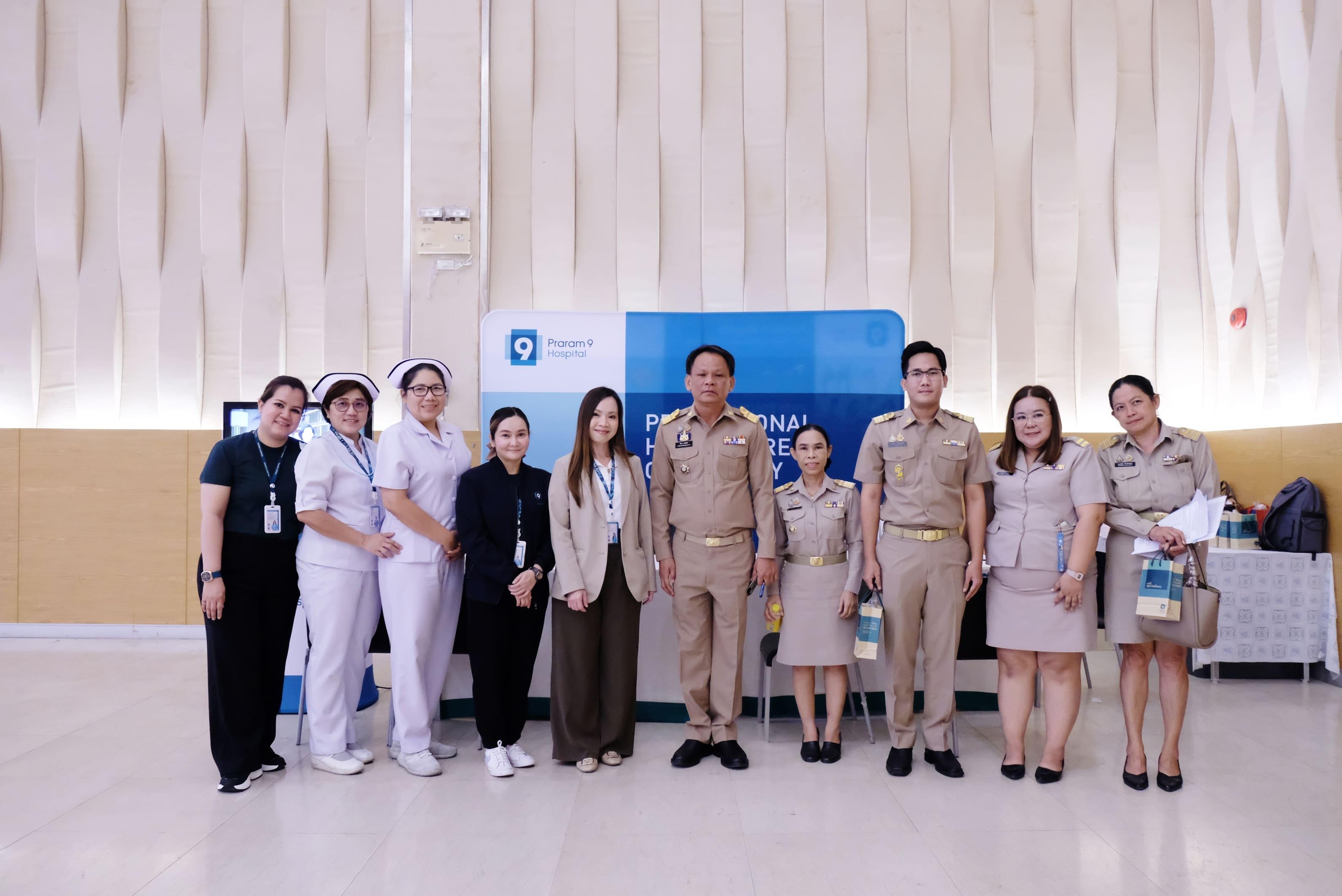
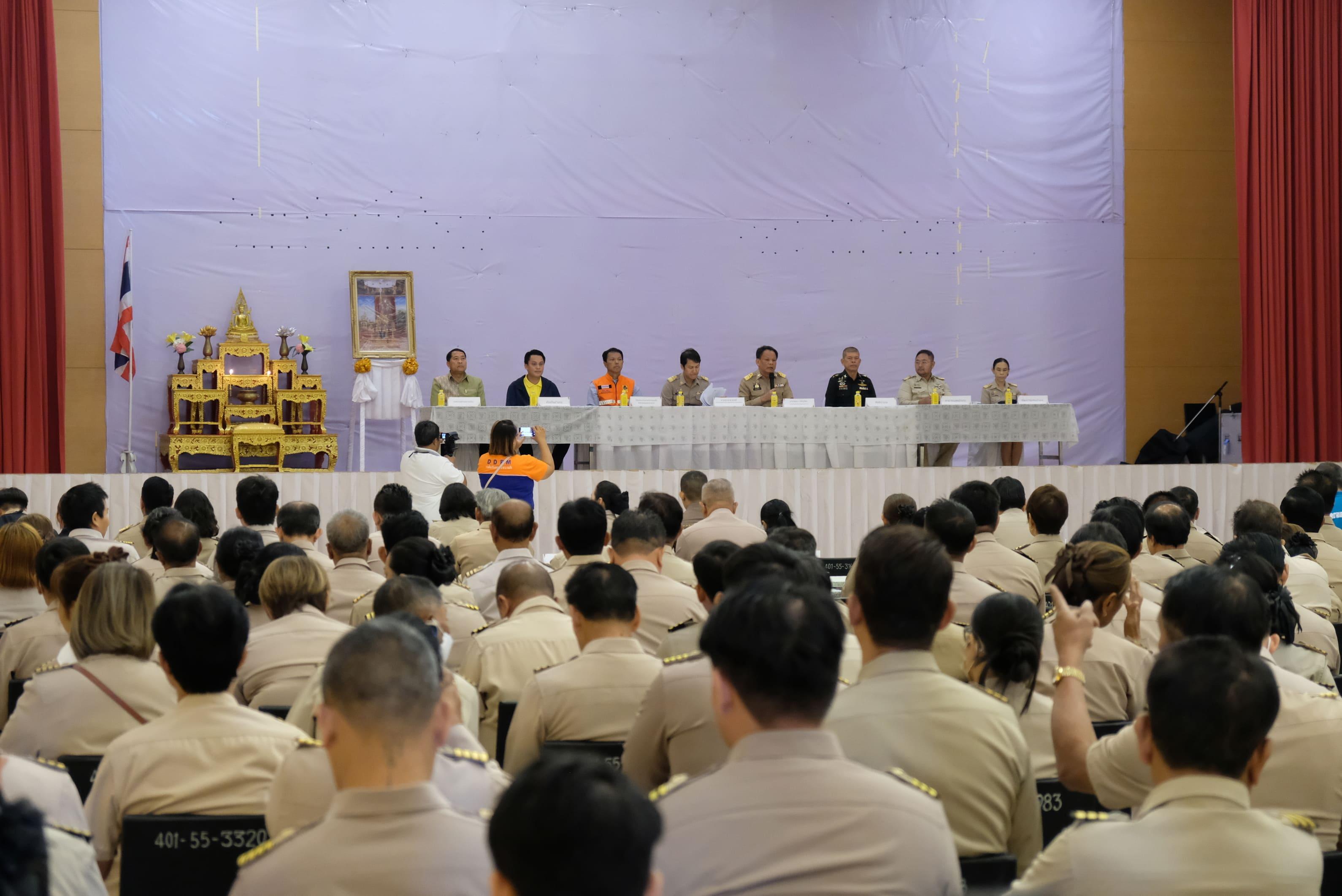
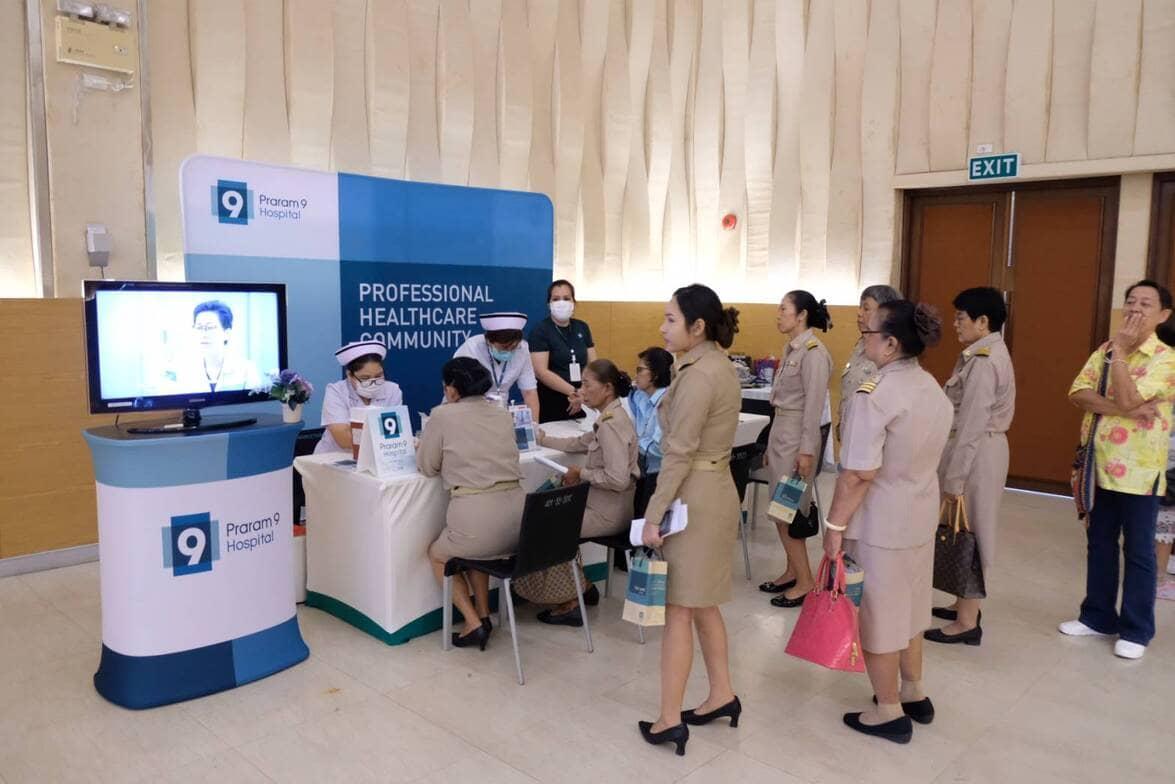
2. Health Check-up Project at CentralWorld Shopping Center
January 20-21: Provided basic health check-ups and blood sugar level measurements to the general public at CentralWorld Shopping Center, with service recipients.
148 individuals.
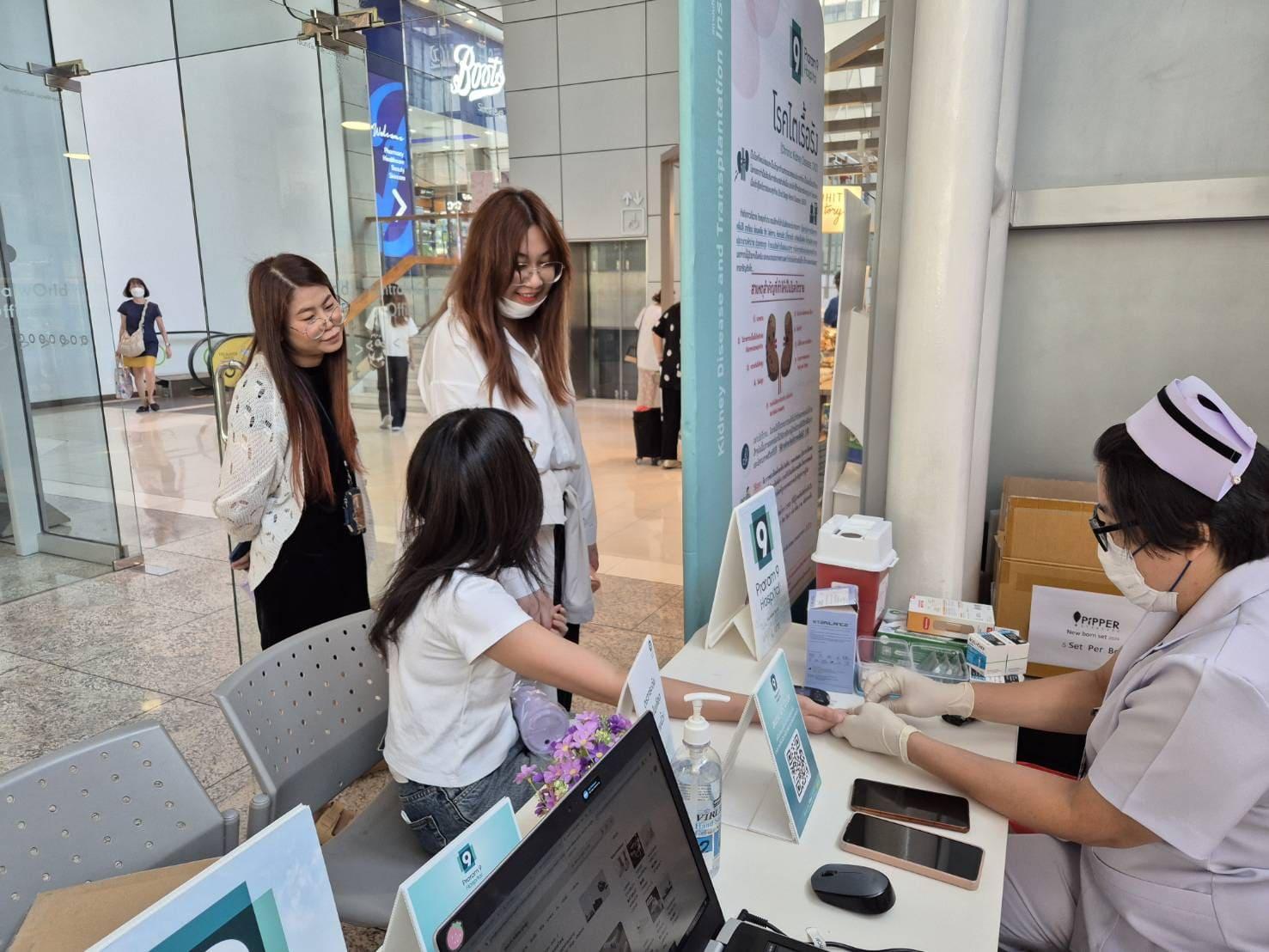
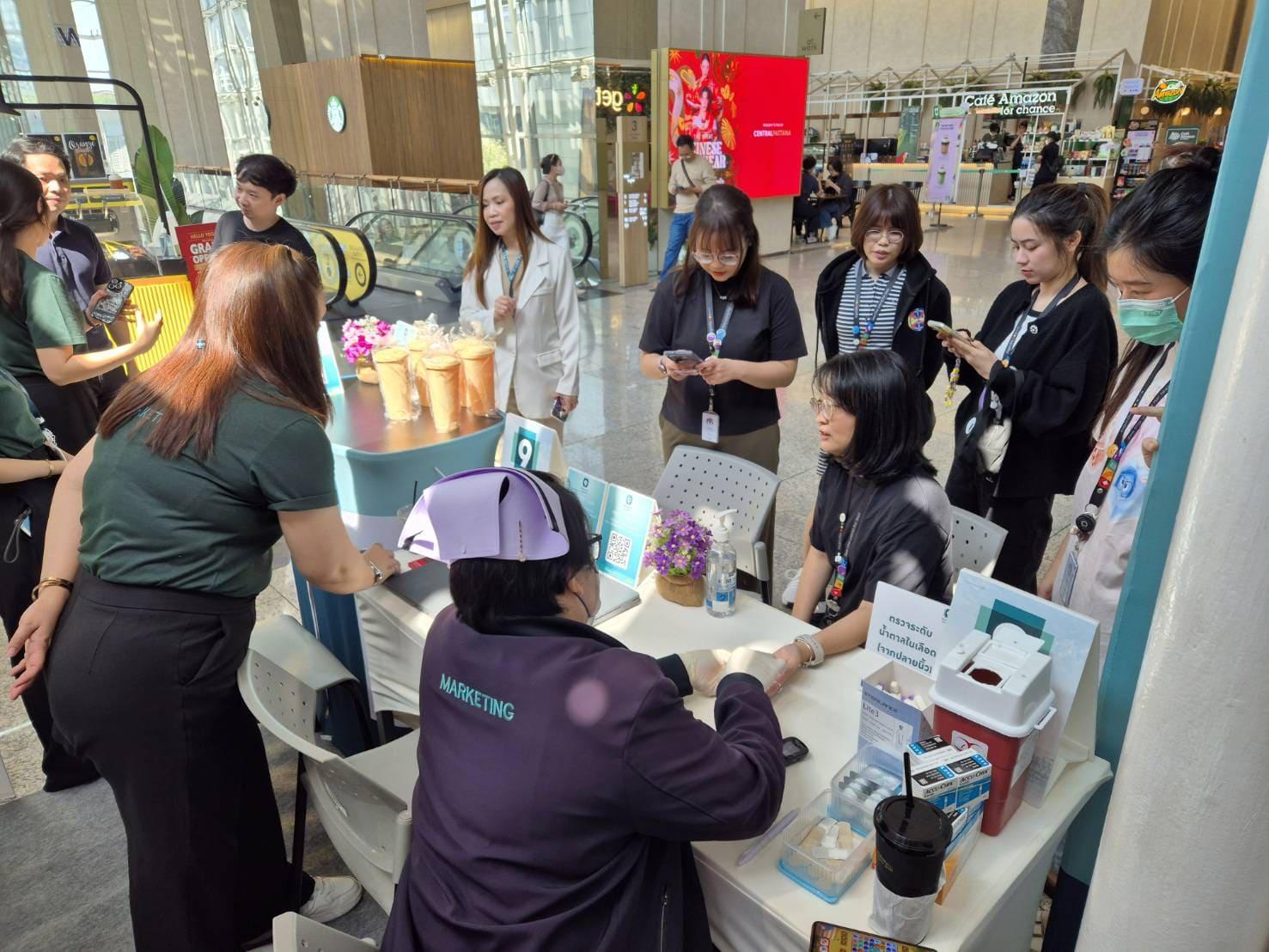
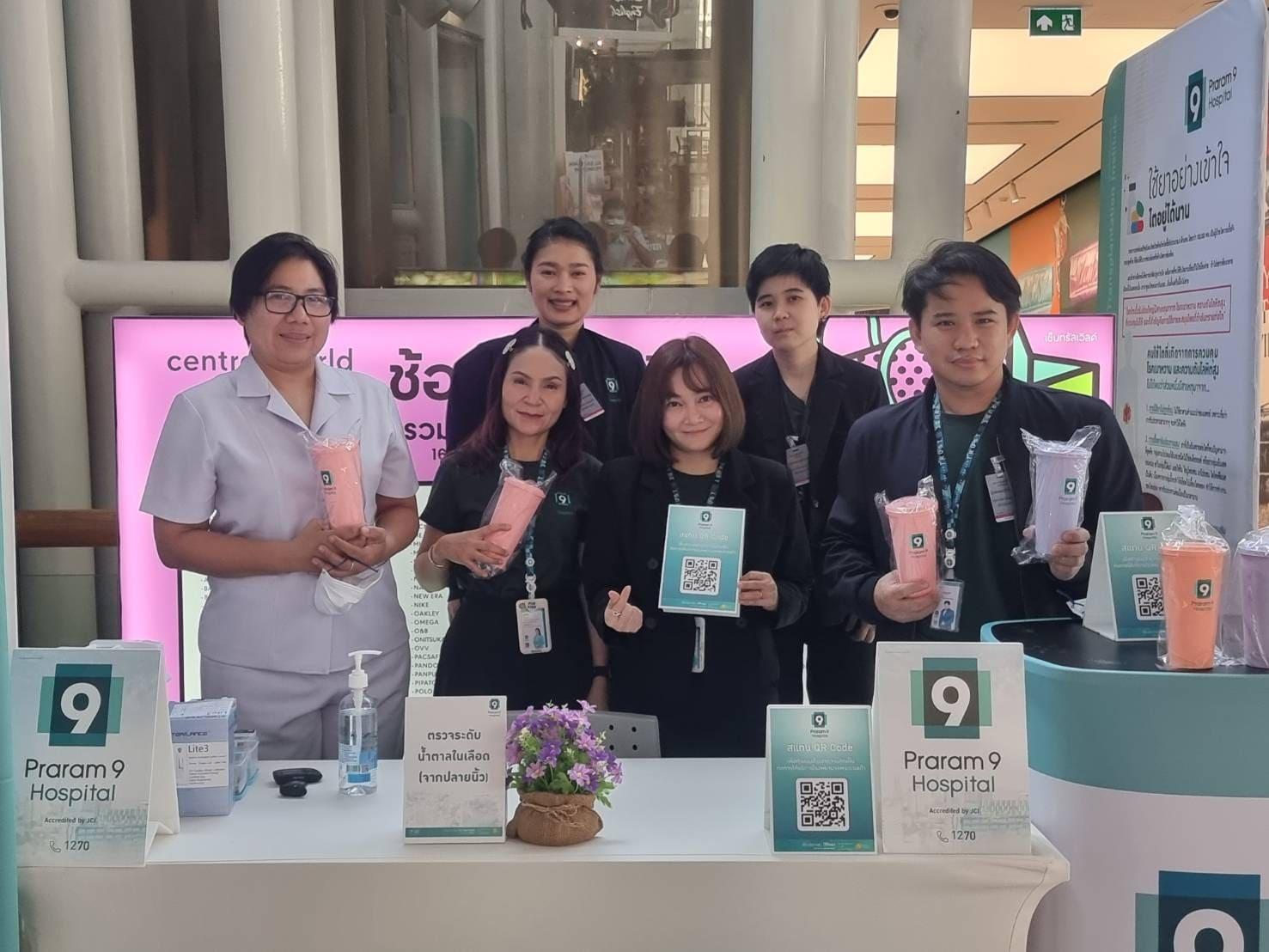
3. Public Health Check-up Project at the Nurses' Dormitory of Praram 9 Hospital.
January 26: Provided basic health check-ups, blood pressure measurements, and blood sugar level tests to the public near the nurses' dormitory of
Praram 9 Hospital had 7 participants from the Supalai Wellington project meeting.
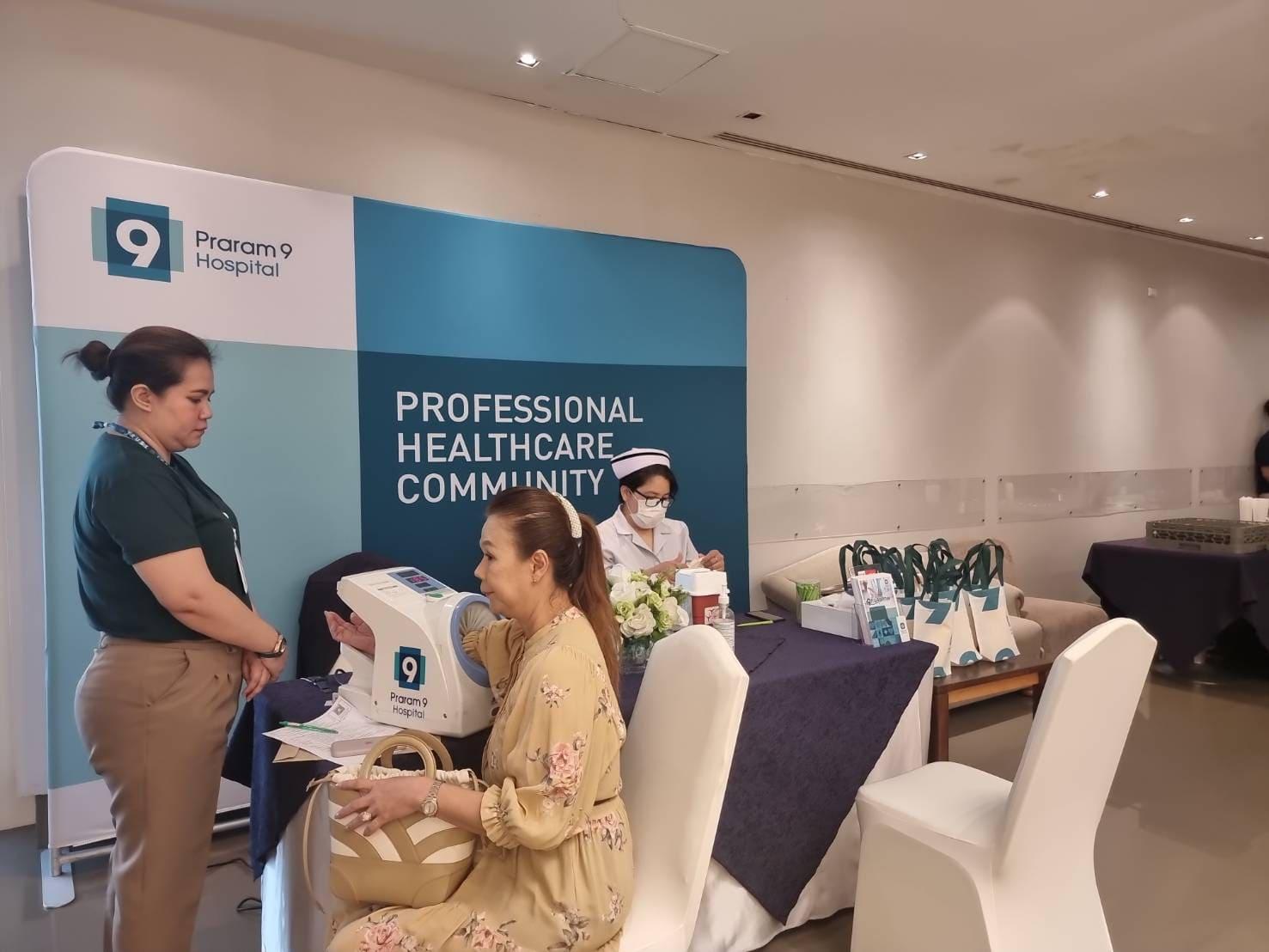
4. Health Check-up Project for representatives of Muang Thai Insurance Co., Ltd.
February 5: Provided basic health check-ups, blood pressure measurements, blood sugar level tests, body composition measurements, and peripheral nerve stimulation with electromagnetic therapy to 98 representatives of Muang Thai Insurance Co., Ltd.
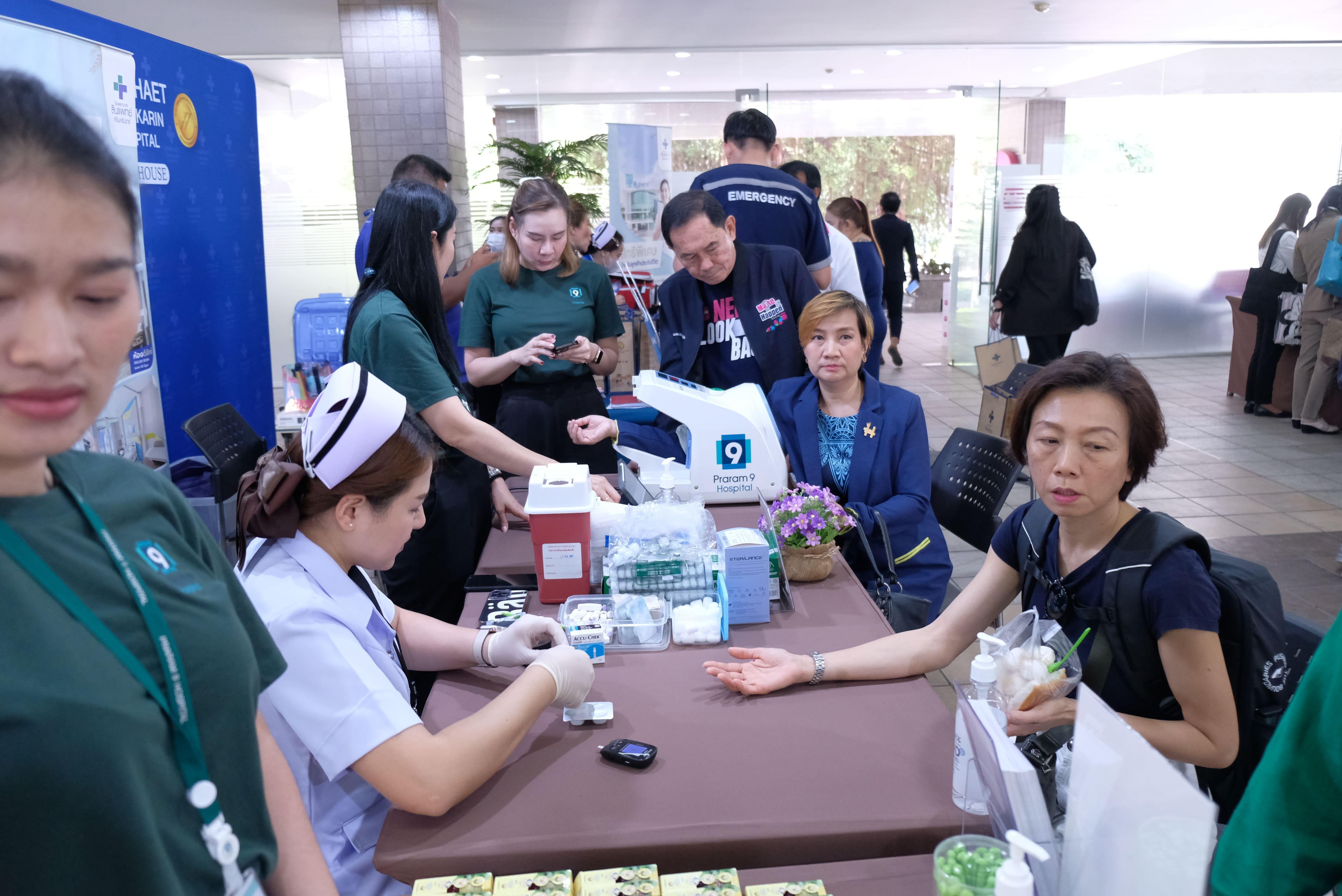
5. Volunteer Medical Unit Project for Merit-Making
February 9: The Volunteer Medical Project for Monks' Health Check-ups was organized as a merit-making offering to His Holiness the Supreme Patriarch. It included an influenza vaccination clinic activity to promote health and prevent disease for monks and related individuals, with 350 individuals receiving services.
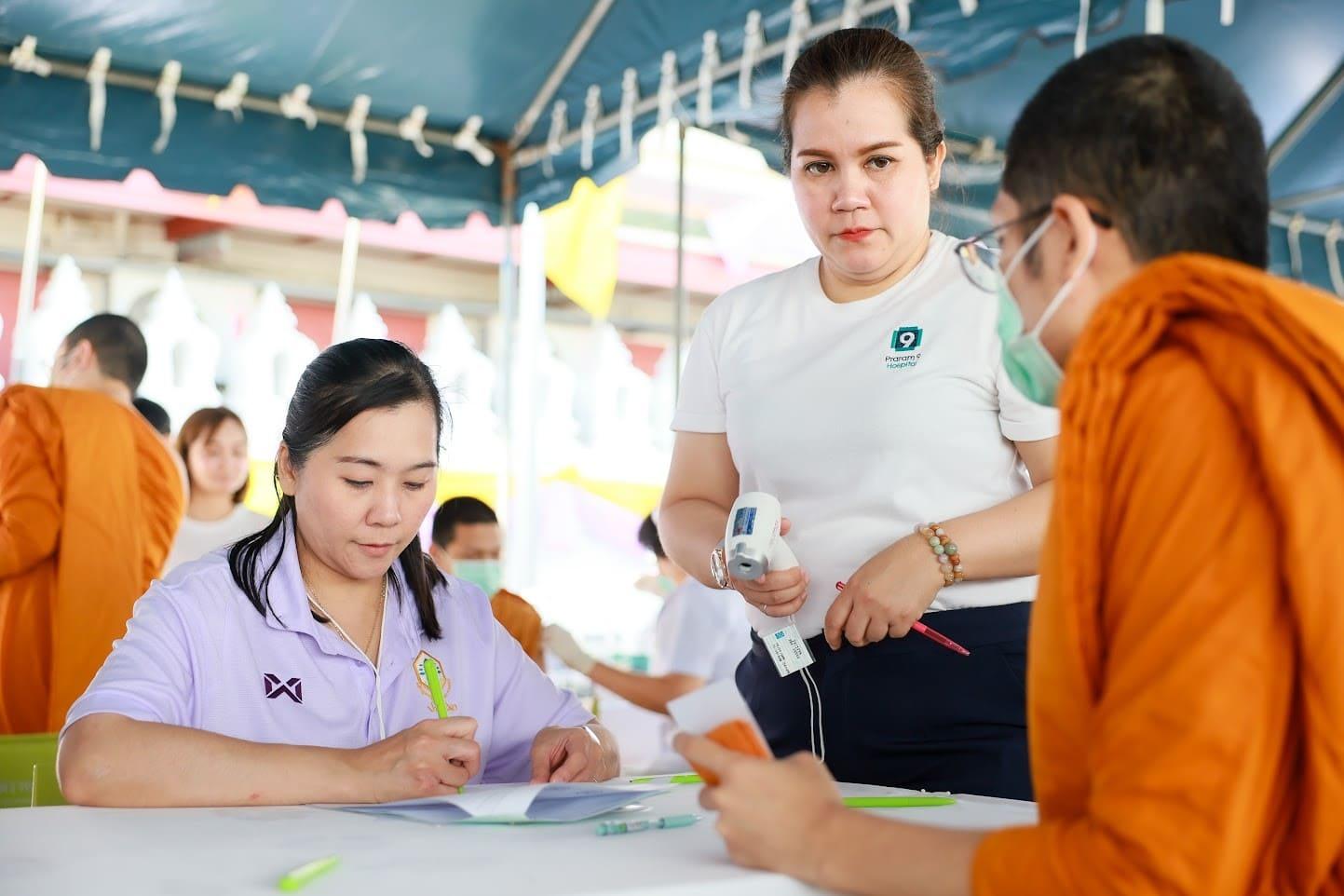
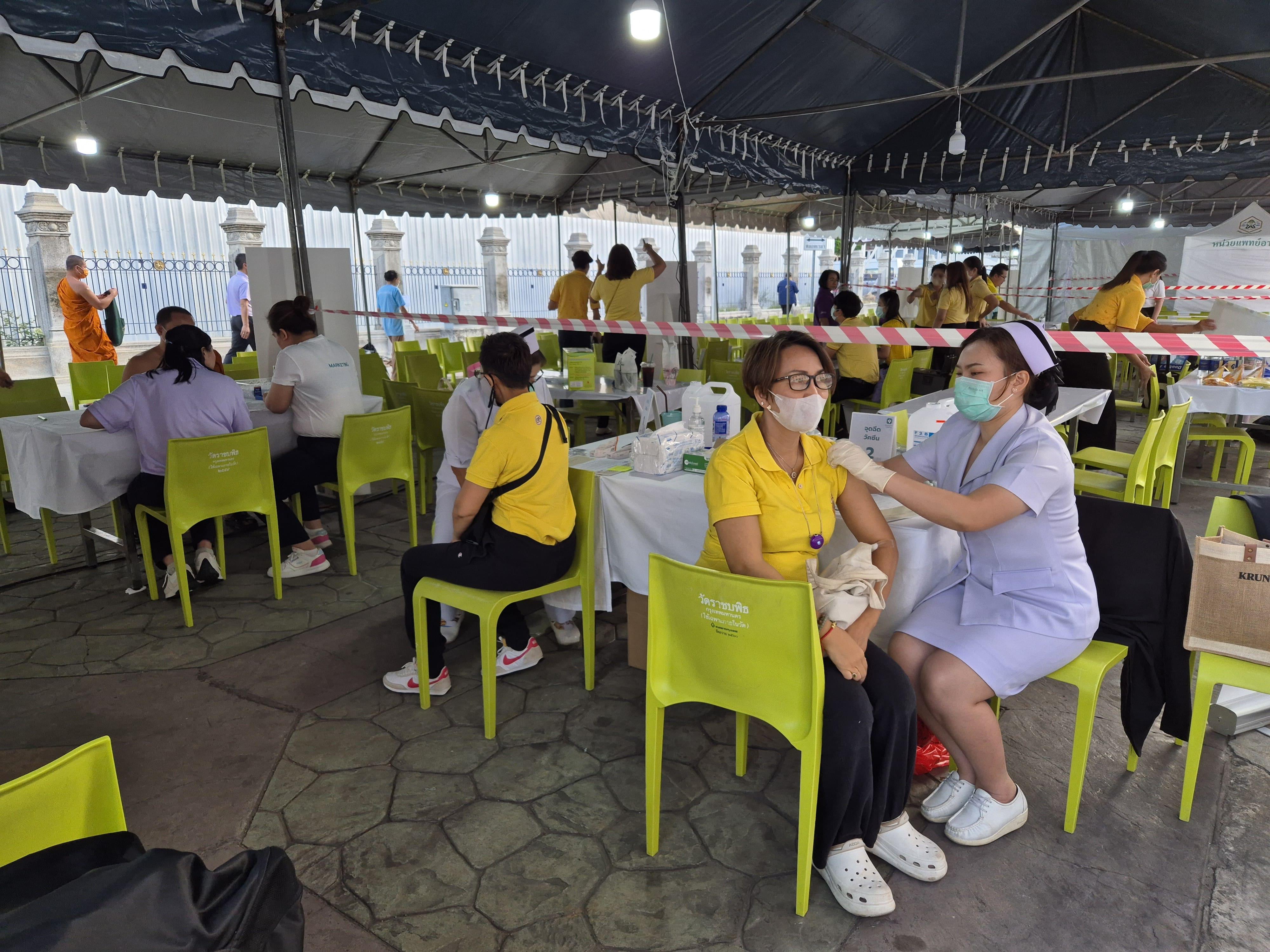
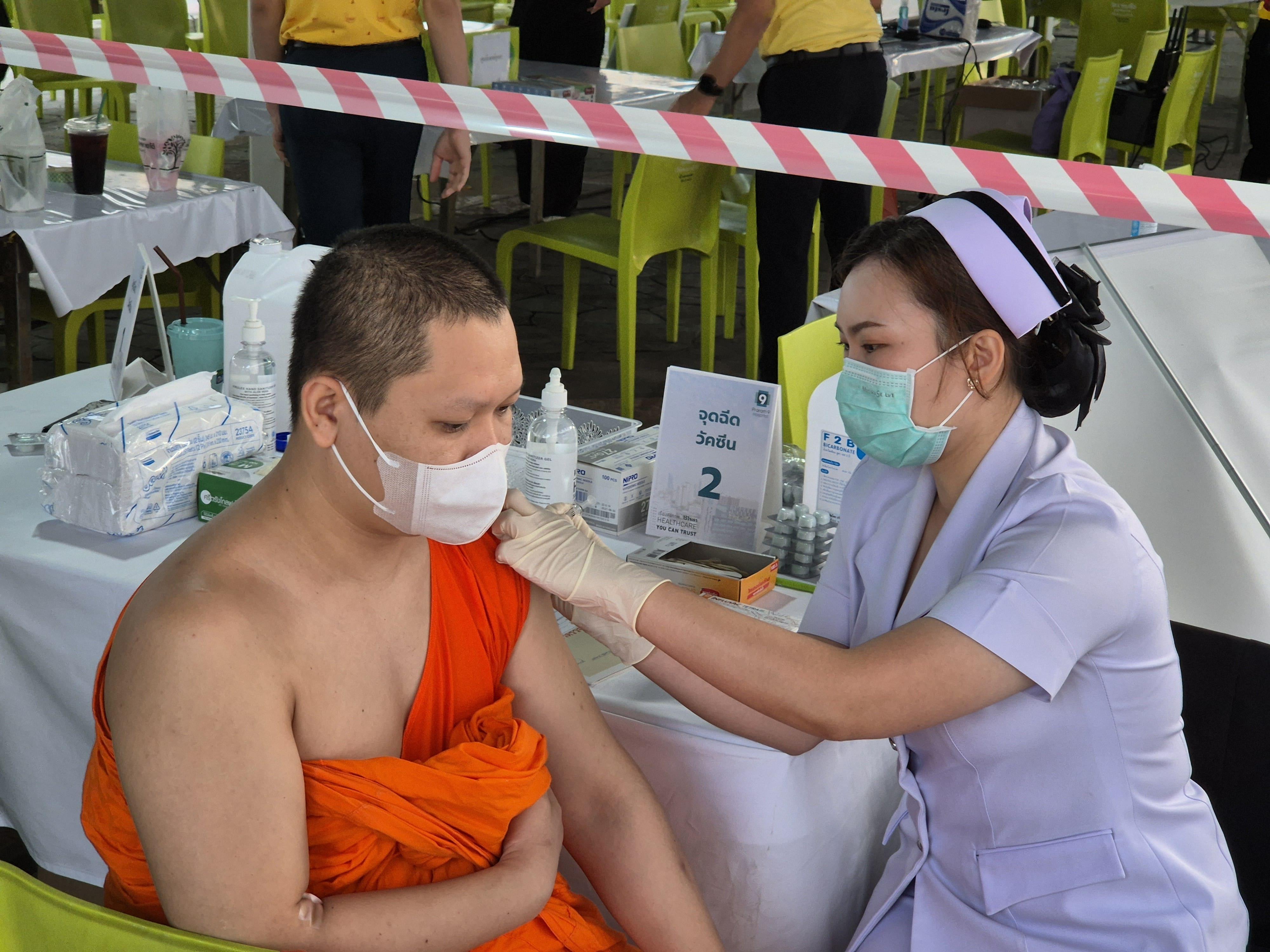
6. Volunteer Medical Unit Project for Influenza Vaccination at Wat Phra Ram 9.
February 11: Influenza vaccination clinic activity to promote health and prevent disease for monks and related individuals at Wat Phra Ram 9 Kanchanaphisek, with 33 individuals receiving services.
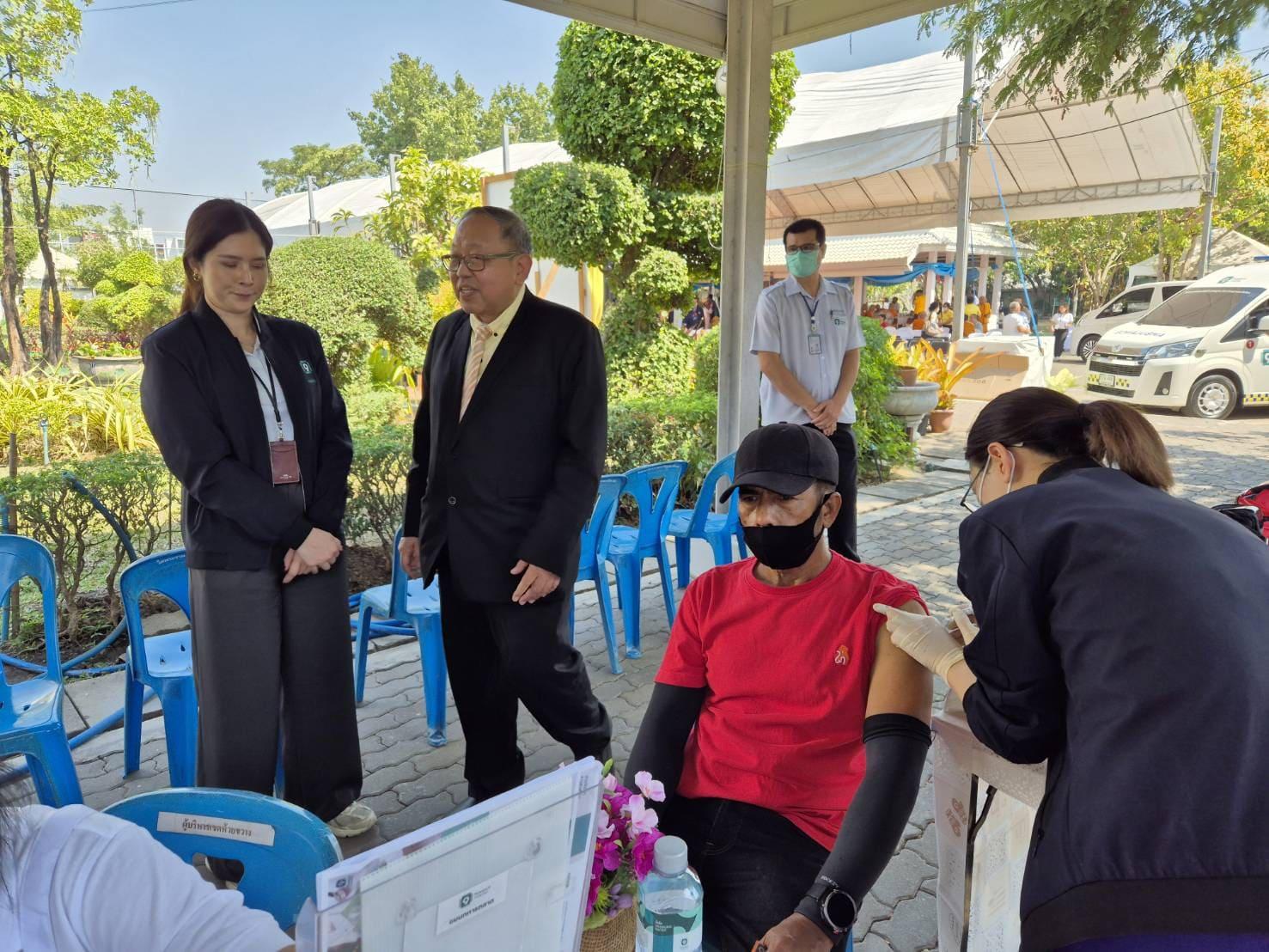
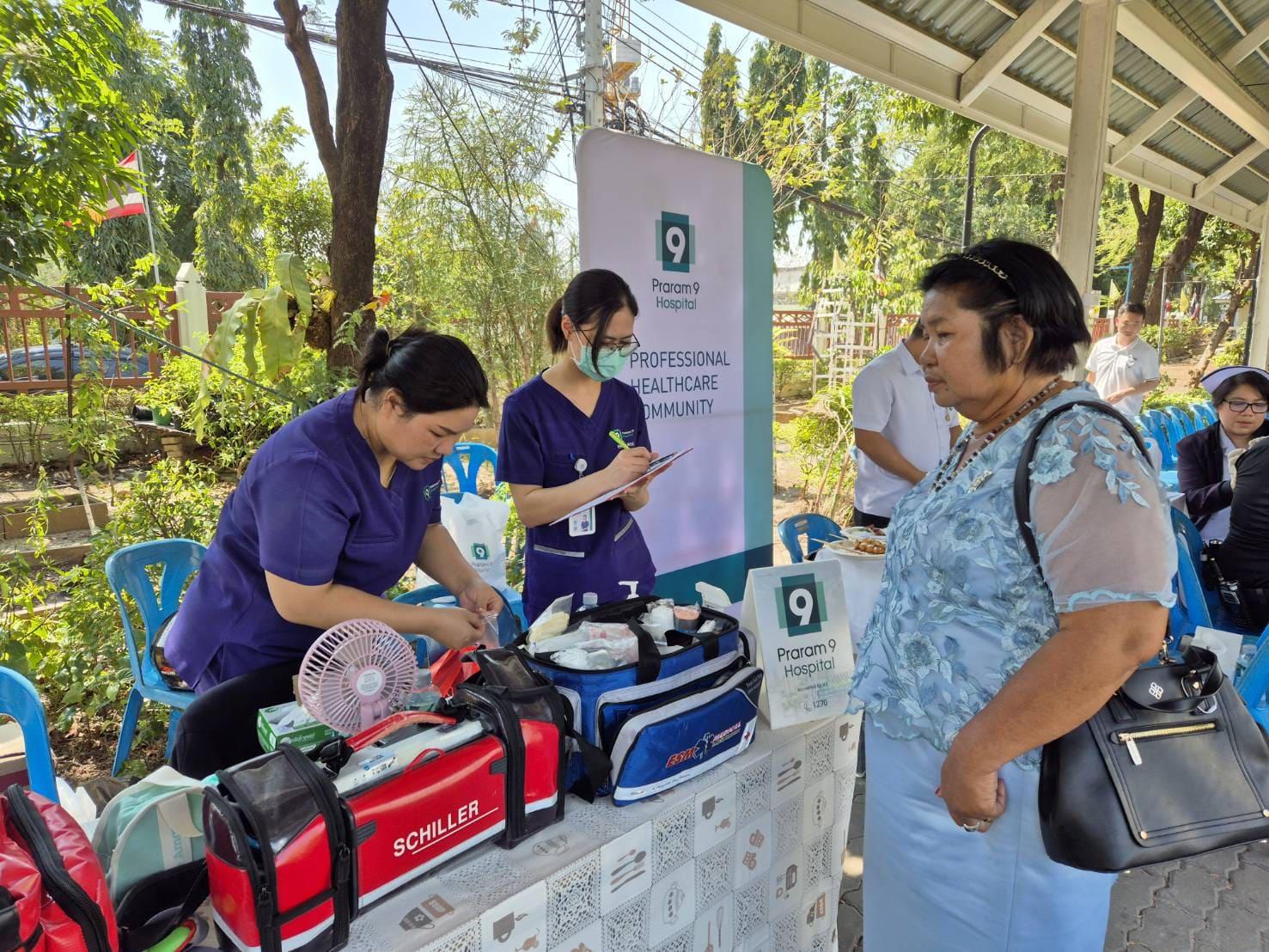
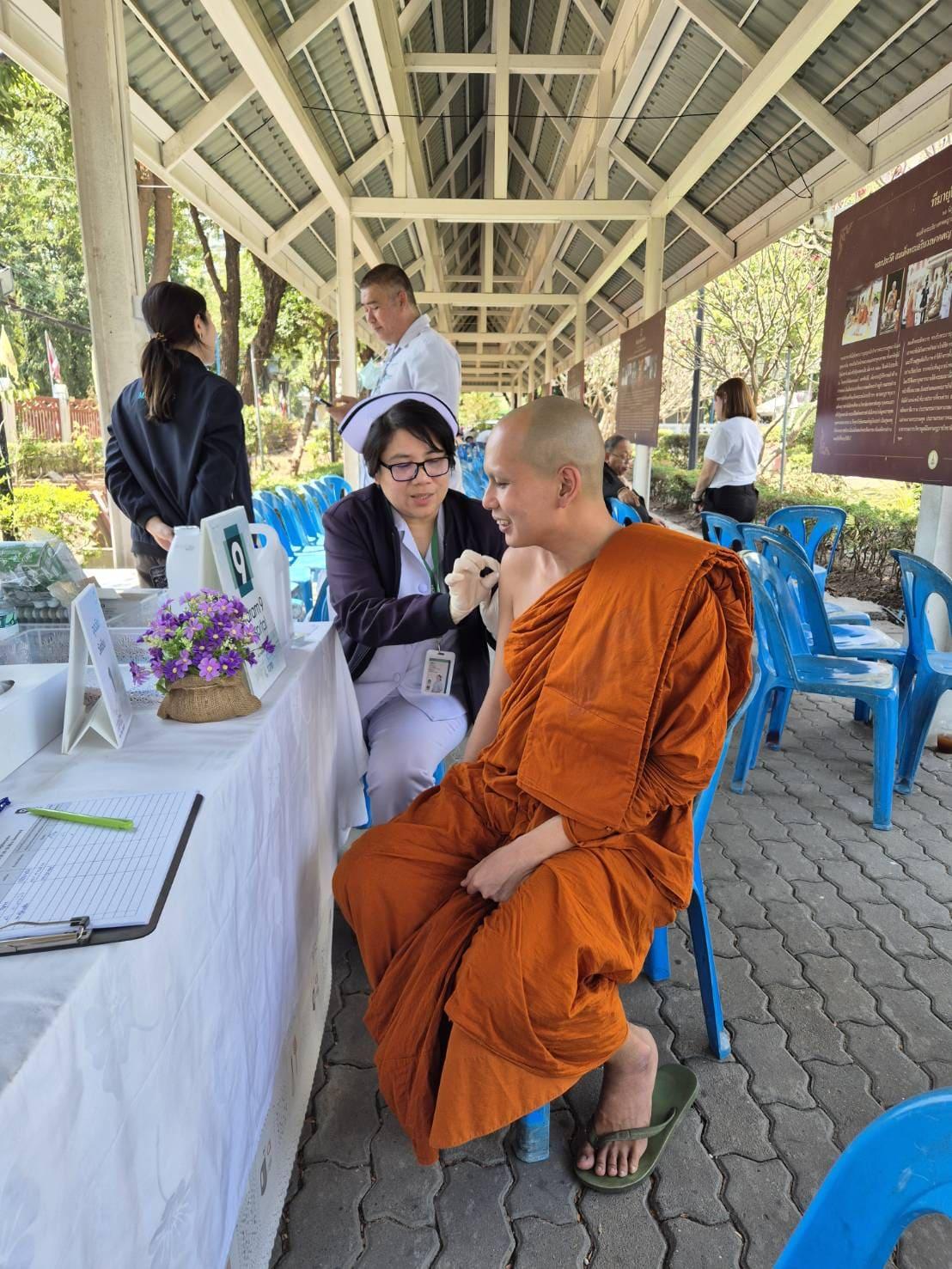
7. First Aid Unit for 3X3 Basketball Event.
March 14-16: Provided basic first aid unit with ambulance standby at the 3x3 Basketball event. 12 individuals received services, and 2 were referred to Praram 9 Hospital for further treatment.
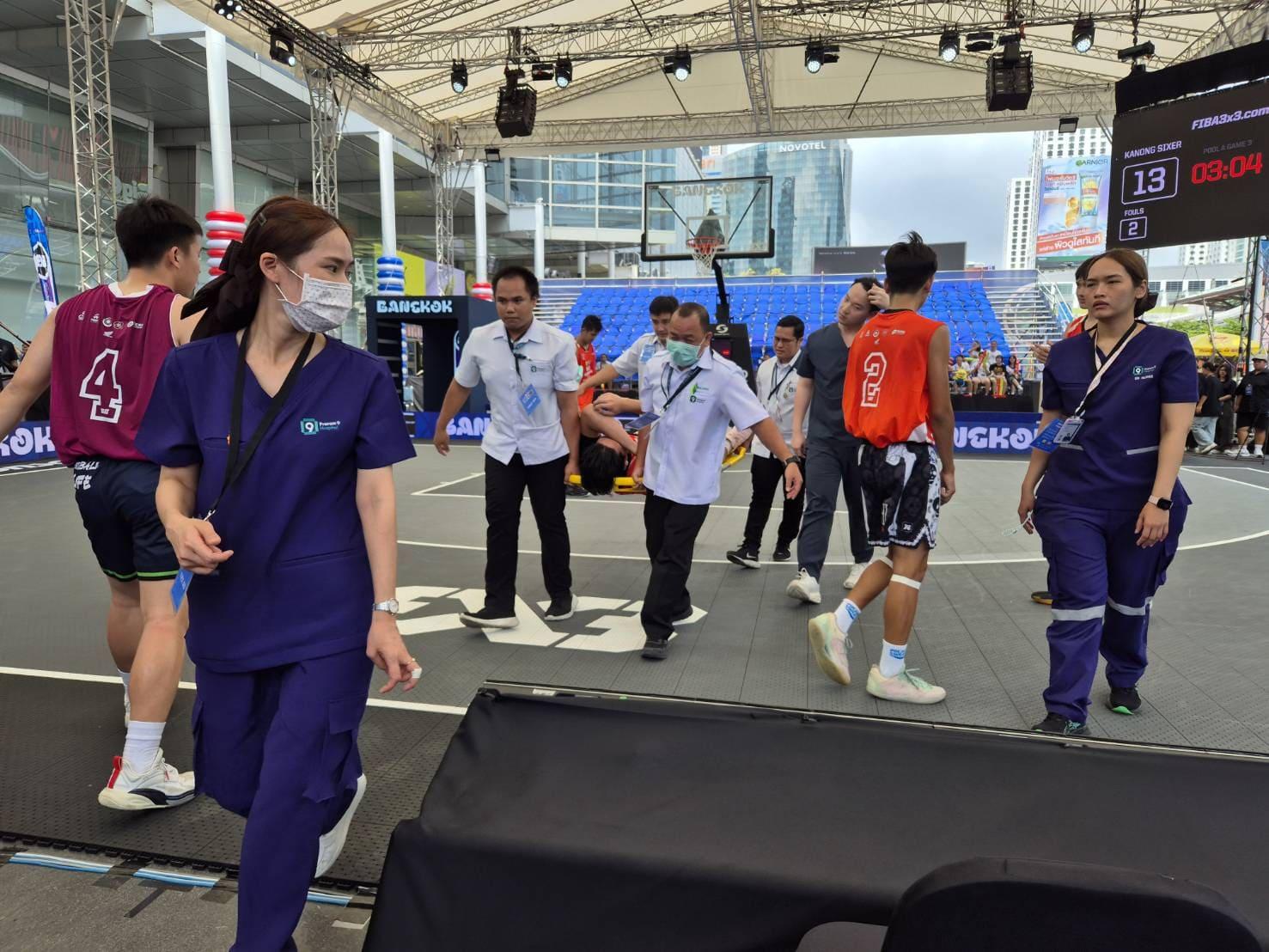
8. Public Health Check-up Project at Perfect Place Village.
March 22: Provided basic health check-ups, blood pressure measurements, and basic health care knowledge to 52 members of the general public at Perfect Place Village.
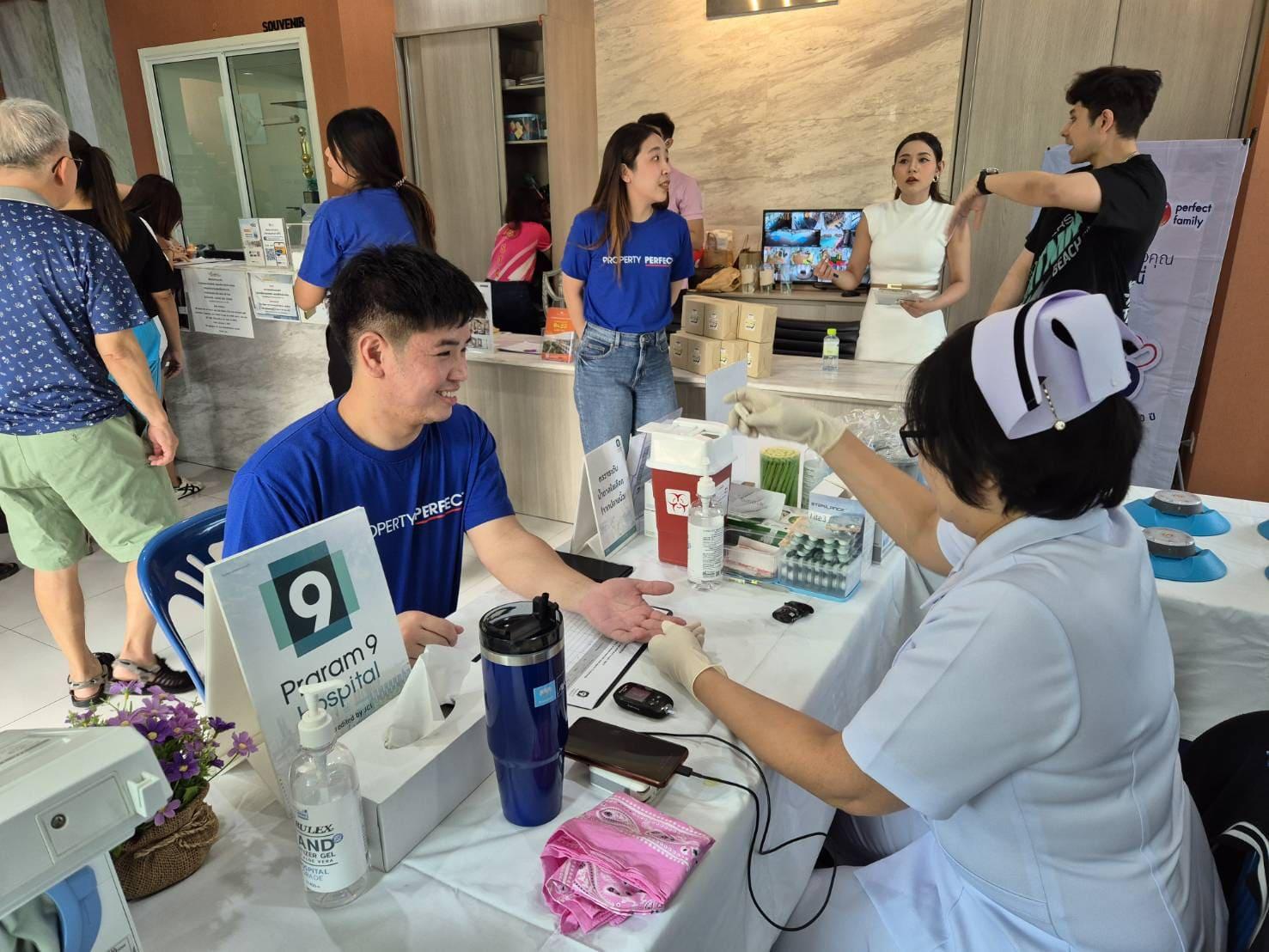
9. First Aid Unit Event Black & White and Run
March 30: Provided first aid unit with ambulance standby and basic health check-ups at the Black & White and Run event. The first aid unit with emergency vehicle and reaction time test for the body's response to stimuli served 100 individuals.
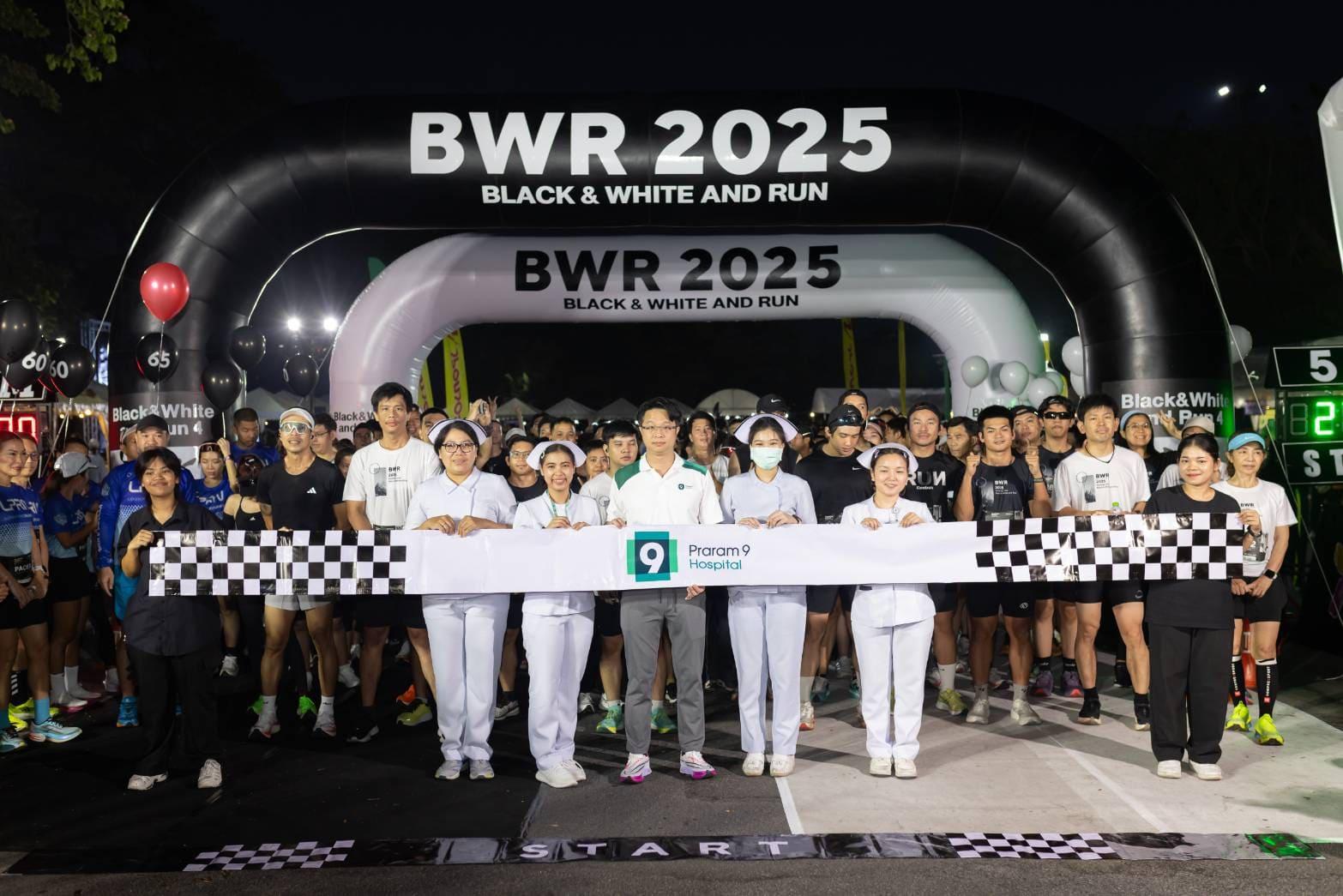
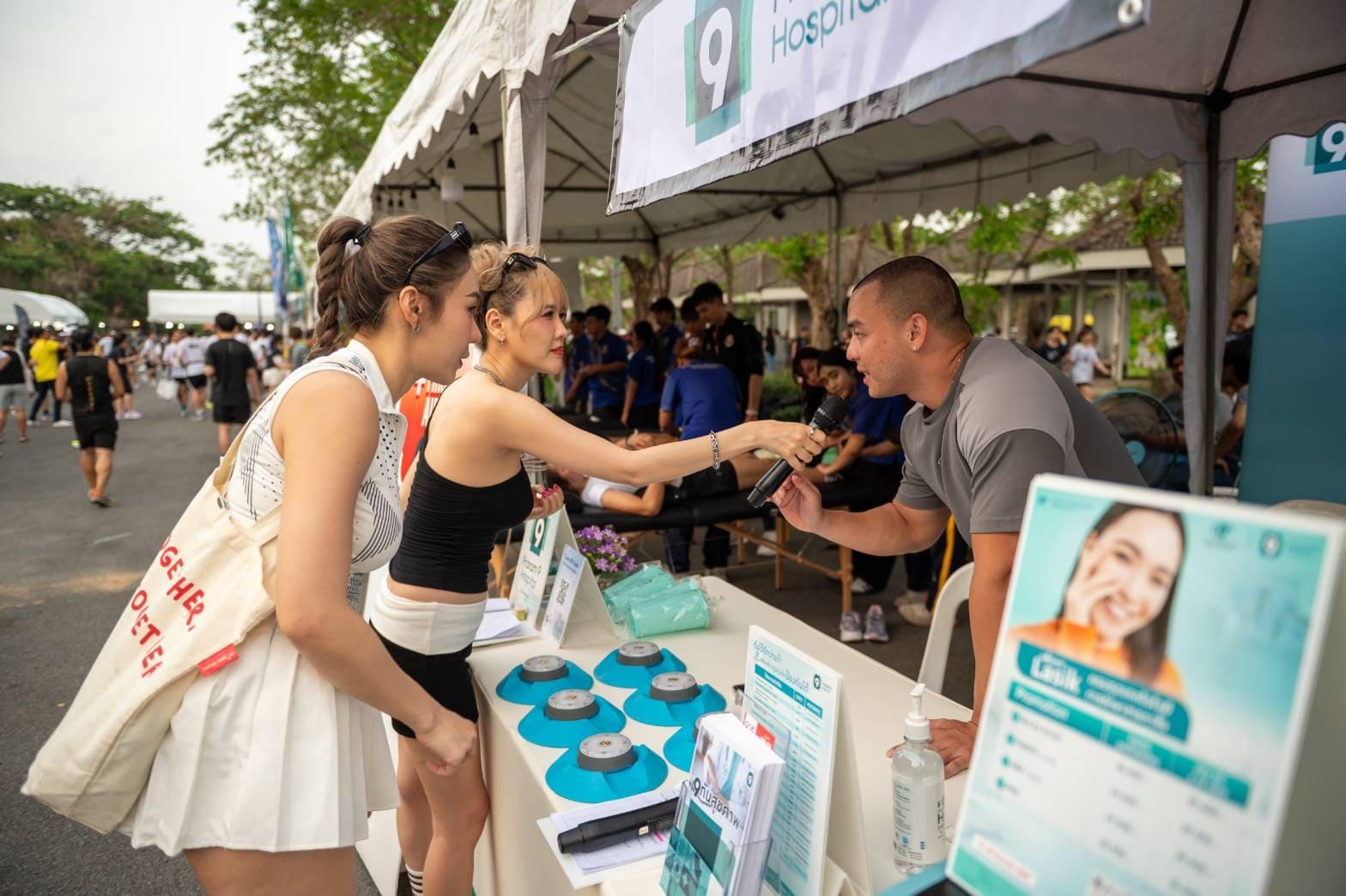
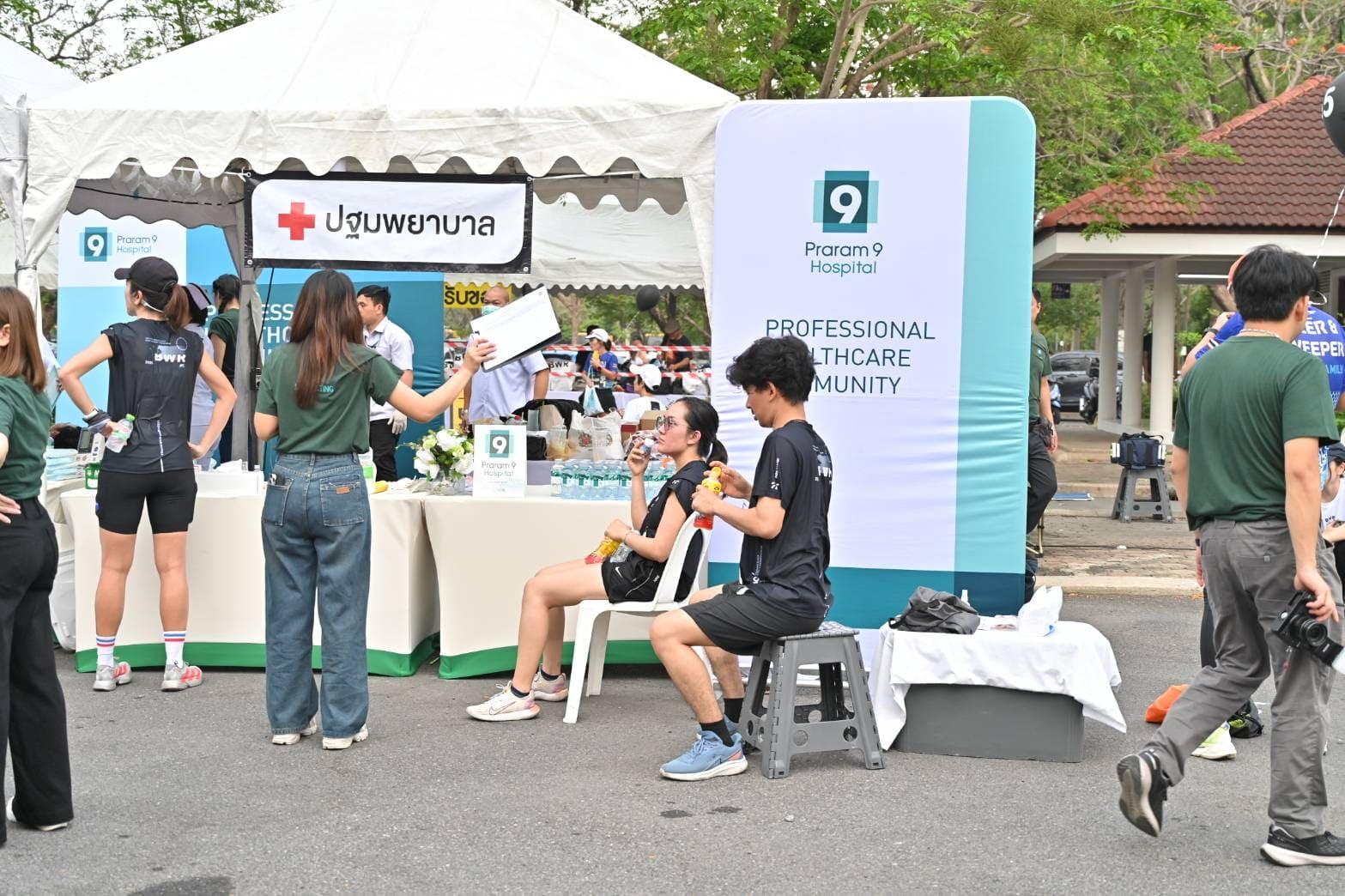
10. Public Health Check-up Project at the Pheu Thai Party.
April 8: Provided basic health check-ups, blood pressure measurements, and blood sugar level tests to 50 party executives and members of the Pheu Thai Party.
11. Public Health Check-up Project at Perfect Place Village.
April 26: Provided basic health check-ups, blood pressure measurements, and basic health care knowledge to 30 members of the general public at Perfect Place Village.
12. Public Health Check-up Project at B Medex Co., Ltd.
May 1: Provided basic health check-ups to 103 employees of B Medex Co., Ltd.
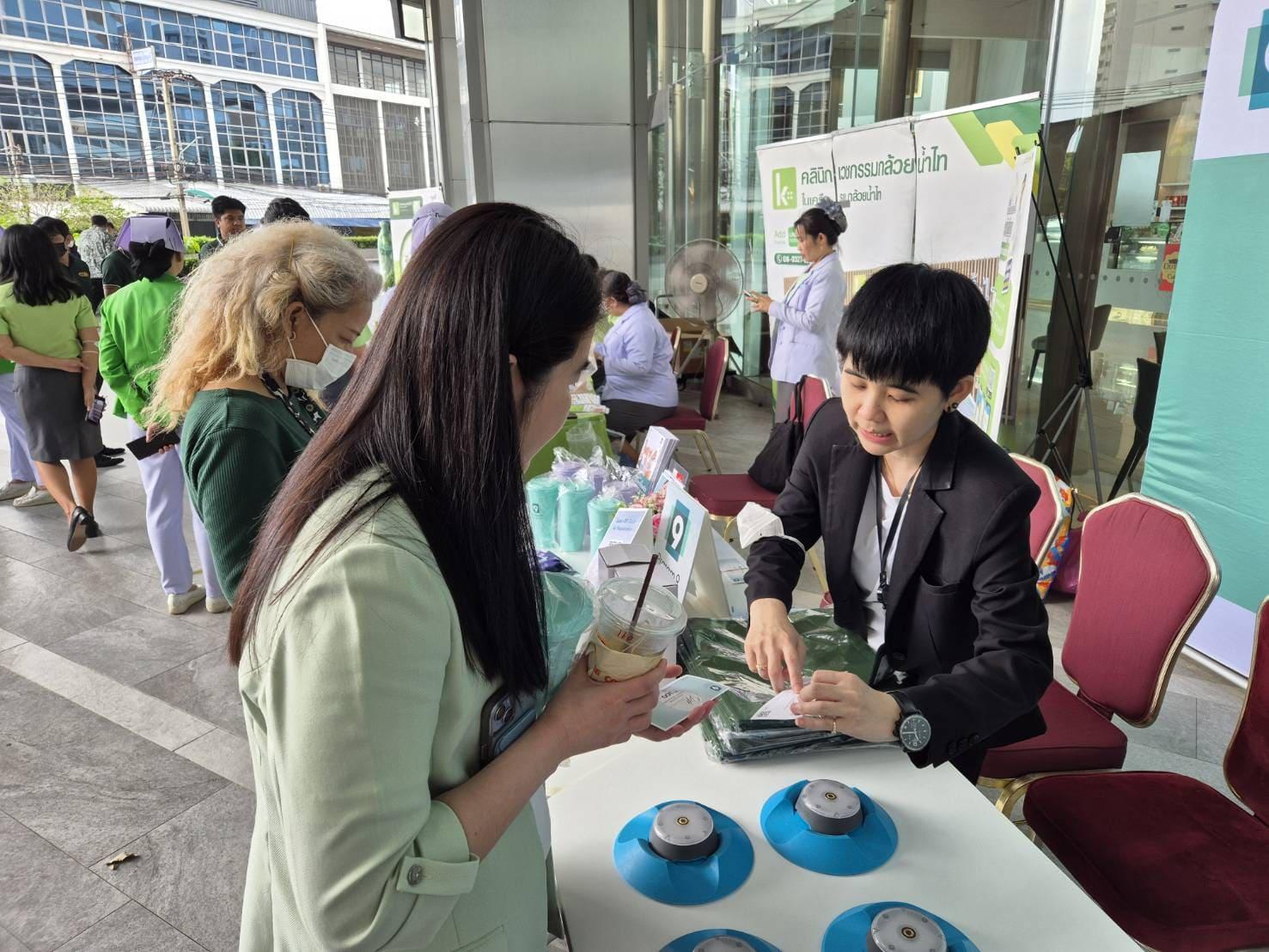
13. First Aid Unit Event Toyota Thailand Open 2025
May 13-18: Provided first aid unit with ambulance standby and basic health check-ups at the Toyota Thailand Open 2025 event.

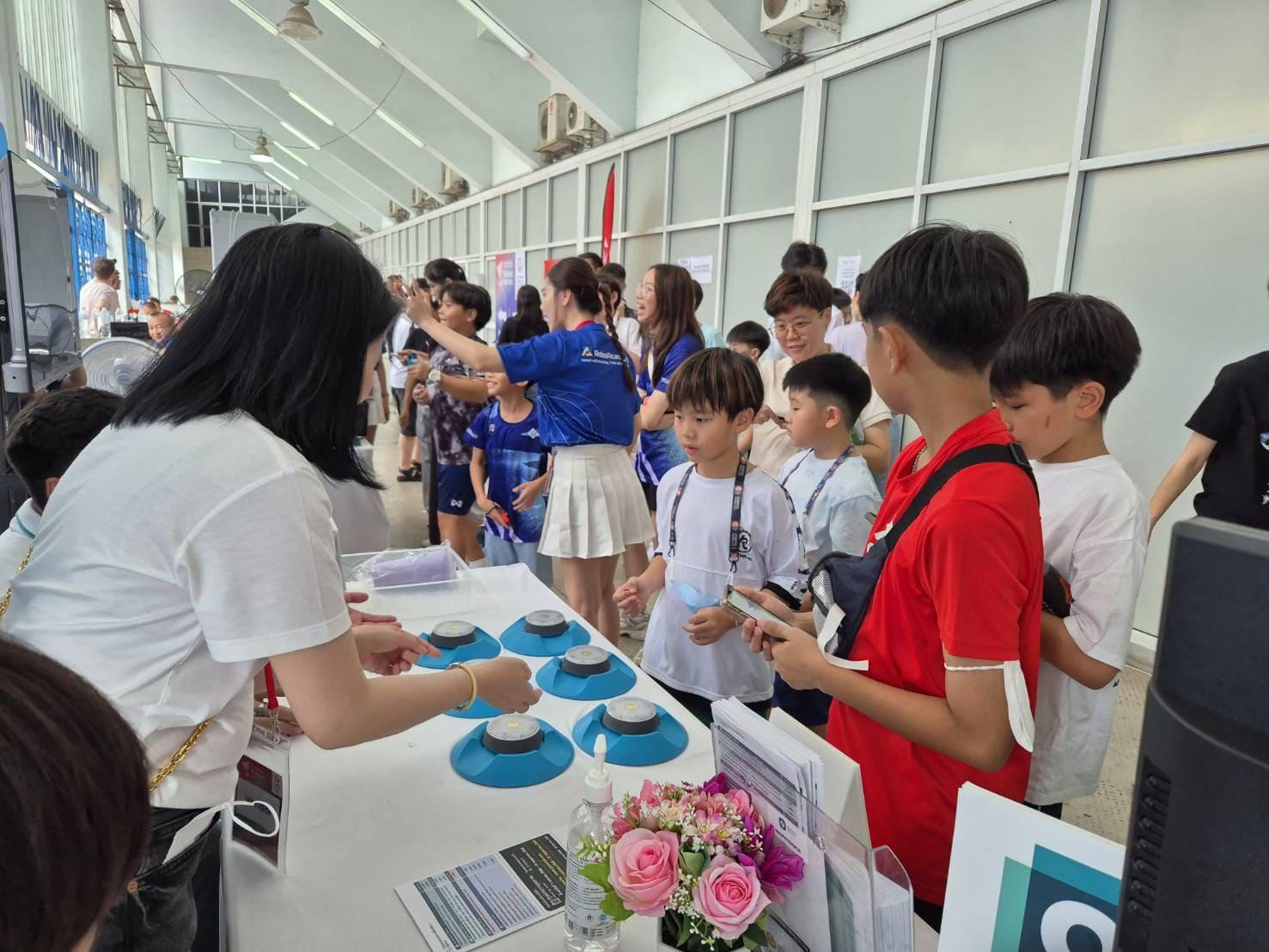
14. First Aid Unit Event National Red Swan Day.
May 25: Provided basic first aid unit at the National Red Swan Day event.
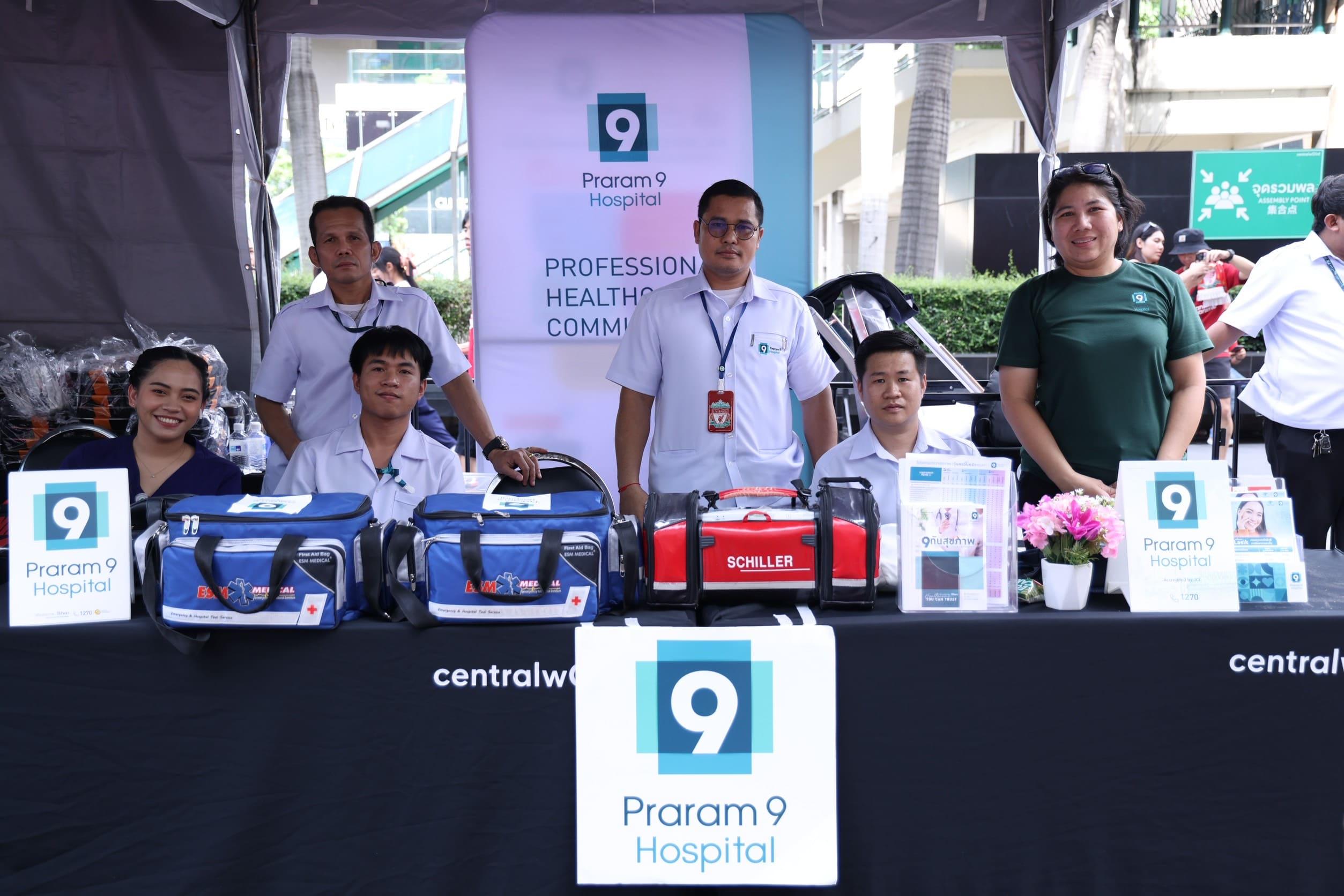
15. First Aid Unit Event Fitness First force 2025
June 6-8: Provided basic first aid unit with ambulance standby at the Fitness First force 2025 event, with service recipients.
19 individuals, with 1 referred for further treatment at Taksin Hospital.

16. Public Health Check-up Project
June 6: Provided basic health check-ups, blood pressure measurements, and basic health care knowledge at the MDRT event for Muang Thai Life Assurance Co., Ltd.
17. Public Health Check-up Project at the 'Caravan of Charming Cities, Eat & Enjoy @ Nakhon Nayok' event.
August 9: Provided basic health check-ups and blood pressure measurements at the 'Caravan of Charming Cities, Eat & Enjoy @ Nakhon Nayok' event. Supported health check-up packages for the activity, and provided souvenirs and drinking water to participants. There were 98 participants.
18. Public Health Check-up Project at Thai Life Insurance Public Company Limited.
August 9: Provided basic health check-ups, blood pressure measurements, and basic health care knowledge to Thai Life Insurance Public Company Limited.
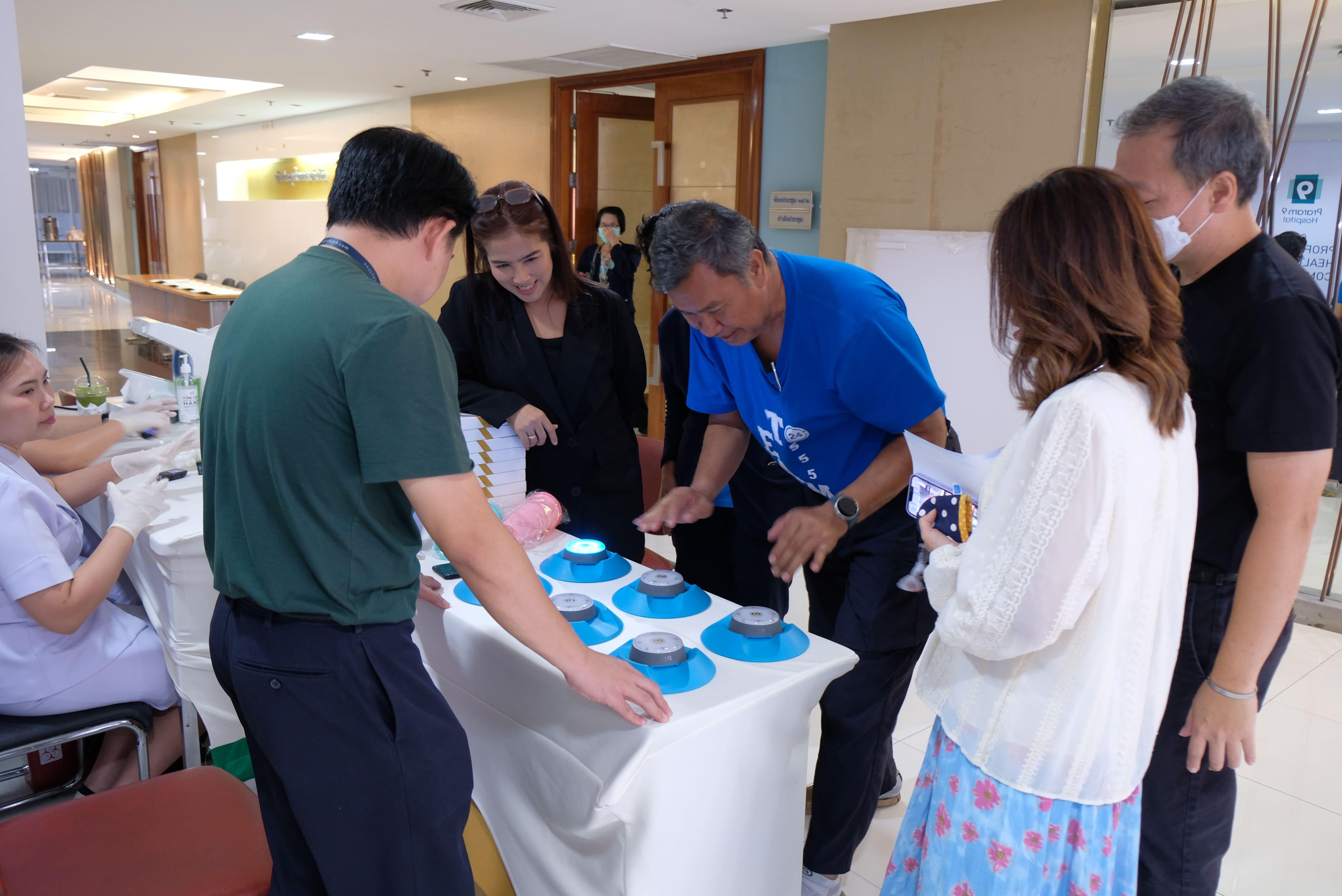
19. Public Health Check-up Project Chang Amateur Open 2025 Event
August 25: Provided basic health check-ups at the Chang Amateur Open 2025 event at Alpine Golf Club, with 30 participants.
Blood pressure measurement.
Blood sugar level measurement.
Pain treatment with shockwave therapy.
Testing the body's ability to respond to stimuli (Reaction Time).
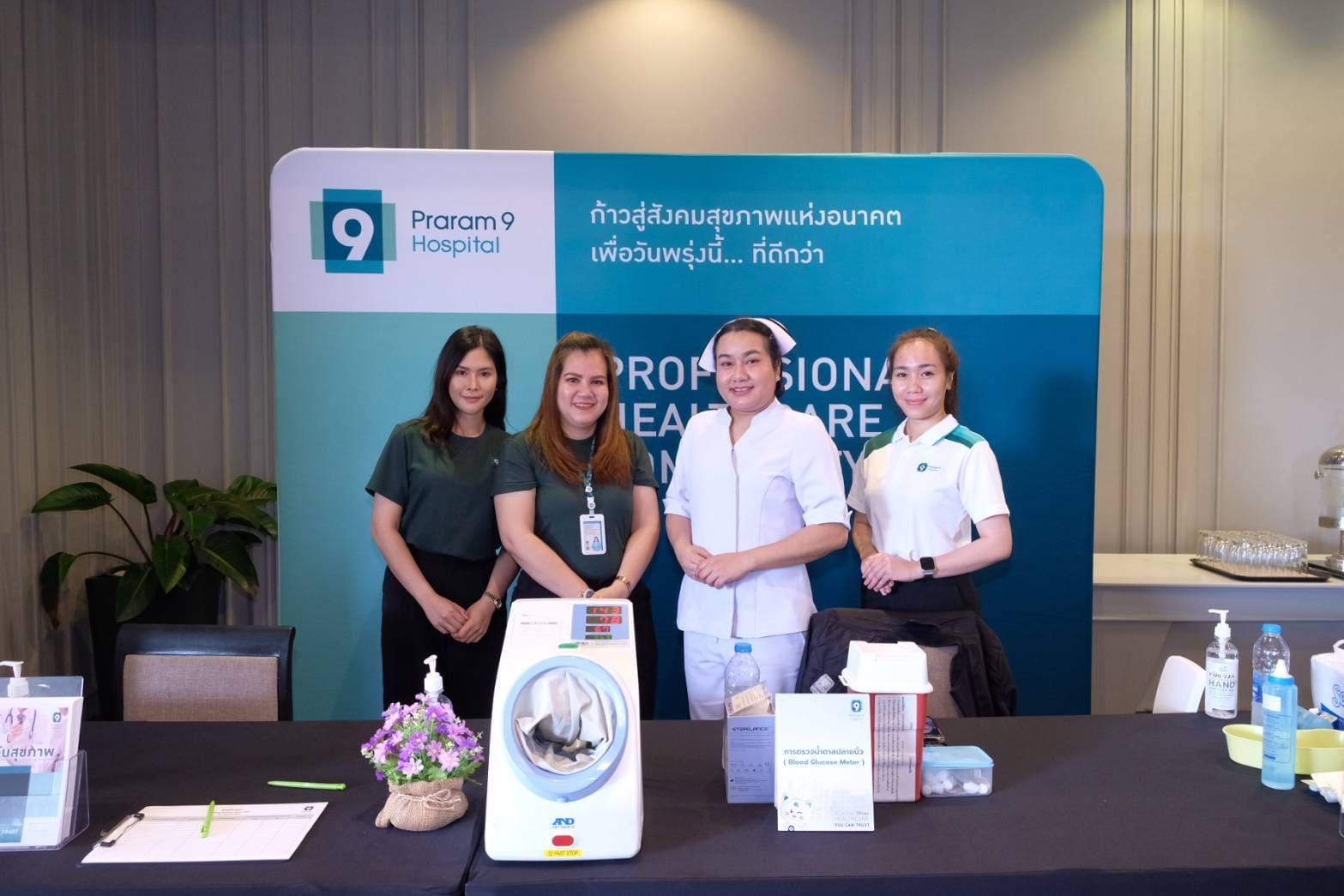
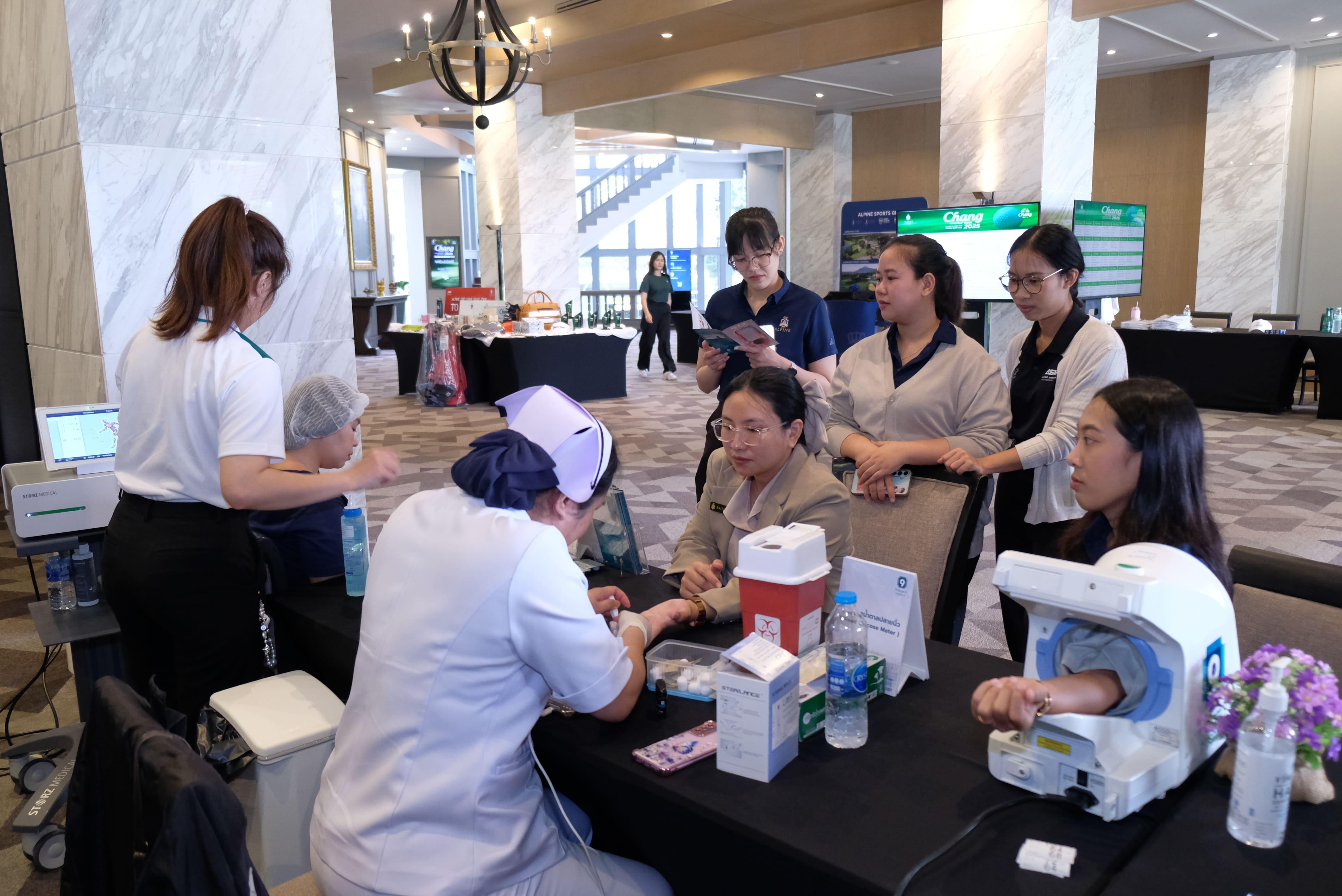
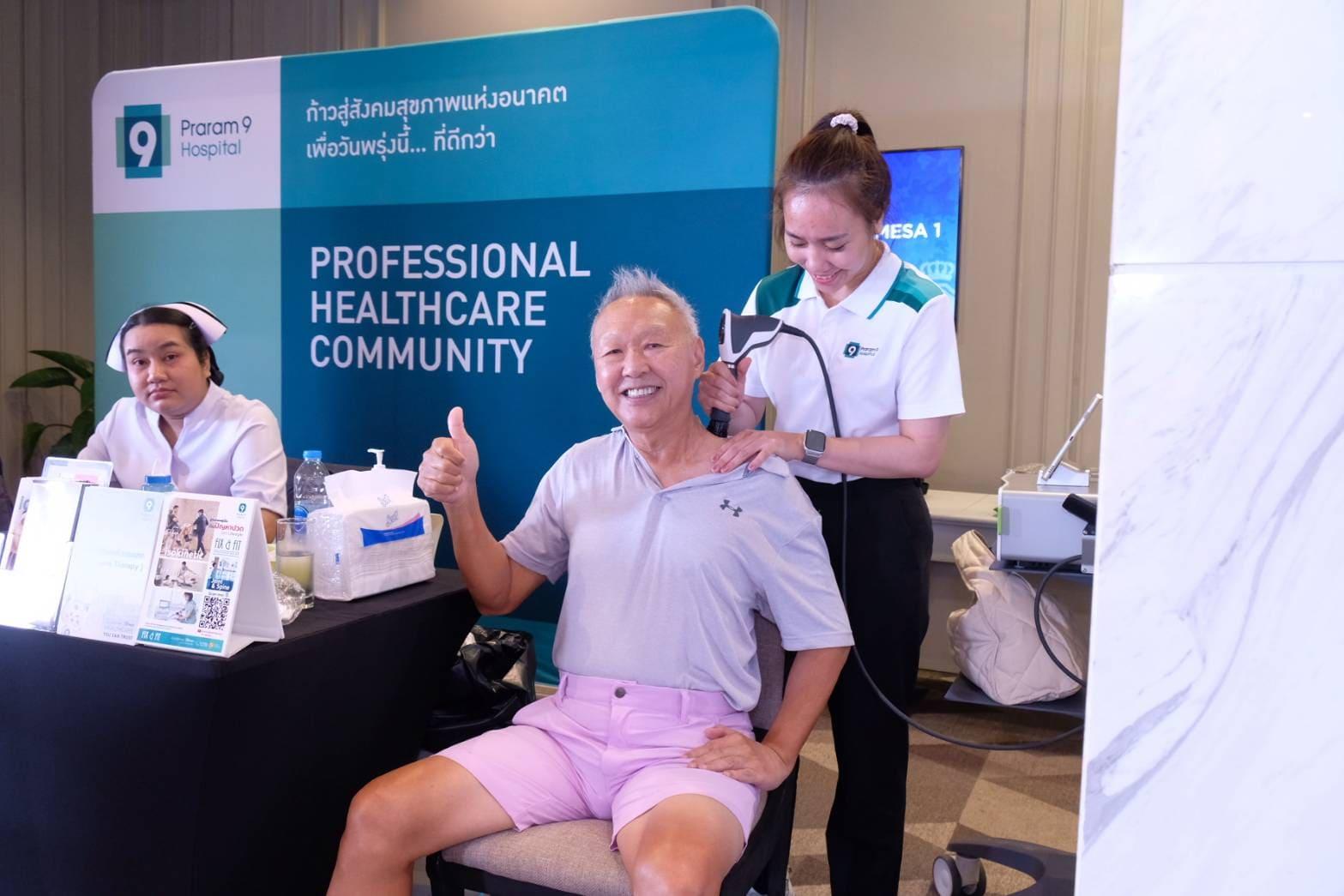
20. Public Health Check-up Project at the event of Charity Golf Tournament of Thanthun Daily Newspaper.
September 22: Provided basic health check-ups at the 2nd Annual Charity Golf Tournament of Thanthun Daily Newspaper at Alpine Golf Club, with 25 participants.
Blood pressure measurement.
Blood sugar level measurement.
Pain treatment with shockwave therapy.
Testing the body's ability to respond to stimuli (Reaction Time).
21. Event Isaan Caravan: Healing the minds of border victims.
September 27: Set up a booth and supported health check-up packages, medicine cabinets + medicines and medical supplies at the "Isaan Caravan: Healing the Minds of Border Victims" event, in collaboration with the Tourism Authority of Thailand, with 98 participants.

22. Public Health Check-up Project at the event of King Power Family Run 2025
September 27: King Power Family Run 2025, with 300 employees and their families participating. Activities at the event included:
Body Mass Index (BMI) measurement
Individual health care recommendations.
Recommend IoT devices + Smartwatches.
Reaction time test.
Recommend @line : Praram9hospital and receive a souvenir.

23. Ordination Project for Monks and Brahmins in Honor of His Majesty.
November 1: Influenza vaccination service under the ordination project for monks and Brahmins in honor of His Majesty, to build immunity, reduce outbreaks, and prevent severe illness in at-risk groups, with 56 individuals receiving vaccinations.
24. First Aid Unit Event TCP-Sponsor run run to refresh
November 2: Provided basic first aid unit with ambulance standby at the TCP-Sponsor run run to refresh event, with 30 individuals receiving services.
25. Public Health Check-up Project at PTT Public Company Limited.
November 10-11: PTT Health Day 2025 activity, providing basic health check-ups and blood pressure measurements to 50 employees of PTT Public Company Limited.
Disease diagnosis activities using Traditional Chinese Medicine (Limited).
Brain training games with souvenirs.

26. First Aid Unit Event Rende vs Asset
November 26: Provided first aid unit with ambulance standby and health promotion activities at the Rende vs Asset event, with 50 participants.
27. Public Health Check-up Project Young Professionals Program (YPP)
November 29: Provided basic health check-ups and Telemedicine connection to the Young Professionals Program (YPP), with 32 participants.
28. Happy Monk Project
December 15 and 17: The "Good Health, Good Happiness... with Praram 9 Hospital" project, held continuously for the fourth time, organized basic health check-ups for monks at Wat Phra Ram 9 Kanchanaphisek, with 23 monks participating.
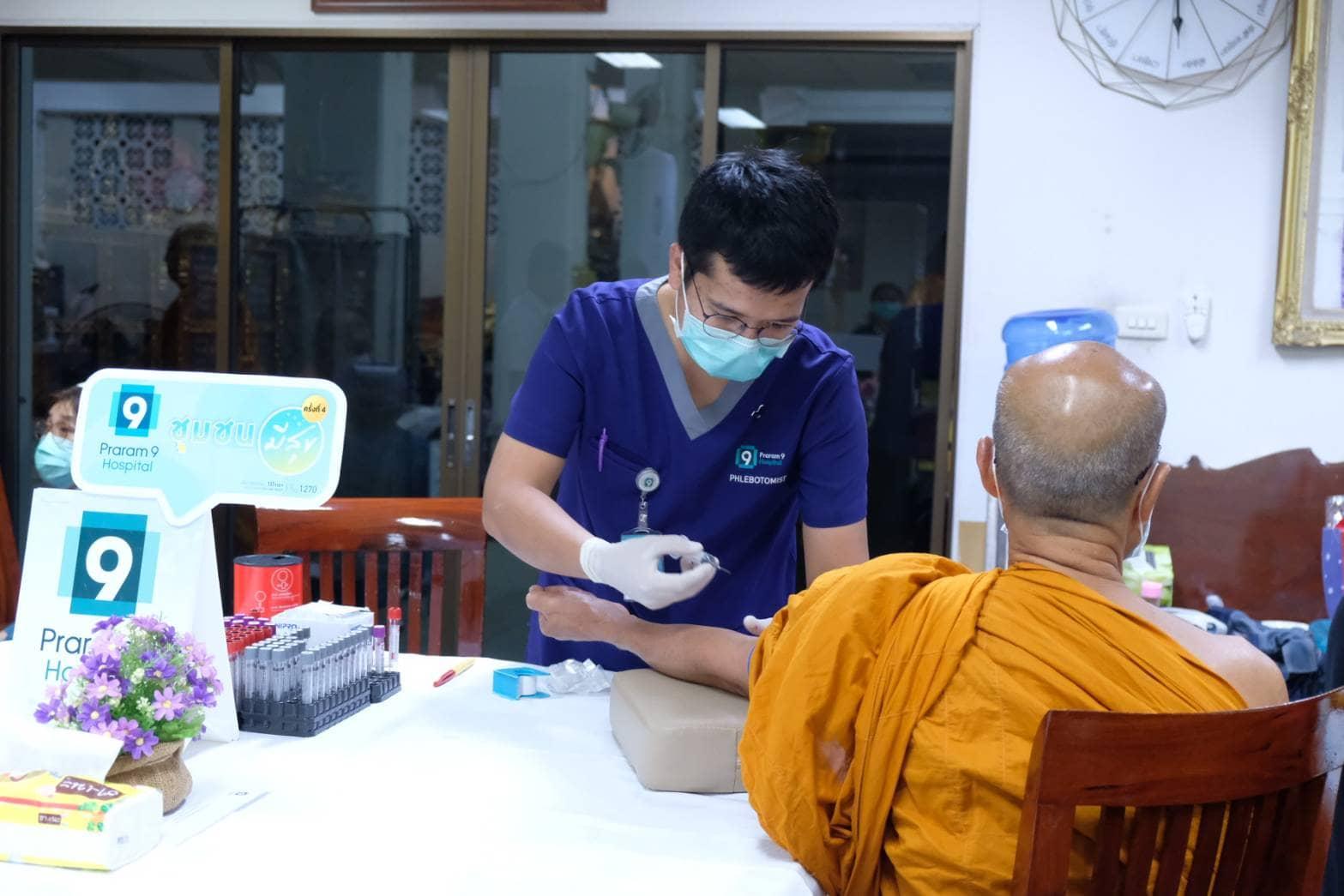
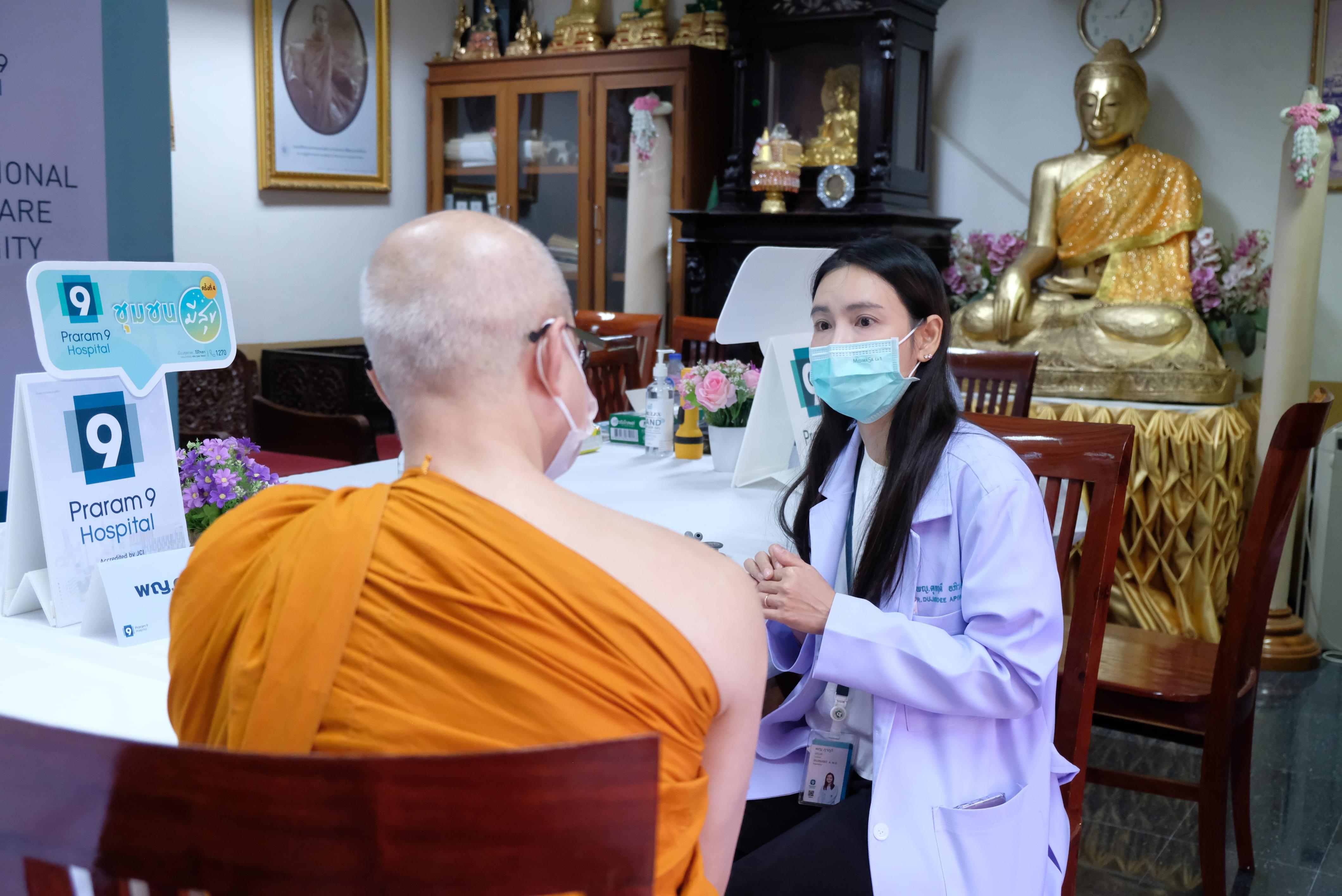
29. First Aid Unit During the royal ceremony to pay respects to the Royal Urn of Her Majesty Queen Sirikit.
December 25: Provided ambulance support with a first aid standby unit for medical missions during the royal ceremony to pay respects to the Royal Urn of Her Majesty Queen Sirikit at Sanam Luang, to care for and provide basic first aid to the public attending the ceremony. There were 14 medical service recipients, comprising 13 individuals who received first aid and were able to return home, and 1 patient who was referred for continuous treatment at a nearby hospital.
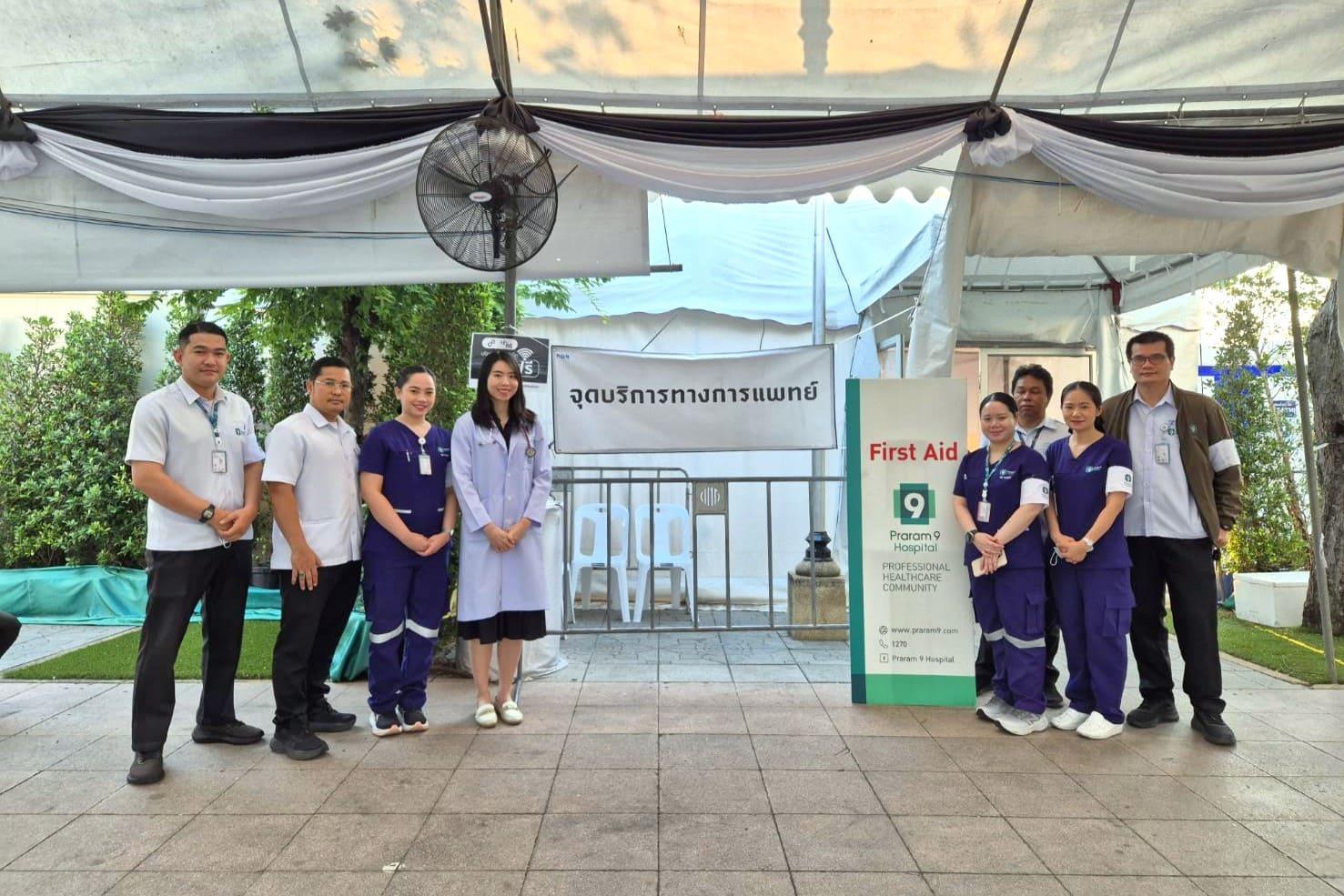
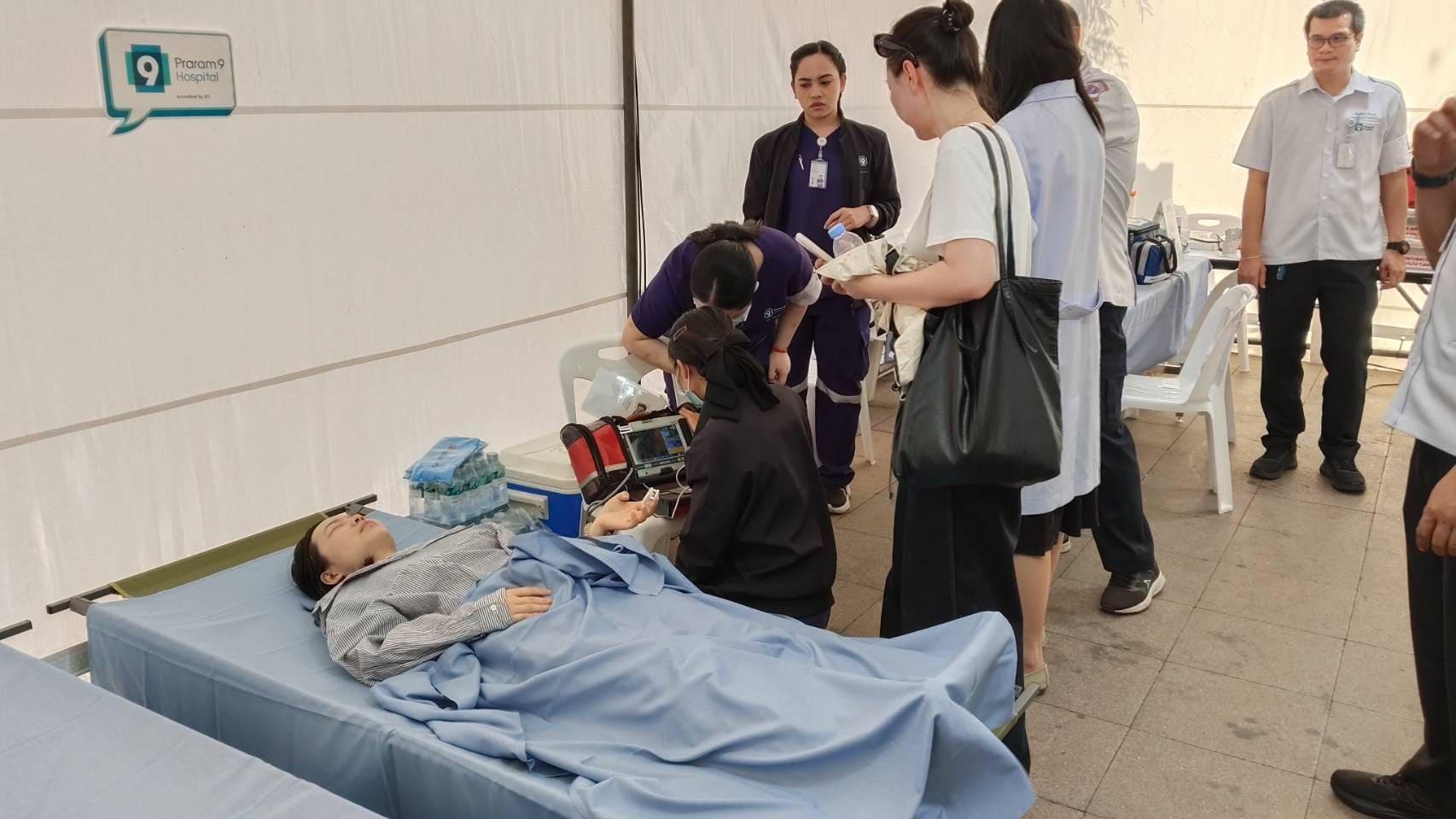
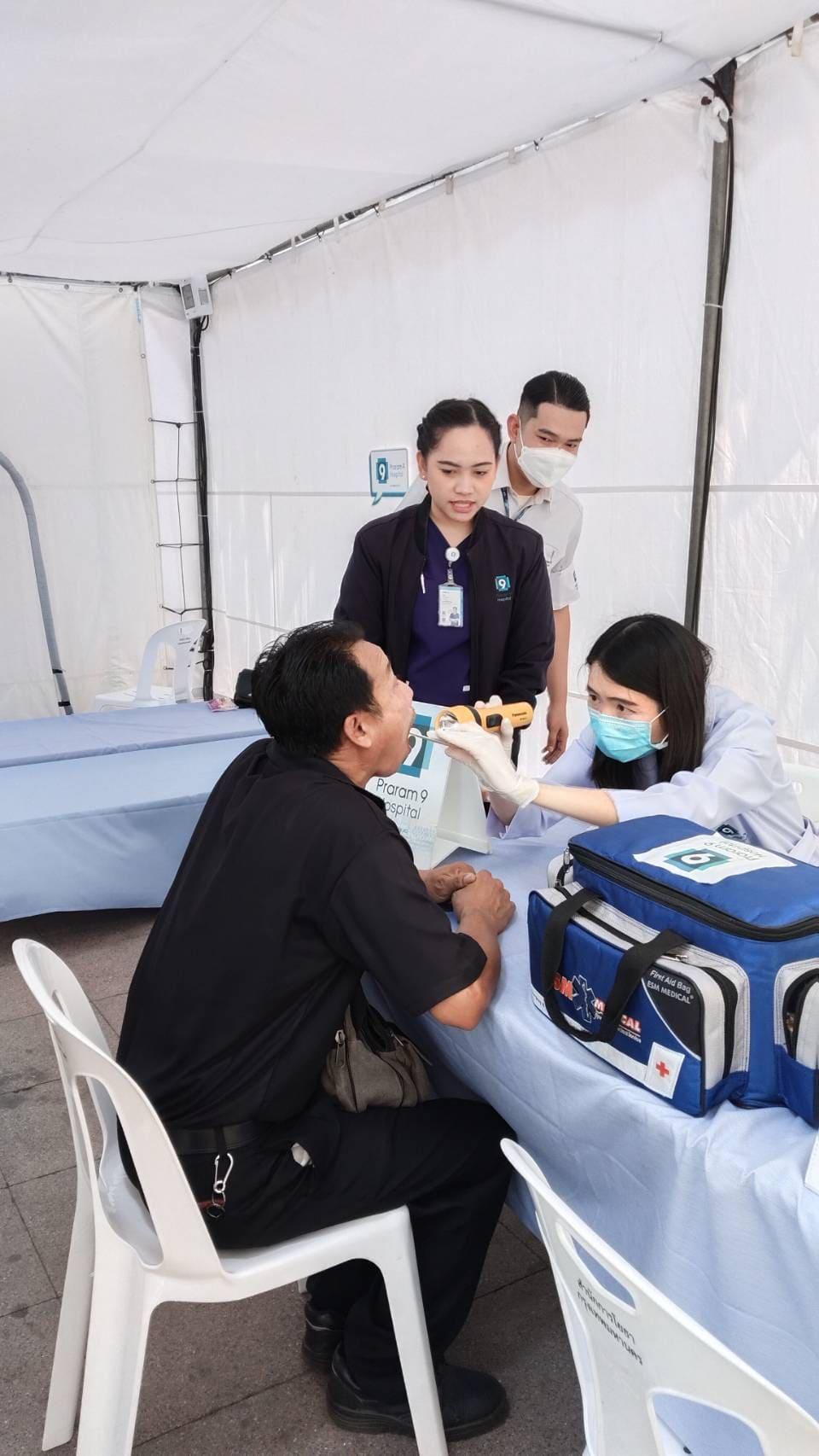
Knowledge Transfer for Sustainable Well-being (Health Literacy) Project: 35 projects.
1. Professional Seminar Project on Kidney Disease
January 9: Organized a professional seminar activity for Phitsanulok Hospital to enhance knowledge and develop the potential of medical personnel, with 15 doctors and professional nurses participating.
2. Seminar Project Online Topic: Learn to Prevent, Understand hMPV Virus.
January 23: Online seminar on "Learn to Prevent, Understand hMPV Virus" organized by the Stock Exchange of Thailand.
3. Co Seminar Project Online Topic: Cancer treatment
February 4: Online seminar on "Cancer Treatment" for Muang Thai Life Assurance Co., Ltd.
4. Co Conference on Kidney Disease
February 6: Academic meeting on kidney disease with Thaksin Hospital, Surat Thani Province.
5. Co Conference on Kidney Disease
February 6: Academic meeting on kidney disease with Thonburi Hospital, Chumphon Province.
6. Co Conference on Kidney Disease
February 7: Academic meeting on kidney disease with Thonburi Hospital Thung Song.
7. Seminar Project Online Topic Stress Management and Burnout
February 14: Online seminar for Ricoh (Thailand) Co., Ltd.

8. Seminar Project Online Topic Allergies in Pregnant Mothers: Important Issues Pregnant Women Should Not Overlook.
March 8: Online seminar on "Allergies in Pregnant Mothers: Important Issues Pregnant Women Should Not Overlook" via The Momster Facebook live channel.
9. World Kidney Day Activity
March 12: Organized World Kidney Day activities to educate the general public about kidney disease care.
10. New Kidney, New Life Activity
March 16: "New Kidney, New Life" activity, an ongoing project to educate the public and medical personnel about kidney surgery and self-care for new kidney transplant patients, to promote quality of life and sustainable longevity. Last year, 122 individuals participated in the activity.
11. Seminar Project Online Topic Stress Management and Burnout
March 21: Online seminar on "Stress Management and Burnout" for Mitsubishi Motors (Thailand) Co., Ltd.

12. Parkinson's Day Activity
April 9: Organized Parkinson's Day activities to educate the general public about Parkinson's disease, patient care, and prevention.
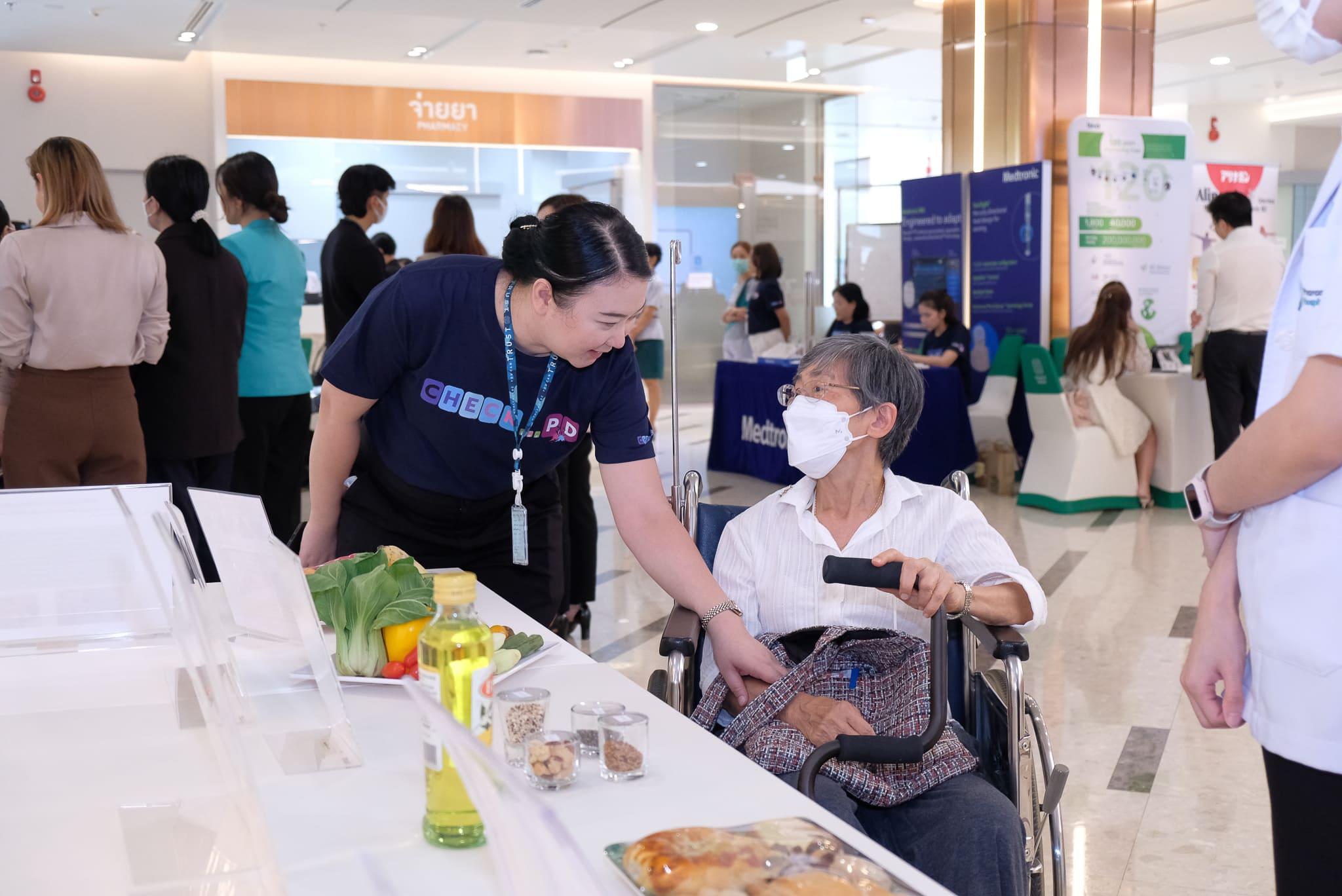
13. Seminar Project Online Topic Stress Management and Burnout
April 25: Online seminar on "Stress Management and Burnout" for Sony Thai Co., Ltd.
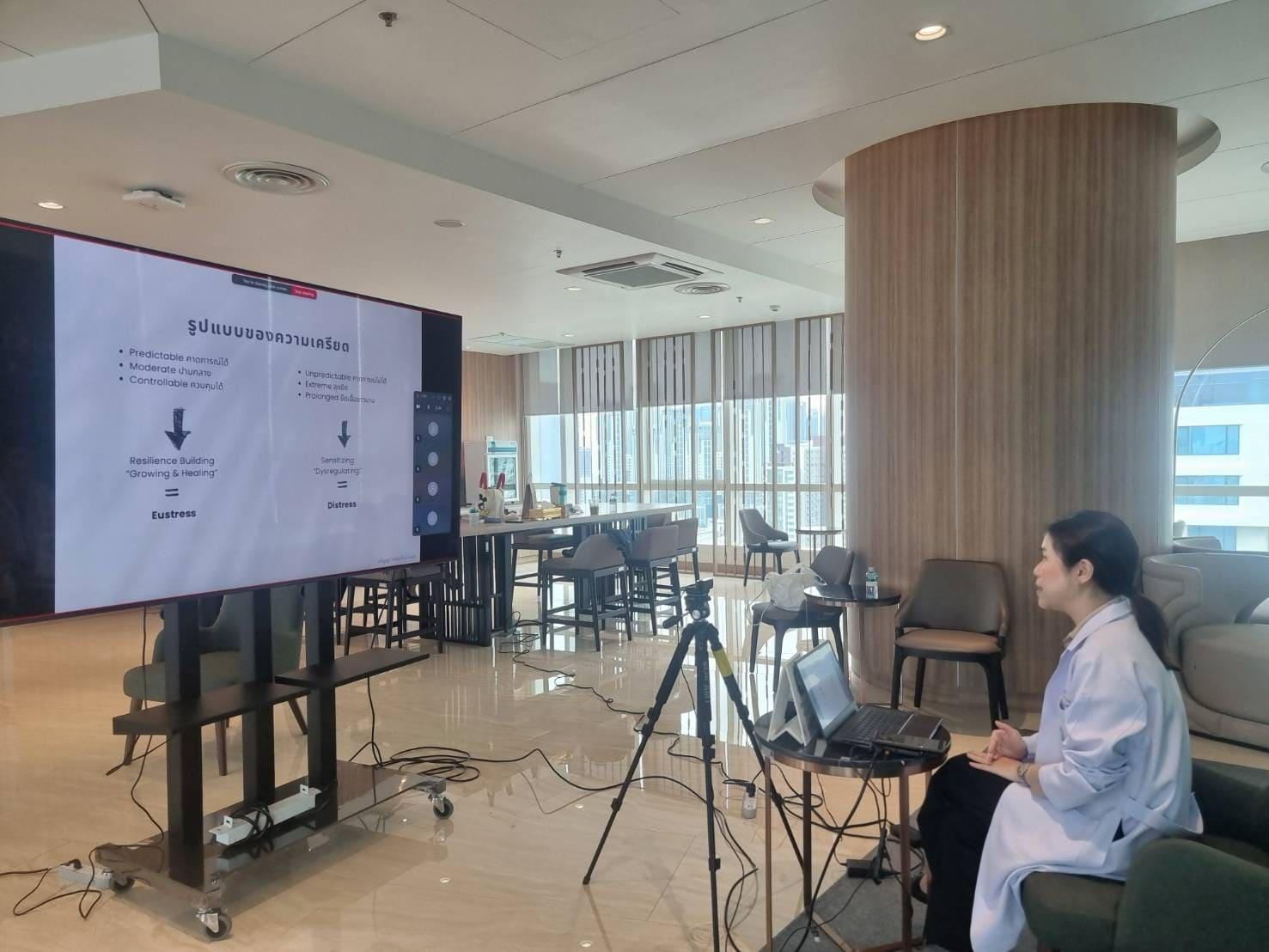
14. Seminar Project Topic: Doctor Talk: A Guide to Caring for Your Beloved Child from 0-1 Year Old.
May 10: Seminar on "Doctor Talk: A Guide to Caring for Your Beloved Child from 0-1 Year Old" for parents at Praram 9 Hospital.
15. Professional Seminar on Kidney Disease
May 14: Academic seminar on kidney transplantation, Specialized Nursing Practice in Renal Replacement Therapy program, Rangsit University.
16. Professional Seminar on Kidney Disease
May 23: Seminar activity on "Nursing Care for Chronic Kidney Disease Patients and Kidney Transplant Surgery" in collaboration with Thaksin Hospital, Surat Thani Province, to provide knowledge to the public, doctors, and nurses regarding the care and treatment of chronic kidney disease patients and kidney transplantation, with 132 participants.
17. Basic Health Care Seminar Project
June 24: Seminar providing basic health care knowledge to AIA employees at Phaya Akkara Nakha Office.
18. Seminar Project Topic AI and Digital Skills
July 26: Seminar providing knowledge on "AI and Digital Skills" at Praram 9 Hospital.
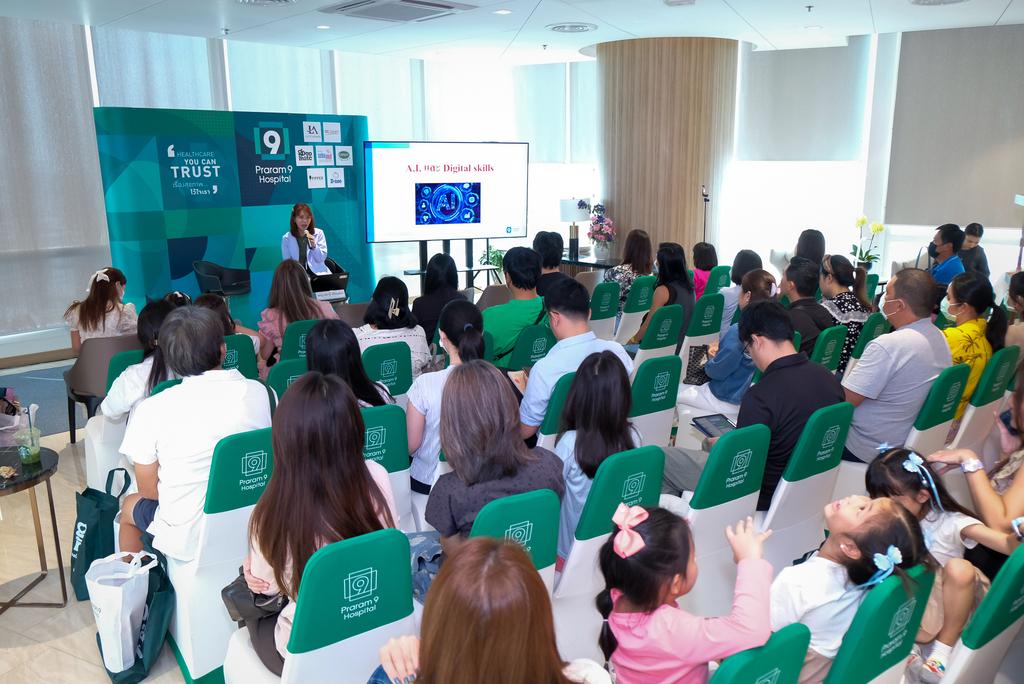
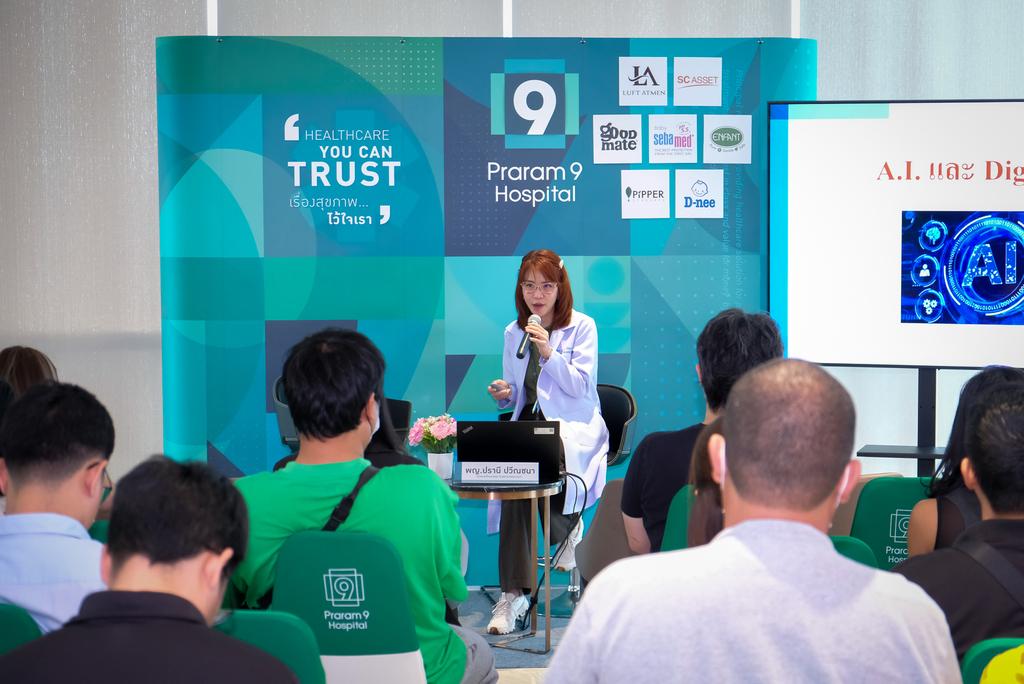

19. Seminar Project Topic: T Raising Children in the AI Era.
July 25: Seminar on "Raising Children in the AI Era" organized as HBI ROH Wellness Day 2025 for Hanesbrands ROH Asia Co., Ltd., with 125 participants. Activities at the event included:
Body composition measurement.
Testing the body's reaction time to stimuli
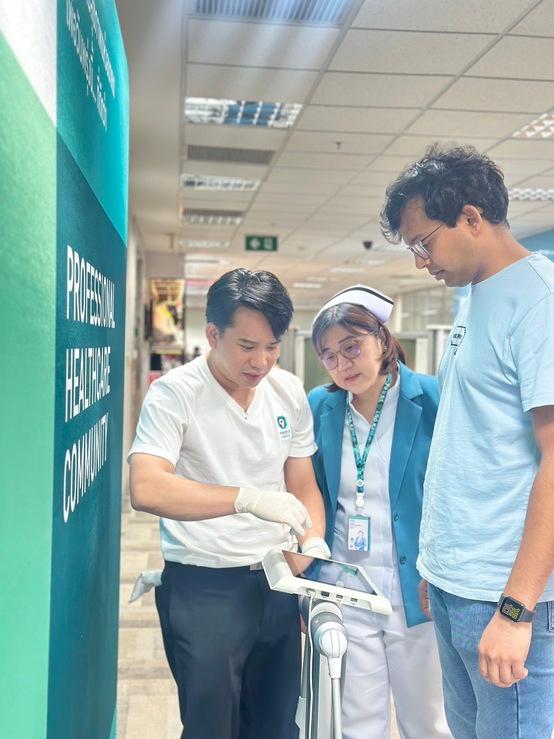
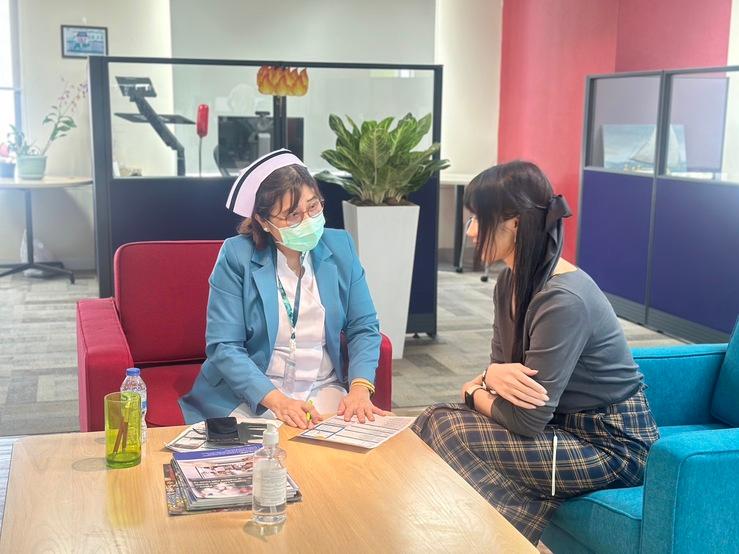
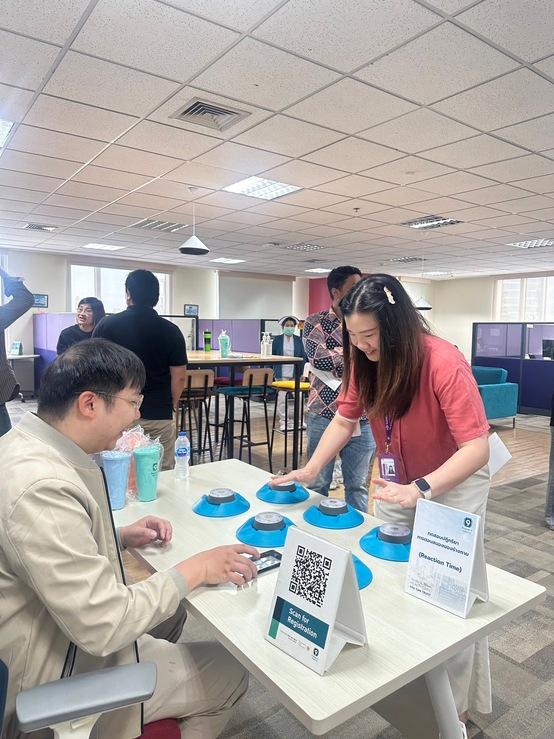
20. CPR and AED Training Project
August 1: Organized a training activity on Cardiopulmonary Resuscitation (CPR) and the use of Automated External Defibrillators (AEDs), with Dr. Wisut Ketkaew, a cardiologist specializing in cardiovascular diseases from Praram 9 Hospital, as the lecturer, for 200 employees of Bank of Ayudhya Public Company Limited.
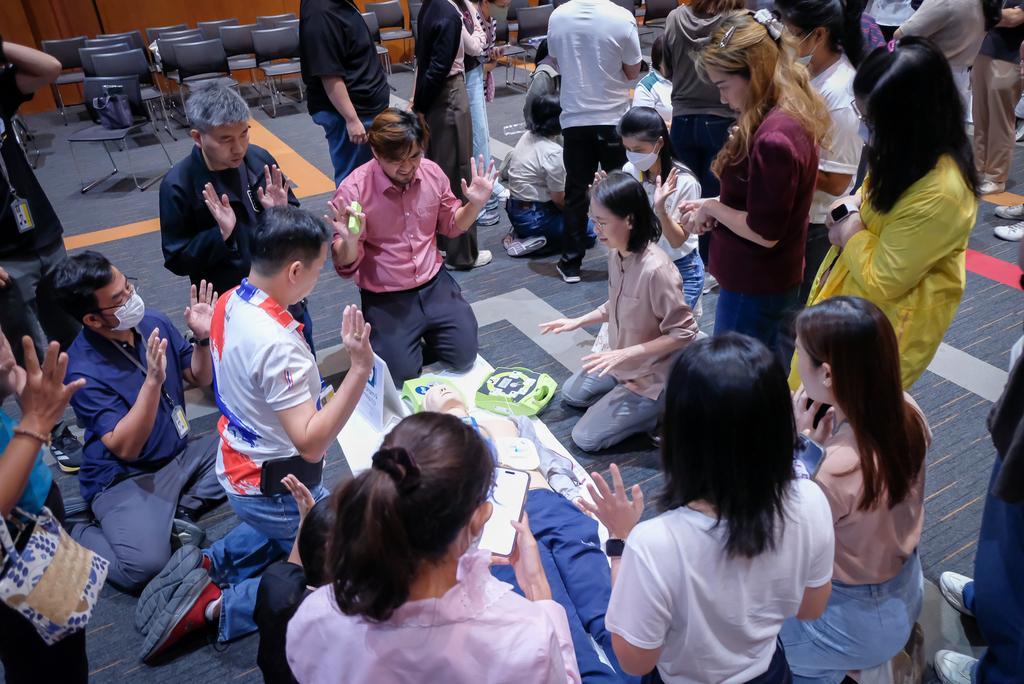
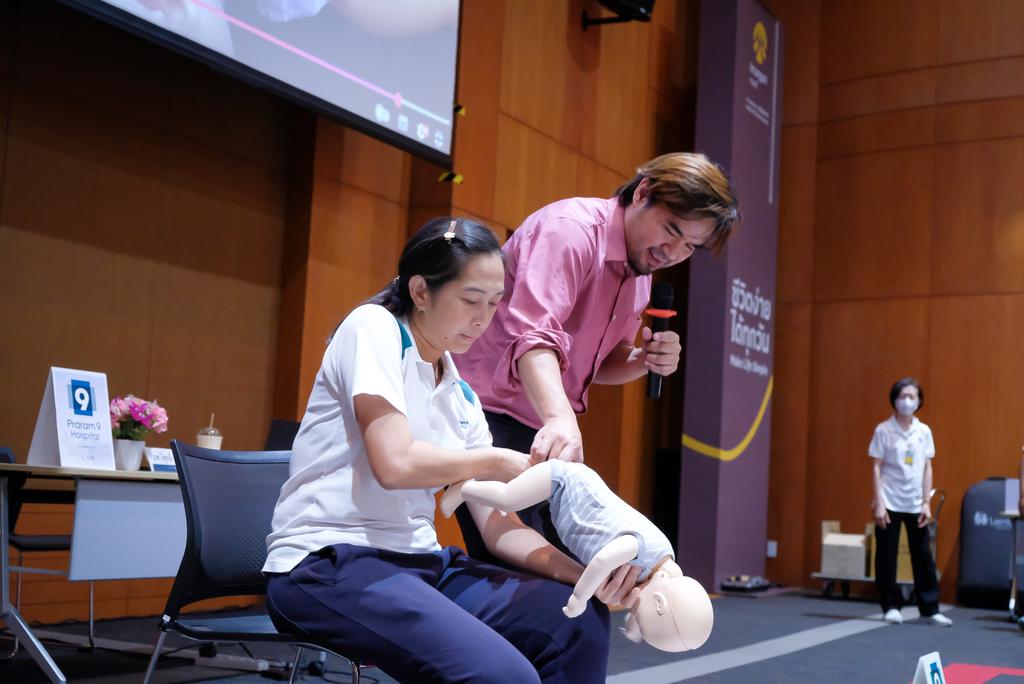
21. CPR and AED Training Project
August 26: Organized a training activity on Cardiopulmonary Resuscitation (CPR) and the use of Automated External Defibrillators (AEDs), with Dr. Annach Triam-anurak, a cardiologist specializing in cardiovascular diseases from Praram 9 Hospital, as the lecturer, for 200 employees of Bank of Ayudhya Public Company Limited.
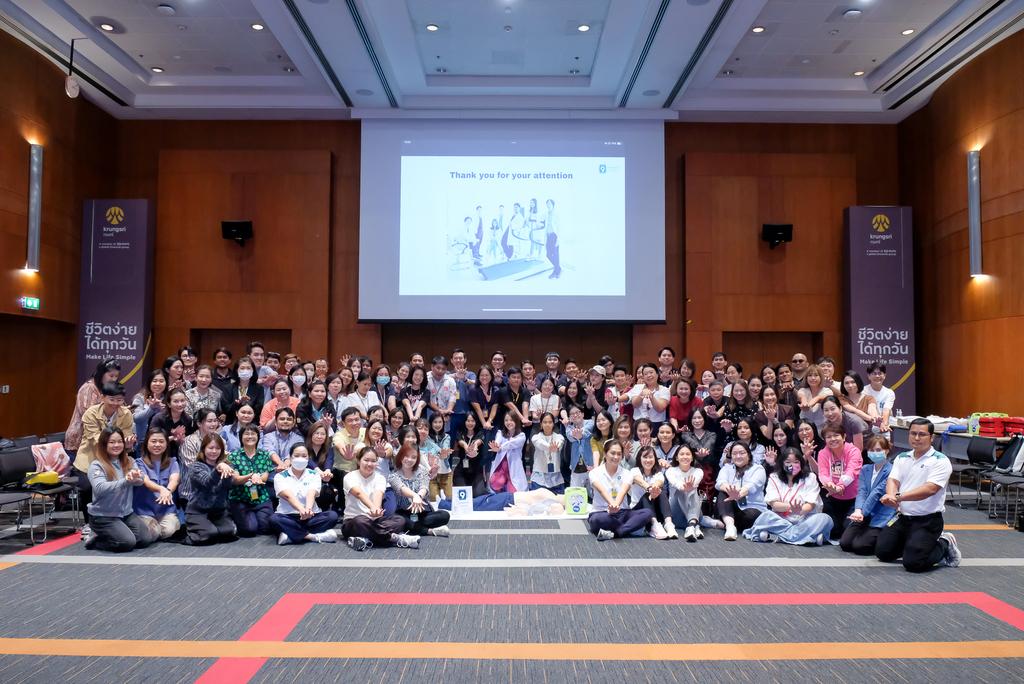
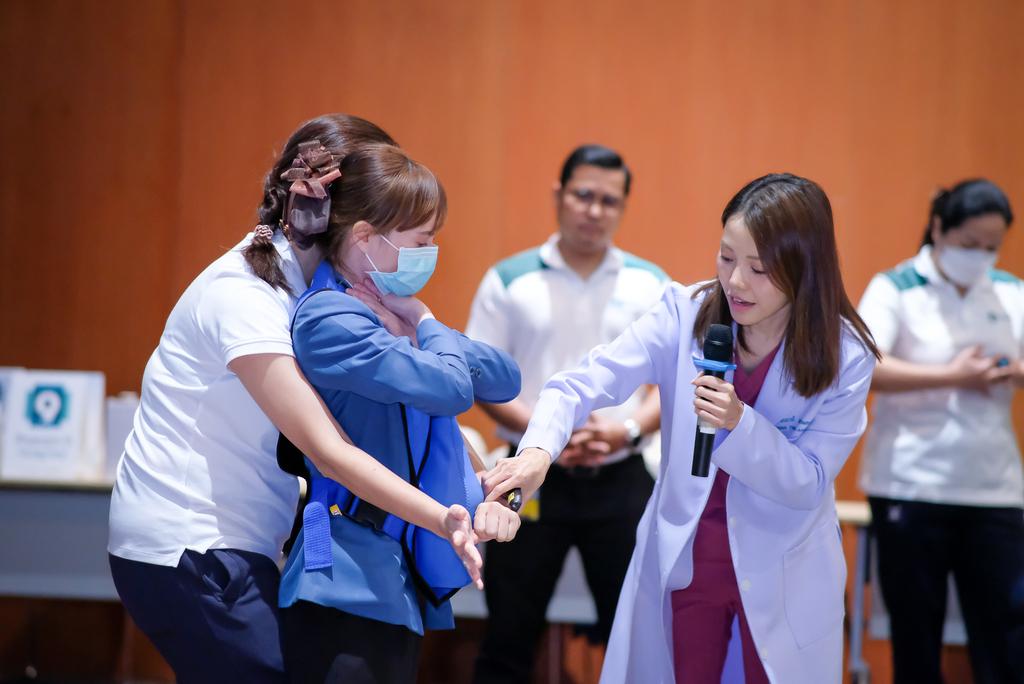
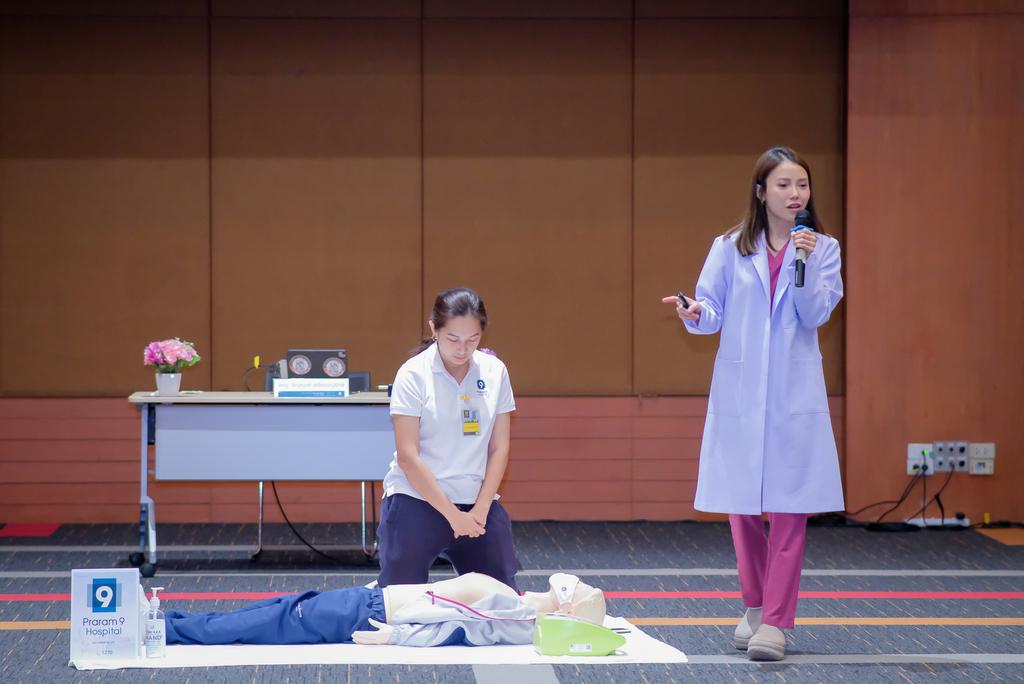
22. Professional Seminar on Kidney Disease
August 15: Professional seminar on nursing care for chronic kidney disease patients and kidney transplant surgery for Chonburi Provincial Public Health Office, with 82 participants.
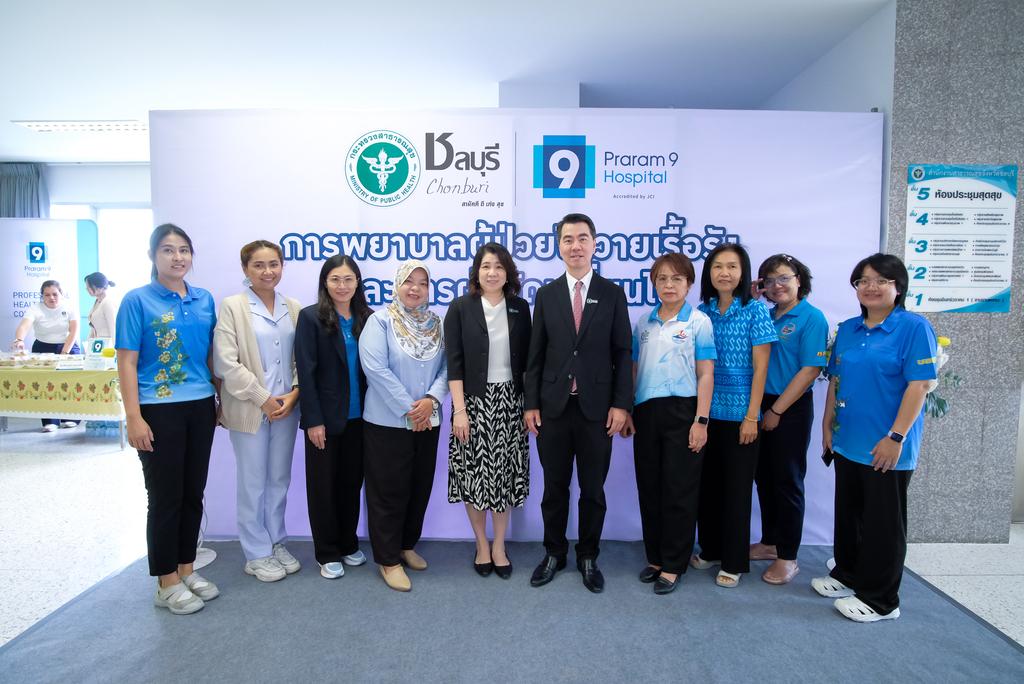
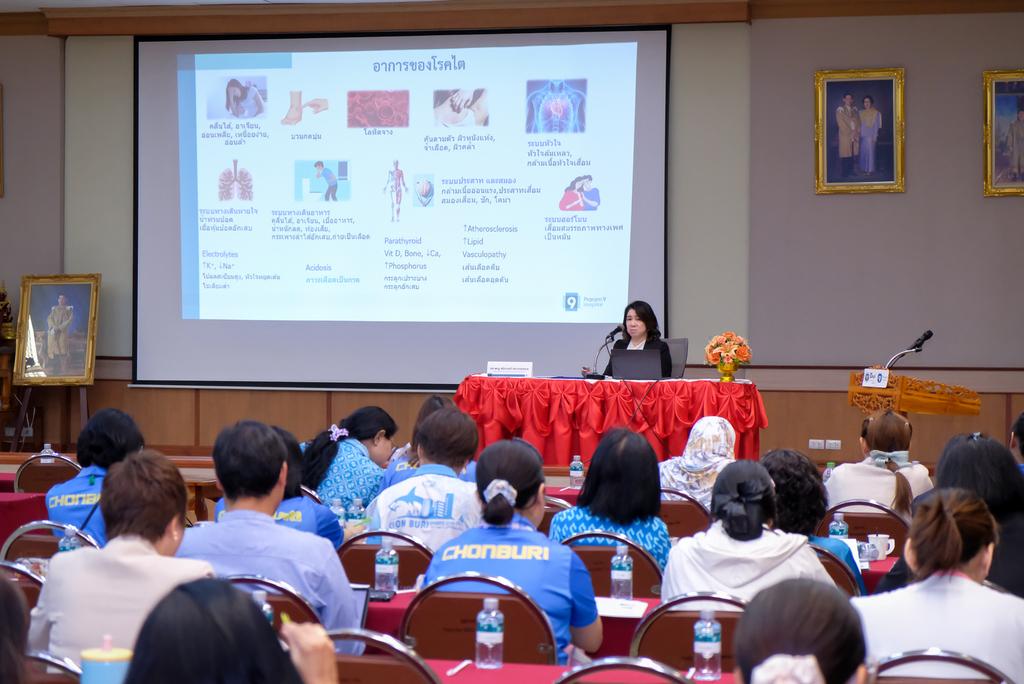
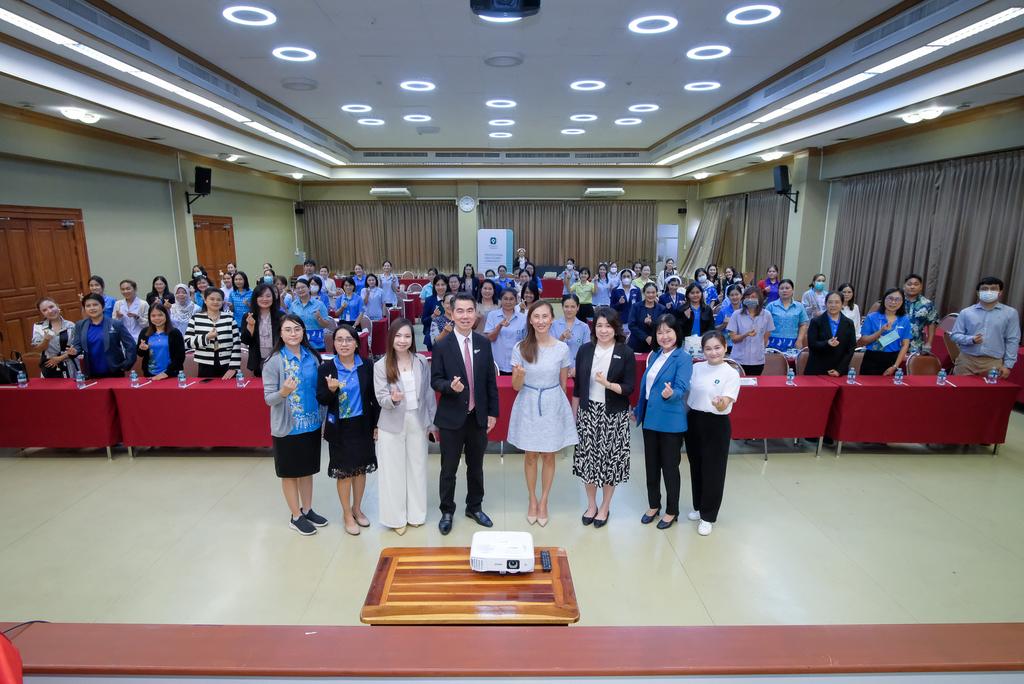
23. Seminar Project Topic Respiratory diseases in children that parents should know about.
August 29: Seminar activity on "Respiratory Diseases in Children that Parents Should Know," with Dr. Nongnapat Kao-ian, a pediatrician specializing in pediatric respiratory diseases, as the lecturer, providing knowledge to parents and teachers, and organizing various developmental activities for students at Chokchai Huaykhwang Kindergarten.
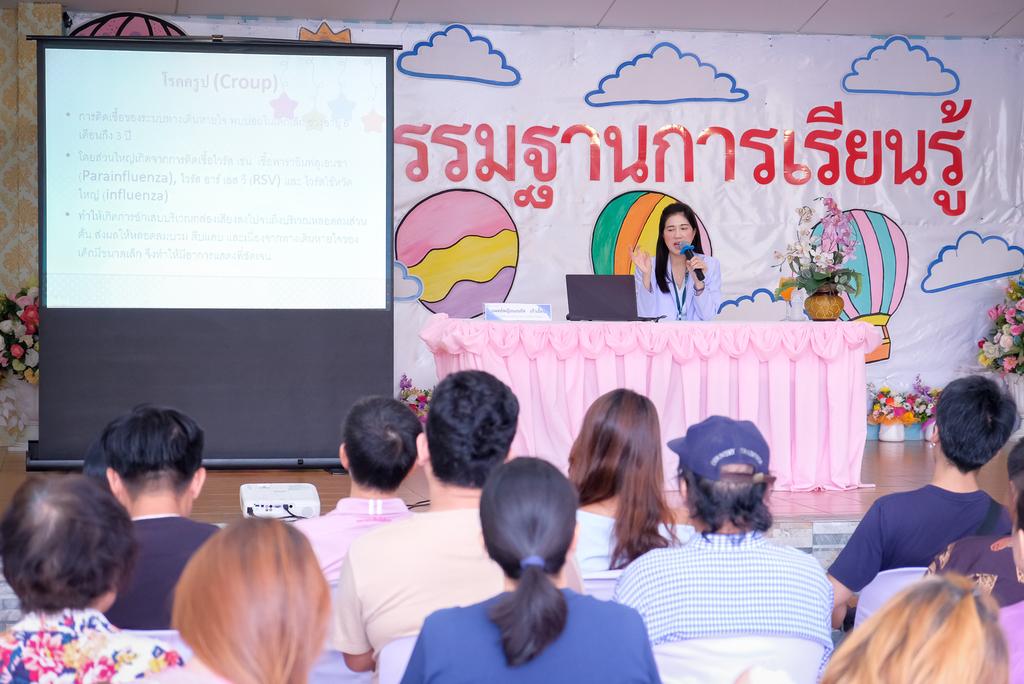
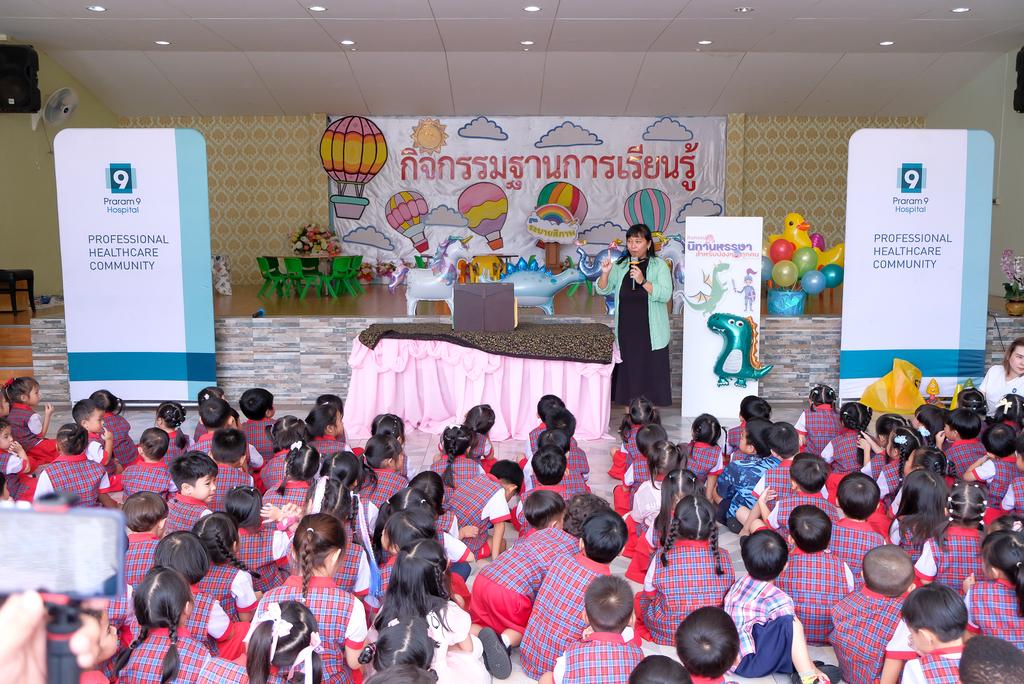
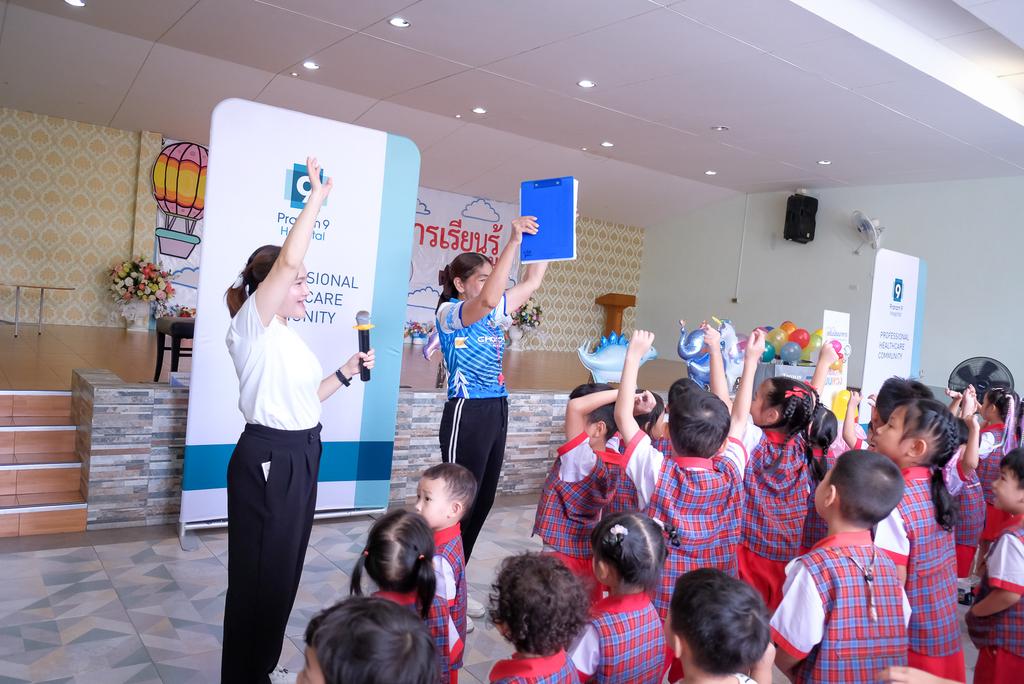
24. CPR and AED Training Project
September 11: Organized a training activity on Cardiopulmonary Resuscitation (CPR) and the use of Automated External Defibrillators (AEDs), with Dr. Pornpichaya Boondee, a cardiologist specializing in cardiovascular diseases from Praram 9 Hospital, as the lecturer, for 30 employees of HSBC Bank.
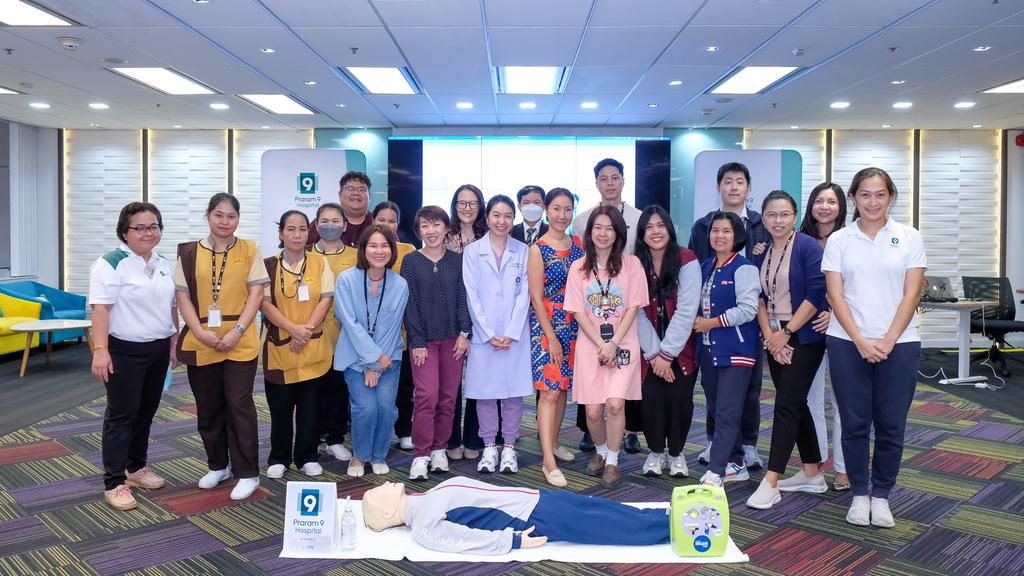
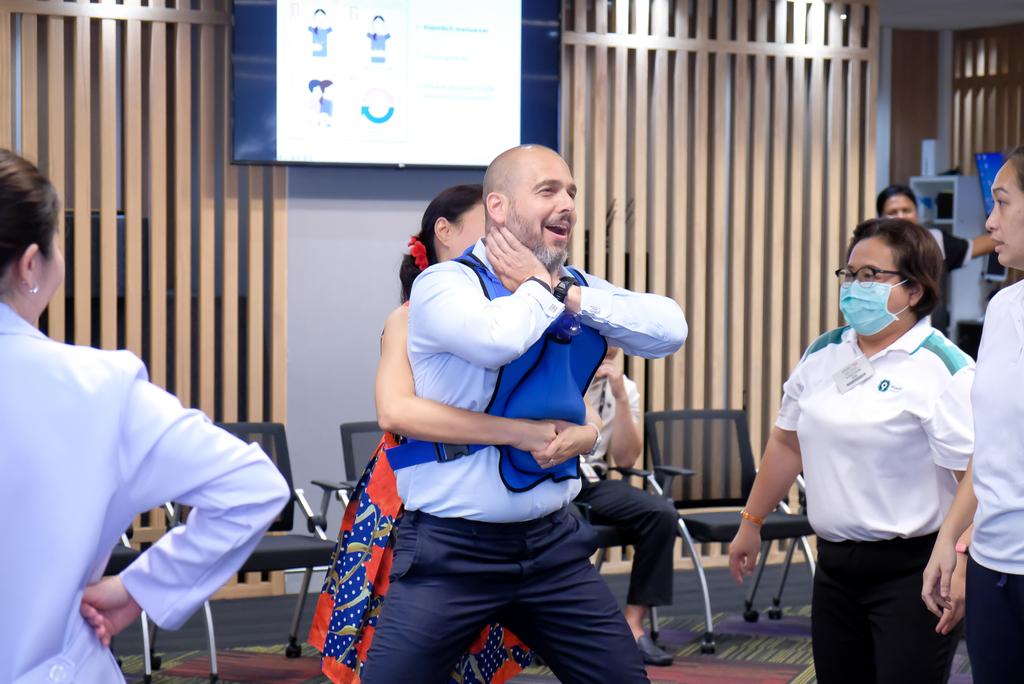
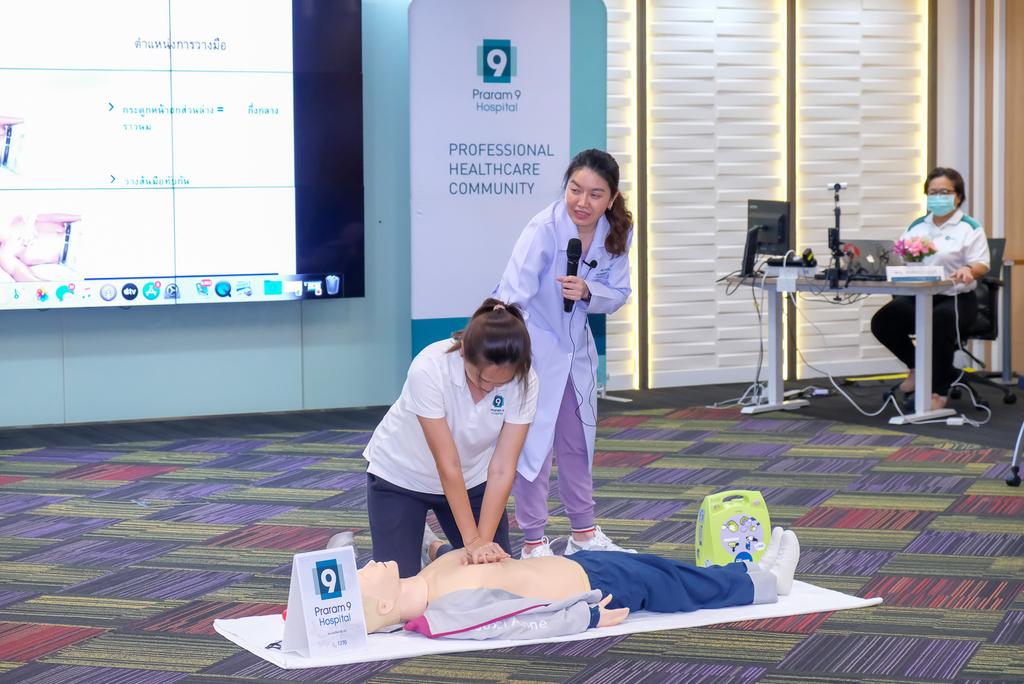
25. CPR and AED Training Project
September 29: Organized a training activity on Cardiopulmonary Resuscitation (CPR) and the use of Automated External Defibrillators (AEDs), and provided knowledge about heart disease on World Heart Day, with 70 participants.
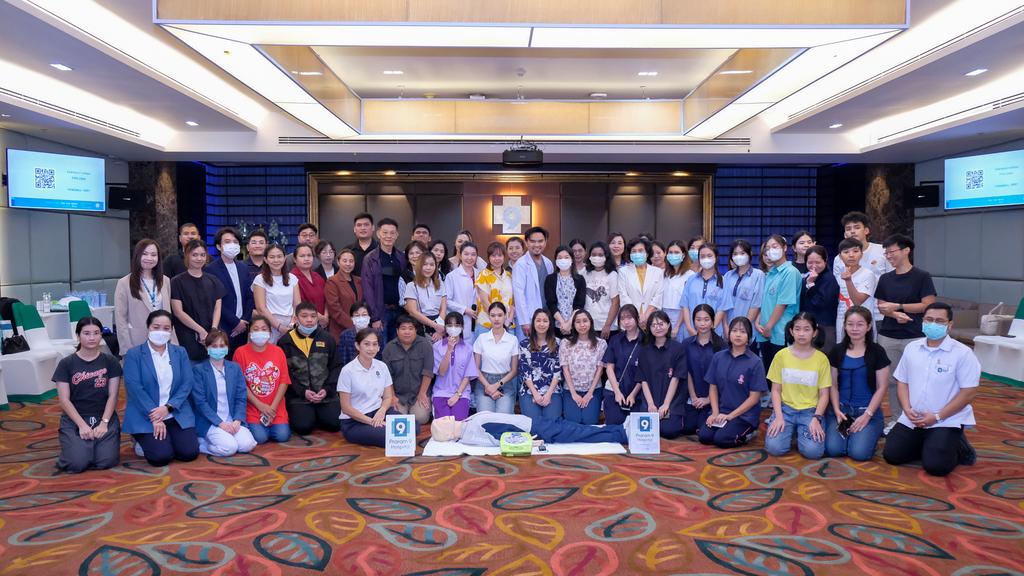
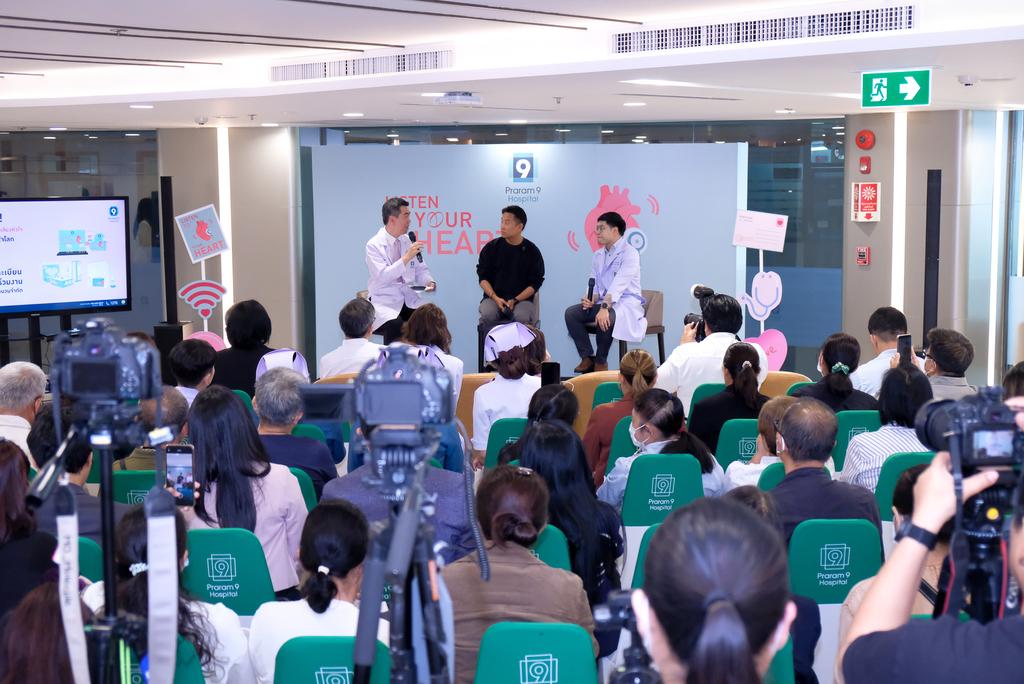
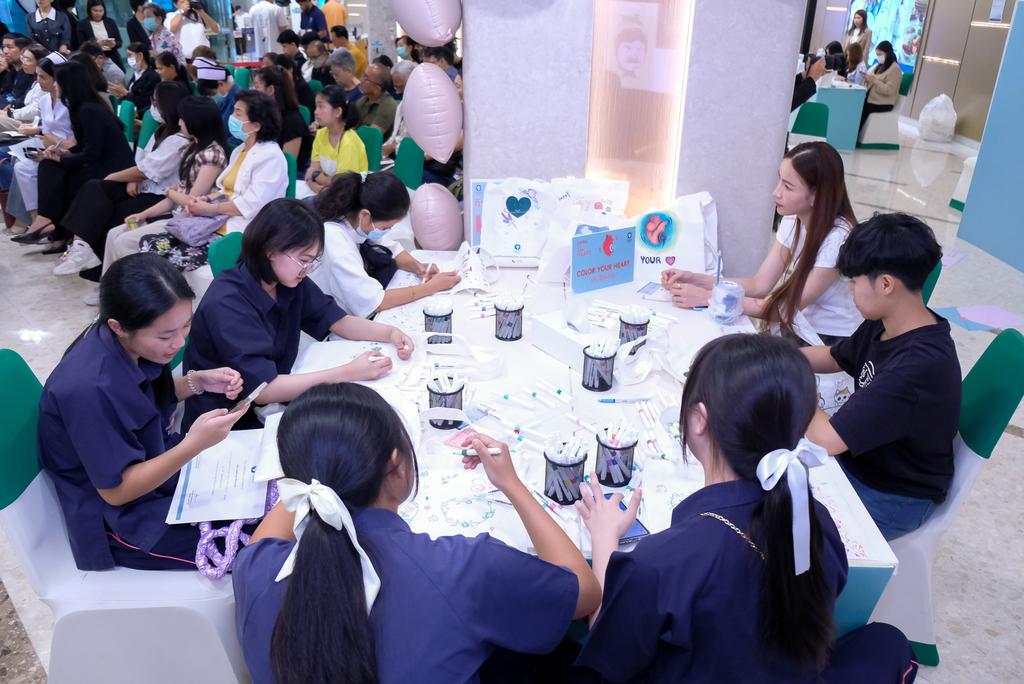
26. Seminar Project Topic Update in Common Neck Pain 2025
October 5: Academic seminar on "Update in Common Neck Pain 2025" organized by Praram 9 Hospital in collaboration with the Department of Orthopedics and the Department of Rehabilitation Medicine, Phramongkutklao Hospital, to update knowledge on the diagnosis, treatment, and rehabilitation of neck pain from various perspectives. Lieutenant General Dr. Wilai Chinsakul served as the moderator, with Lieutenant Colonel Dr. Chalermpong Cheewachutirungruang as assistant moderator, and esteemed commentators from Praram 9 Hospital and Phramongkutklao Hospital. The event included academic lectures by specialist doctors from Praram 9 Hospital, Phramongkutklao Hospital, and Siriraj Hospital, as well as demonstrations of exercise and physical therapy methods by physical therapists, focusing on the care and rehabilitation of neck pain, a common health issue today.
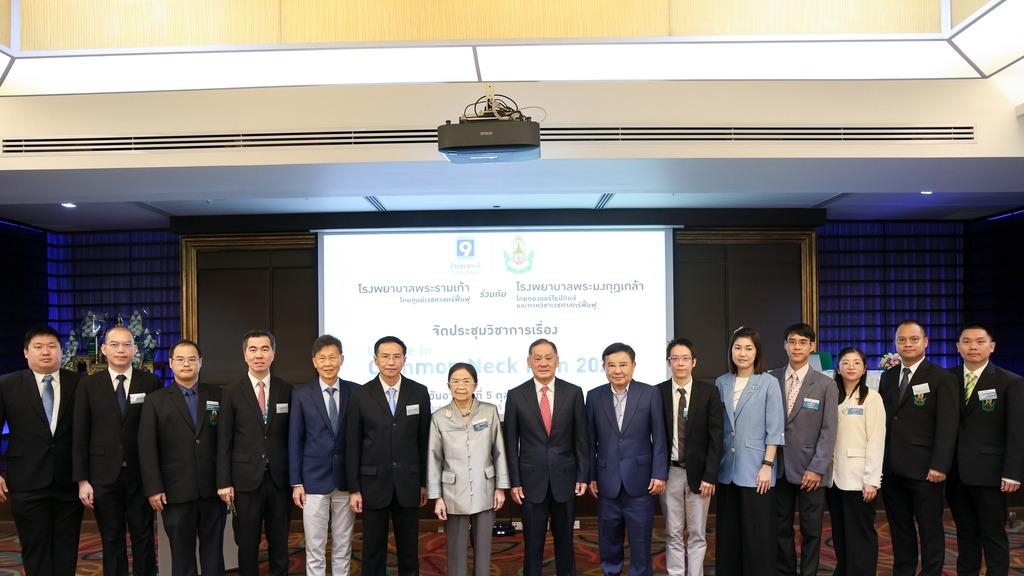
27. Seminar Project Topic Wallenius: Stress Lecture.
October 10: Seminar on "Wallenius: Stress Lecture" with Ms. Waranya Thawankijdamrong, a Registered Canadian Art Therapist from Praram 9 Hospital, as the speaker. 50 participants attended.
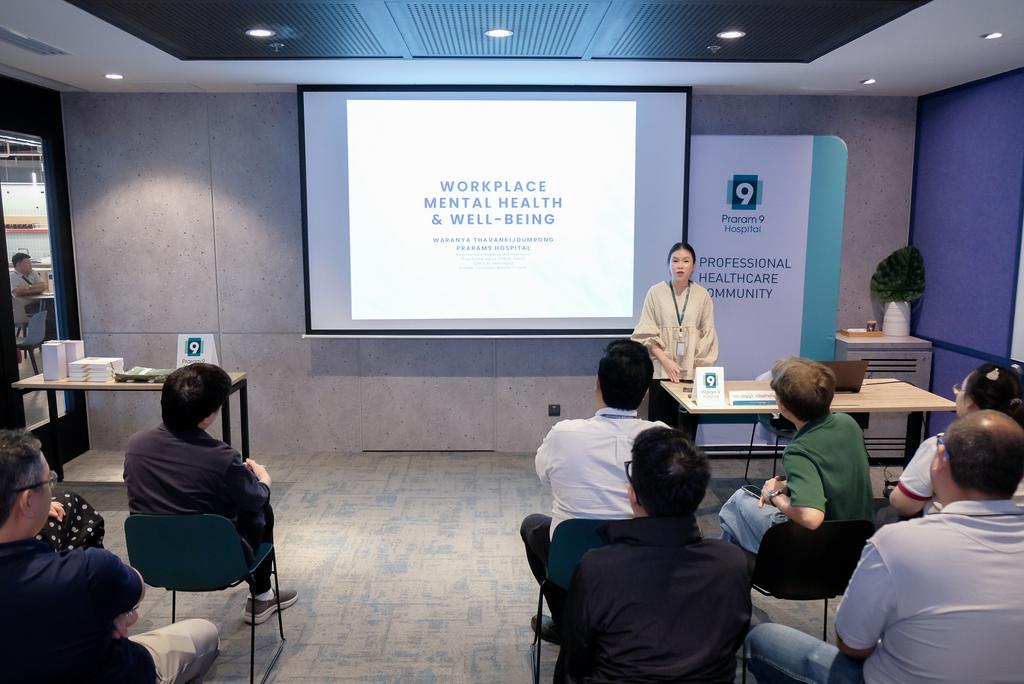
28. Seminar Project Topic Influenza: Easy Prevention, No Fuss.
October 11: Seminar on "Influenza: Easy Prevention, No Fuss" at Praram 9 Hospital.
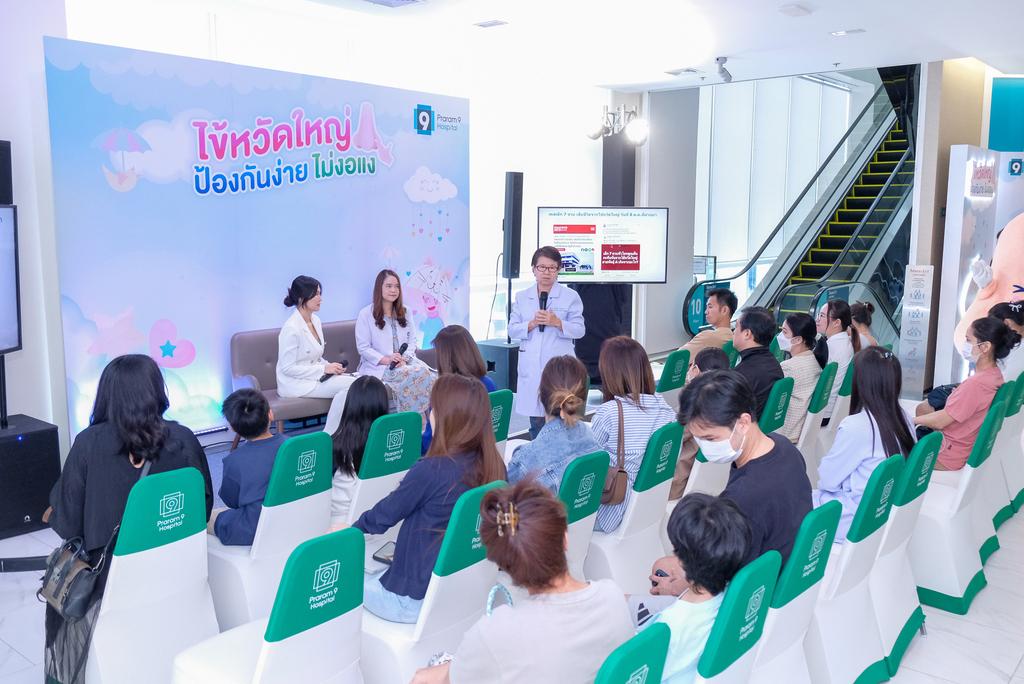
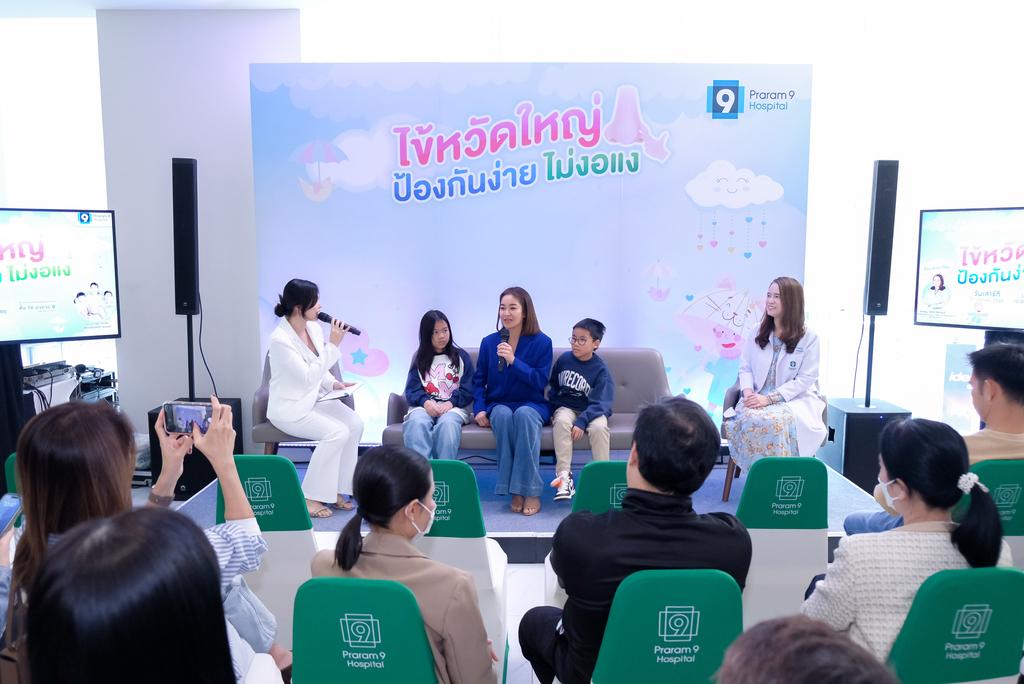
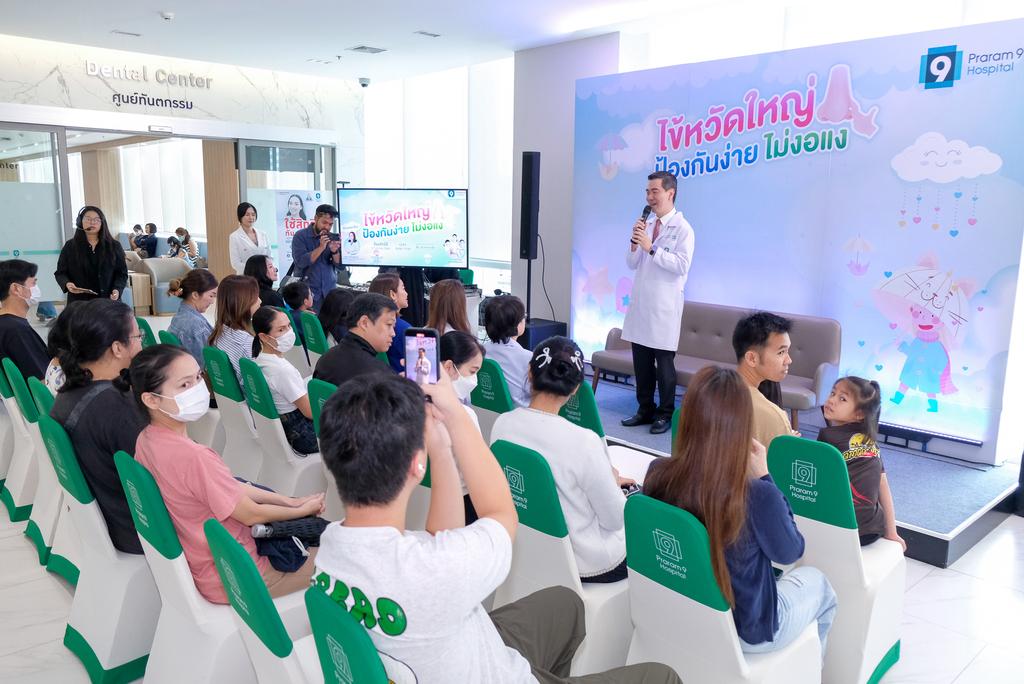
29. Professional Seminar on Kidney Disease
October 16: Professional seminar on the Specialized Nursing Practice in Renal Replacement Therapy program from Rangsit University.
There were 35 participants.
30. CPR and AED Training Project
October 28: Organized a training activity on Cardiopulmonary Resuscitation (CPR) and the use of Automated External Defibrillators (AEDs) for Eastern Commercial Leasing Public Company Limited.
There were 37 participants.
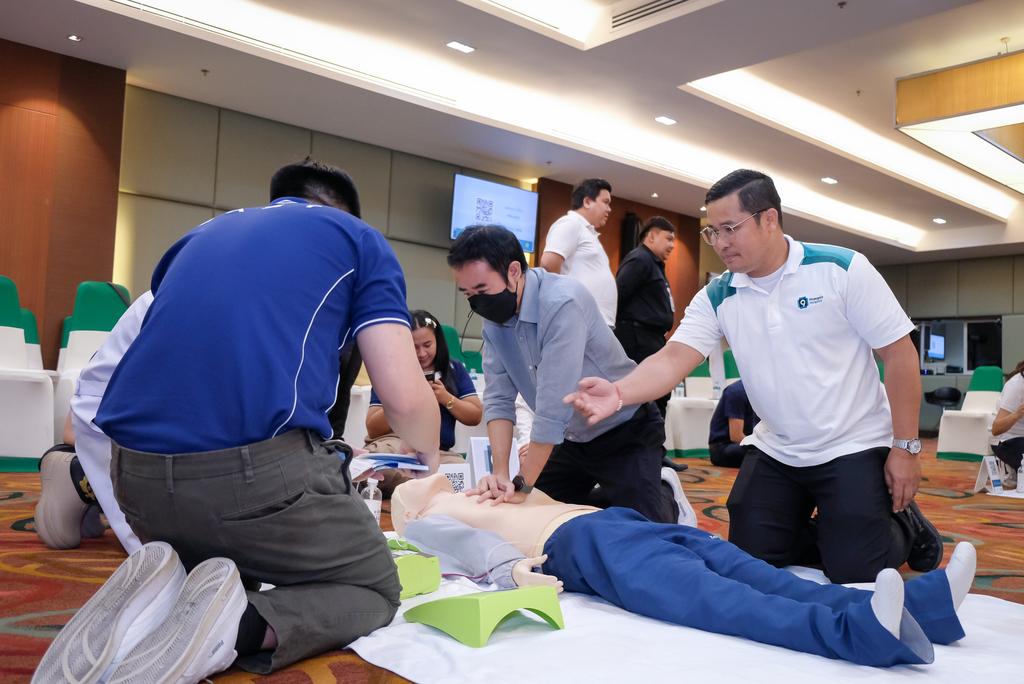
31. Seminar Project Topic Wellness Month
November 6: Wellness Month seminar on treatment and prevention in Traditional Chinese Medicine for True Digital Group Co., Ltd., with 30 participants.

32. Topic Does AI make our attention span shorter?
November 22: Activity "Opening the World of Imagination: Storytelling to Enhance Learning Skills" on the topic "Does AI Shorten Attention Spans?" for the general public.
33. Seminar Project Topic Happiness does not come from having more, but from carrying less.
December 2: Workshop activity in collaboration with Count Up page, on the topic "Happiness does not come from having more, but from carrying less."


34. Seminar Project Providing basic knowledge on women's health care.
December 2: Seminar providing basic knowledge on women's health care to MSIG Insurance (Thailand) Public Company Limited.
35. CPR and AED Training Project
December 18: Training on "Basic First Aid, Cardiopulmonary Resuscitation (CPR), and the Use of Automated External Defibrillators (AEDs)" for executives and employees of Bangpa-in Cogeneration Co., Ltd., as well as Village Health Volunteers (VHVs) in the area.
Mueang District, Phra Nakhon Si Ayutthaya Province, with 32 participants.
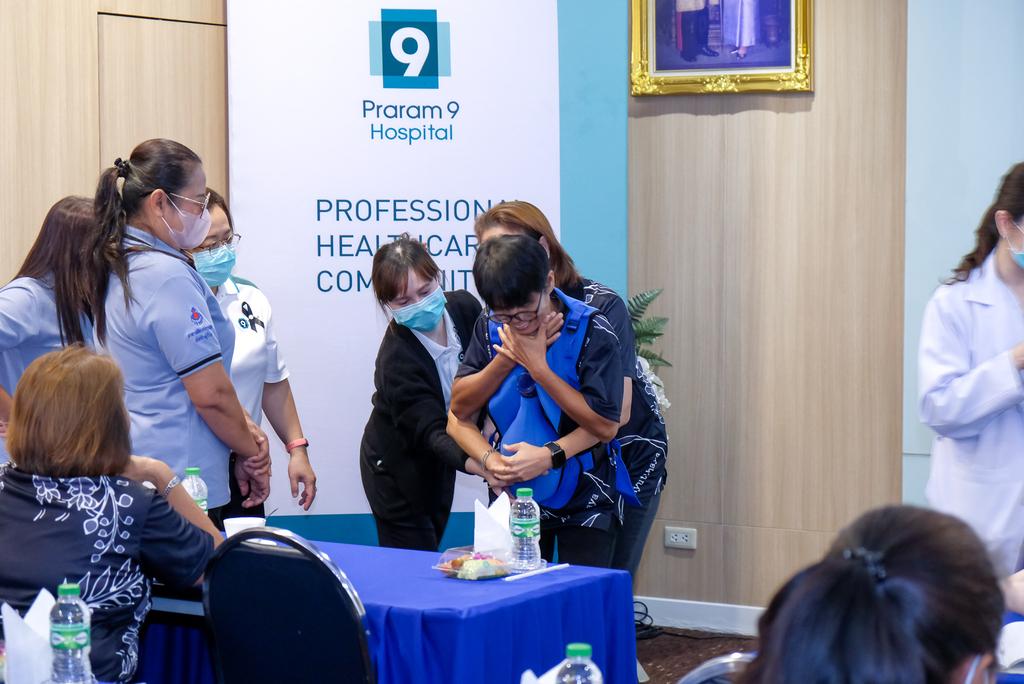
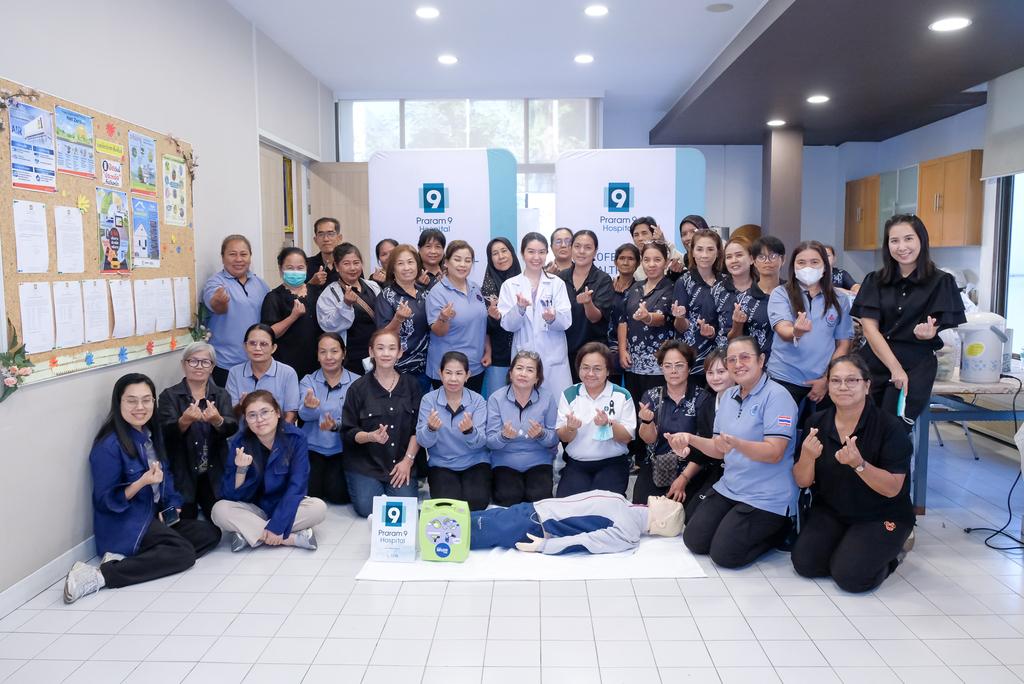
Social Impact Assessment
The Company conducted a Social Impact Assessment with key stakeholders. Current and potential concerns and negative impacts were considered in selecting methods to measure social outcomes and Social Return on Investment (SROI). The results were used to develop the sustainability strategy, action plans, and indicators to reduce negative impacts arising from the Company’s operations and to contribute to improving the quality of life of people in society. In 2025, the Company implemented three Creating Shared Value (CSV) initiatives, as follows:
1. HAPPY KIDNEY: Healthy Kidneys, Happy Life ( "New Kidney, New Life" Activity )
The Company is a leading healthcare provider focusing on holistic and sustainable healthcare and is the private hospital with the highest expertise in kidney transplantation in Thailand. The Kidney Disease and Transplant Institute of Praram 9 Hospital has performed more than 1,461 kidney transplant surgeries, with highly successful outcomes. Patients who undergo the surgery are able to return to near-normal lives and experience improved quality of life. Leveraging its expertise in kidney disease treatment, the hospital developed the “New Kidney, New Life” project under the Creating Shared Value (CSV) concept, connecting the hospital’s medical expertise with societal needs related to access to healthcare services by expanding treatment opportunities and access to services across different areas of Thailand. The project aims to create positive social impact through high-quality medical services that promote the health and quality of life of kidney patients by providing knowledge and understanding about kidney disease, kidney transplantation, and the care of kidney patients both before and after transplantation, including appropriate treatment approaches, to medical personnel and the general public, in collaboration with Kao Than Rok Foundation and partner hospitals within the network to expand access to medical services and help improve the quality of life of kidney patients.
Project Objectives
Business Objective: To expand the patient base in specialized disease groups, strengthen the hospital’s image as a leader in kidney disease treatment, and increase revenue from comprehensive medical services.
Social Objective: To decentralize specialized care by expanding access to advanced treatment in regional areas, allowing patients to receive services without traveling to Bangkok, and to reduce inequality in healthcare access for people in provincial areas. The project also aims to provide preventive knowledge and appropriate treatment guidance to the public and medical personnel in the regions, enable access to consultations with national-level specialists at no cost, and reduce complications among patients with chronic kidney disease.
Strategies and Implementation Plan
Development of Accessible Medical Services Expanding community-based kidney disease screening programs to increase early detection and promote access to appropriate treatment services.
Strengthening Medical Collaboration Networks Working with partner hospital networks to exchange medical knowledge, support patient care, and enhance the quality of kidney disease treatment services.
Key Performance Indicators (KPIs)
Number of people receiving knowledge about kidney disease
Number of patients undergoing kidney transplantation
Revenue generated from kidney disease treatment services
Operations
In 2025, the hospital organized two seminars for medical personnel on kidney disease in the Southern region of Thailand, as follows:
Nakhon Si Thammarat Province (March 16, 2025): 122 participants, including members of the public, medical personnel, and insurance companies. Eight participants expressed interest in receiving consultation for kidney transplantation.
Surat Thani Province (May 23, 2025): Organized in collaboration with Thaksin Hospital, with 132 participants. Four participants received consultations, and one patient was successfully referred into the kidney transplant preparation process.
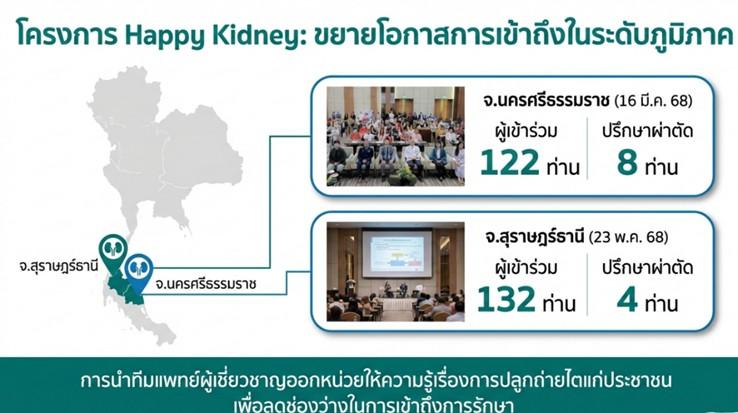
Social Impact Assessment (SIA) Key Stakeholders
Kidney patients and their families – Gain opportunities for treatment, receive knowledge and understanding about kidney disease, self-care, and treatment options, as well as improved access to medical services.
Medical personnel – Have opportunities to develop their expertise and service efficiency, gain knowledge and understanding about kidney disease, patient care, and kidney transplantation, and enhance their capabilities in caring for kidney patients.
Partner hospitals and the public sector – Help reduce the burden on the public health system and improve the quality of life of the population.
Praram 9 Hospital – Serves as a center for kidney disease treatment and kidney transplantation, builds collaboration with partner networks to enhance the quality of medical services, promotes socially responsible business practices, strengthens the organization’s image, and supports long-term organizational sustainability.
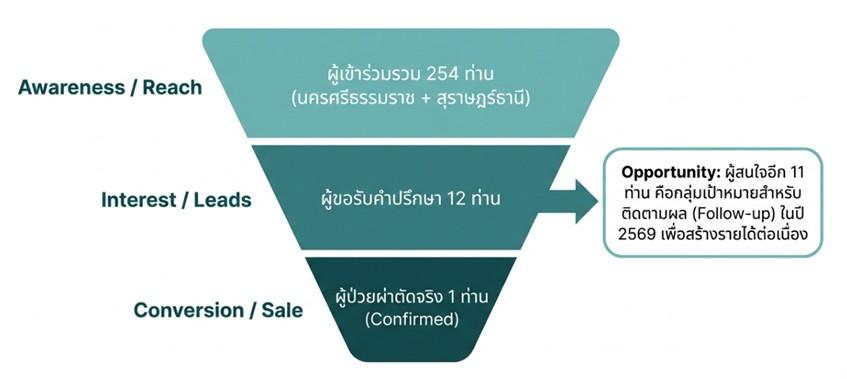
Social Impacts Generated Positive Impacts:
Patients receive accurate knowledge about kidney disease to support treatment decisions
Promote effective prevention and treatment
Reduce the incidence of complications
Improved quality of life after treatment
Reduce the long-term caregiving burden on families
Negative Impacts:
Financial burden of treatment costs
Anxiety in making treatment decisions
Limitations in hospital personnel and resources
Potential Future Impacts
Increasing demand for treatment may place pressure on the healthcare system
Resource management, including budget and personnel, requires appropriate planning
Social Outcome Measurement and Social Return on Investment (SROI) Assessment
Social Return on Investment – SROI) The SROI calculation considers revenue generated from kidney transplantation and related treatments, as well as the social impacts created by the project.
Total Value of Outcomes = Revenue from kidney transplant surgeries + Revenue from treatment of other diseases + Revenue from follow-up treatments
Total Cost of Investment = Total budget used for the project
Social Outcome Measurement
Quantitative Outcomes: Number of participants in project activities: 254 people
Revenue Outcomes (Economic Returns):
Number of patients receiving consultation for kidney transplantation: 12 patients
Number of patients who underwent kidney transplantation: 1 patient
Revenue generated from patients receiving treatment: Baht 1,728,130 (OPD: Baht 273,471 ,IPD: Baht 1,454,659)
Financial Outcome and Return on Investment (Gross SROI) Assessment
The Gross SROI is calculated using the following formula :Gross SROI = Social Benefits / Project Costs

Based on the total value of outcomes actually generated compared with the initial investment, the results are as follows:
Total Cost of Investment: Baht 175,100.45 (budget expenditures for organizing activities in the target areas)
Total Value of Outcomes: Baht 1,728,130 (calculated from the actual revenue generated from one patient who underwent kidney transplantation, consisting of OPD revenue of Baht 273,471 and IPD revenue of Baht 1,454,659)
The Gross SROI is calculated at 9.87 times, meaning that every Baht 1 invested in the “New Kidney, New Life” project can generate Baht 9.87 in returns to both the organization and society. This demonstrates that the project delivers a high level of value for investment. This return does not yet include intangible social value, such as improved quality of life for patients, long-term savings in medical expenses, and increased trust in the brand of Praram 9 Hospital. For the Happy Kidney project, although it generates economic returns for the hospital, its core objective is to decentralize specialized care to regional areas. The project enabled 254 patients to receive consultations from national-level specialists at no cost. Without this project, many of these patients might not have been able to access such services or would have needed to incur travel expenses to receive treatment in Bangkok.
Future Project Development Plan
The Company plans to continue implementing activities under the Creating Shared Value (CSV) concept, particularly in the area of kidney disease, to promote kidney health and expand public access to medical services. The planned approaches include:
Kidney Health Education: Organizing seminars and workshops under the project “Healthy Kidneys for All” to provide knowledge to the public and corporate employees on kidney health care and kidney disease prevention.
Community Support: Conducting community-based activities to promote health care and kidney disease prevention, such as mobile clinics providing basic health screening and kidney health consultations by specialist physicians.
Partnership Development: Expanding collaboration networks with both public and private sector partners to support knowledge sharing and best practices in kidney health care and treatment.
Patient Support Network: Establishing support groups for patients and their families to share experiences and provide mutual encouragement.
2. HAPPY MONK: Sangha Has Happiness
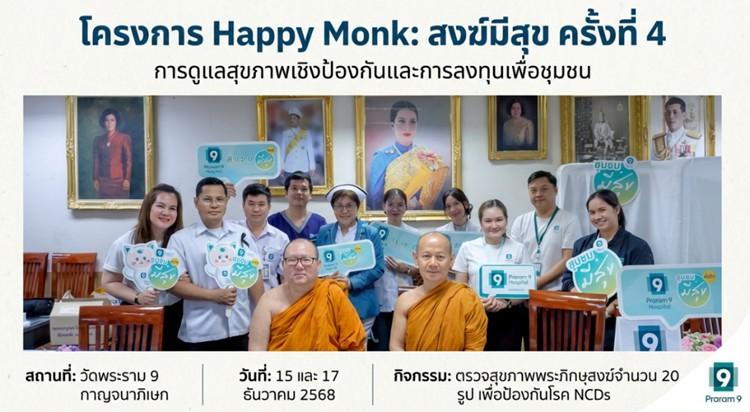
The “HAPPY MONK: Healthy Monks” Project is a Creating Shared Value (CSV) initiative of the Company aimed at promoting the health of monks in the community, particularly in the prevention and management of Non-Communicable Diseases (NCDs). These diseases are not caused by infections and cannot be transmitted from person to person, such as obesity, diabetes, hyperlipidemia, hypertension, heart disease, and chronic kidney disease. These conditions are often associated with lifestyle behaviors and inappropriate dietary habits. According to health survey data among monks, a significant number suffer from NCDs, with the most common conditions being diabetes, hypertension, hyperlipidemia, and ischemic heart disease. This situation is partly due to dietary limitations, as monks cannot choose their own meals and depend on alms offerings, which are often high in sugar, fat, or salt, including beverages with high sugar content. In addition, monks may have limited opportunities for physical exercise. For this reason, the Company organized activities under the “HAPPY MONK: Healthy Monks” Project to provide free health check-ups for monks in the community at Wat Phra Ram 9 Kanchanaphisek. The services were delivered by a team of specialist physicians, nurses, nutritionists, and related healthcare personnel, offering medical examinations at no cost, along with nutrition and health education to encourage monks to take appropriate care of their health and reduce the long-term risk of developing NCDs.
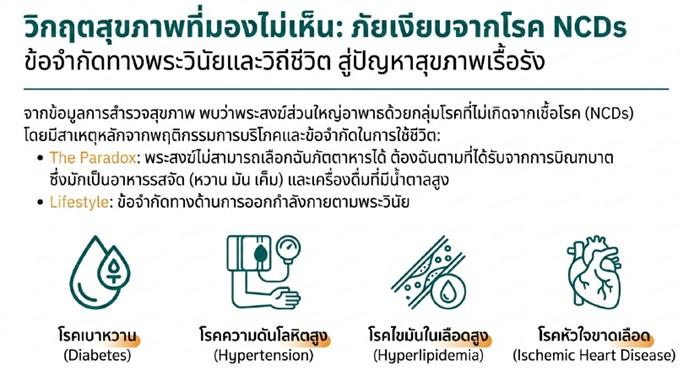
Project Objectives
To promote the health and well-being of monks by providing health check-ups for monks in the community at Wat Phra Ram 9 Kanchanaphisek.
To build positive relationships between the Company, the temple, monks, and the surrounding community.
To support monks’ health care through providing knowledge and guidance on nutrition and the prevention of Non-Communicable Diseases (NCDs).
To provide basic healthcare support by donating essential medicines for basic medical use to the temple.
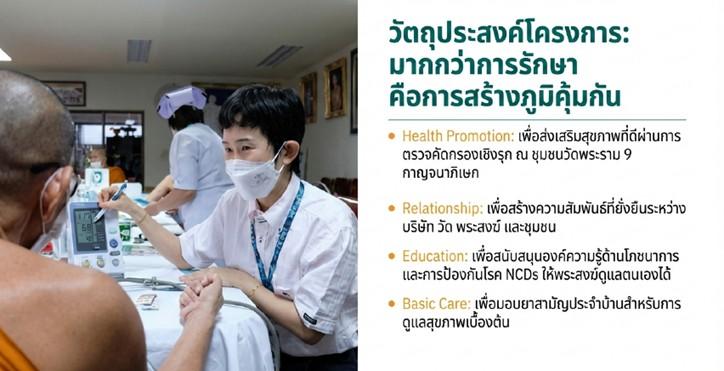
Operations
Health Check-ups for Monks
Provision of basic health screenings, such as blood pressure measurement, blood glucose testing, and blood lipid testing.
Nutrition and NCD Prevention Education
Providing nutrition guidance on appropriate dietary practices for monks, such as reducing sweet, fatty, and salty foods.
Recommending ways to adjust dietary behaviors related to food received through alms.
Offering Meals and Basic Medicines
Physicians, nurses, and staff jointly offer lunch (Pindapata meal) to monks.
Donating basic essential medicines for monks’ healthcare needs.
Community Relationship Activities
Inviting monks to chant Buddhist blessings at Praram 9 Hospital during the New Year ceremony.
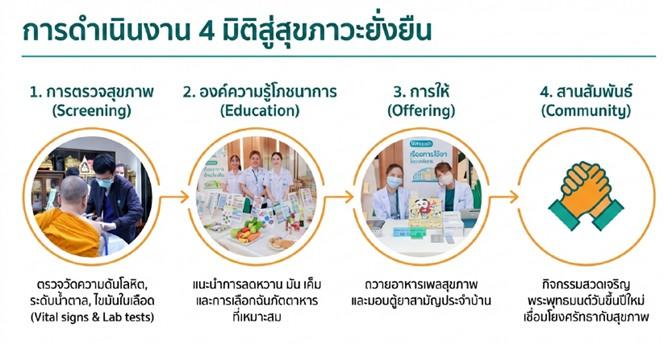
Budget
Actual budget utilized: Baht 24,973.60
Social Impact Assessment
Key Stakeholders: The stakeholder groups that benefit from the project include:
Beneficiary Target Groups
Monks – Receive health screening services and nutritional advice, which help increase awareness of health care and reduce the risk of Non-Communicable Diseases (NCDs).
Lay supporters and relatives of monks – Gain greater confidence in the Company’s medical services and help strengthen positive relationships between the Company and the community.
Surrounding communities – Develop trust and recognition of the Company’s role in contributing to the health and well-being of society and the local community.
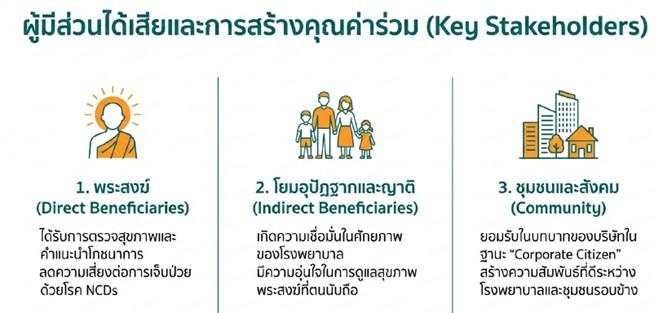
Positive Impacts
Health Dimension: Monks receive health check-ups and proper nutrition guidance that help prevent Non-Communicable Diseases (NCDs). As a result, monks have improved health and greater knowledge about self-care.
Social Dimension: Strengthens relationships between the community and Praram 9 Hospital, leading to increased acceptance and support from the community and society, as well as opportunities to expand the hospital’s service user base.
Economic Dimension: With a budget of only Baht 52,068.40, the project is able to generate broad positive impacts.
Negative Impacts:
Some monks may be unable to participate in the project due to time or travel constraints.
Continuity challenges: There may be a lack of ongoing follow-up and guidance after participation in the project.
Behavioral impact: Changing dietary habits may be difficult for monks.
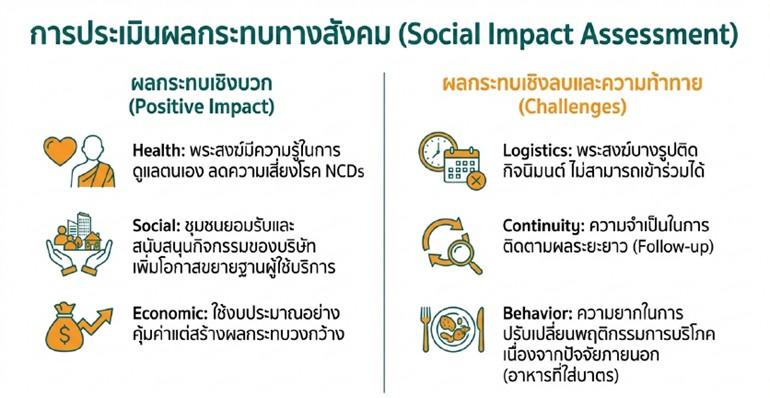
Social Return on Investment (SROI) Assessment
The SROI calculation is defined as:
SROI = Social Benefits / Project Costs
Social Outcome Measurement
Quantitative Outcomes:
20 monks participated in the activity. Health Outcomes:
20 monks received health check-ups and nutrition guidance.
Reduced long-term risk of Non-Communicable Diseases (NCDs) (further monitoring is required). Social Outcomes:
Strengthened relationships between the Company, the community, and Wat Phra Ram 9 Kanchanaphisek.
Increased confidence among lay supporters and relatives in Praram 9 Hospital.
Economic Outcomes:
Efficient utilization of the project budget. Social Outcomes (Monetized Value)
Health check-up value: The estimated cost of a general health check-up is Baht 1,248.68 per monk.
Social value of outcomes: The reduction in long-term risk of NCDs is estimated to reduce future medical expenses by approximately Baht 5,000 per monk.
Calculation: 20 monks x Baht 5,000 = Baht 100,000
Improved relationships: The value of improved relationships between the hospital, the community, and the temple is also considered as a social outcome. Total Investment Budget
Baht 24,973.60 (calculated from Baht 1,248.68 x 20).
Investment Budget: 24,973.60 Baht (1,248.68 * 20)
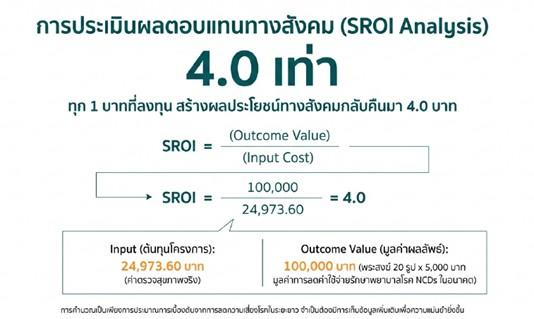
Social Return on Investment (SROI) SROI = (Total Social Value of Outcomes) / (Actual Budget Used) = Baht 100,000 (20 x Baht 5,000)/ Baht 24,973.60 = 4.0
Interpretation: For every Baht 1 invested in this project, approximately Baht 4.0 in social value is generated. (This SROI calculation is a preliminary estimate, as some social outcome values are based on assumptions. Further studies and data collection are required to obtain more precise measurements.)
Monitoring and Evaluation
Monk Health Network: Establish a collaboration network among temples, hospitals, and communities to promote monks’ health.
Monk Nutrition Program: Nutritionists provide guidance and education on healthy dietary practices for monks.
Support for Physical Activity: Provide recommendations on appropriate exercise activities for monks.
The HAPPY MONK: Healthy Monks Project is a meaningful initiative that delivers benefits to both monks and the community. Conducting social impact assessment and sustainability investment evaluation helps the Company better understand the outcomes generated and plan future initiatives more effectively.
Social Outcome Measurement
Quantitative Outcomes: Number of participants: 254 people.
Revenue Outcomes: (Economic Return)
Other Social Management
Plan & Outcomes — Description
Human Rights and Labor Laws
The company recognizes that respect for human rights is a fundamental cornerstone of sustainable business operations, committing to conduct business responsibly, transparently, and with respect for the human dignity of all stakeholder groups, both internal and external. The company has pledged to conduct business with respect for human rights and adhere to international standards.
The company prioritizes human resource management based on principles of equality, fairness, and ethics, strictly adhering to labor standards and relevant laws. It aims to create a work environment free from discrimination at every stage of employment and service, regardless of race, religion, gender, age, sexual orientation, disability, nationality, or social status. Furthermore, it promotes diversity, equality, and a harassment-free workplace.
As a medical organization, the company places special emphasis on protecting the rights of patients, patient relatives, medical personnel, and all stakeholder groups, considering medical ethics, non-discrimination in service provision, protection of personal and health information, and equitable access to services.
The company places the highest importance on occupational health, safety, and working environment, systematically implementing measures to prevent accidents and work-related illnesses, and striving for a Zero Lost Time Injury target.
All operations are conducted under the framework of international principles and relevant laws, including:
-
United Nations Global Compact
-
UN Guiding Principles on Business and Human Rights
-
International Labor Organization Declaration on Fundamental Principles and Rights at Work
-
Labor Laws and Related Laws of Thailand
The company extends its scope of oversight throughout the business value chain, covering partners, contractors, and business allies, to collectively prevent risks related to human rights, labor, and safety.
Directors, executives, and employees at all levels, as well as partners, contractors, and stakeholders involved in the company's operations, must strictly adhere to and comply with these principles. The company has established an open, accessible, and fair complaint mechanism to appropriately prevent, investigate, rectify, and remedy potential impacts. This includes continuous monitoring, risk assessment, and operational improvement. The company has set policies and guidelines to ensure that business activities do not violate human rights throughout the business value chain, under the principles of the Universal Declaration of Human Rights (UDHR), which employees at all levels must strictly follow as a guideline. The operational approach begins with:
-
Promoting respect for human rights principles and treating others with equality and non-discrimination, regardless of differences in race, skin color, gender, age, language, religion, mental status, disability or infirmity, social status, political beliefs, marital status, etc.
-
Providing protection by allowing employees or stakeholders affected by human rights violations to express opinions or file complaints regarding unfair treatment or improper actions within the company. This includes accessible and rapid online and offline complaint channels available 24 hours a day, such as the Contact Center phone line at 1270, a complaint/feedback box, and the submission of information to responsible departments. Measures are in place to appropriately and fairly protect individuals who report or provide feedback.
-
Remediation: When the company's operations cause human rights violations, development and corrective actions are implemented, and reported to the Executive Committee for consideration of appropriate assistance and remedies for those affected by human rights violations.
Goals
-
Number of complaints regarding human rights violations and discrimination = 0 cases
-
100% of permanent employees completed human rights and non-discrimination training within the reporting year.
Performance Results
-
The company found no confirmed complaints regarding human rights violations and discrimination (0 cases).
-
100% of permanent employees received human rights and non-discrimination training, fully meeting the set target.
Human Rights and Labor Practices
Creating Value and Gender Equality
The company provides equal access to rights, duties, and opportunities for all individuals, including women, men, and gender-diverse persons, in accordance with human rights principles, without direct or indirect discrimination. Gender equality is an integral part of human rights and a principle the company adheres to in its operations. The key is to create and expand equal opportunities for employees, regardless of their gender, sexual orientation, or gender identity. Furthermore, the company actively strengthens women's empowerment; in 2025, the proportion of female employees to all employees was 83.70%.

Care for Retirees
In 2025, the company had 10 retirees, and the company provided legal severance pay in accordance with the retirees' entitlements. Additionally, the company hired one retired executive-level employee as a consultant to assist in managing clinical nursing work, which is highly specialized. Three additional operational-level employees requiring expertise were also hired, based on their knowledge and work capabilities, resulting in a re-employment rate of 40.00% for retired employees.
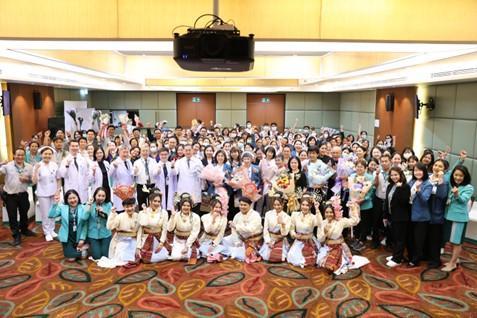
Job creation for persons with disabilities
In 2025, Phra Ram 9 Hospital supported employment for a total of 16 persons with disabilities through the Social Innovation Foundation by contracting services for persons with disabilities to have monthly employment in government organizations (10 persons, 62.50%), providing financial support for career creation for persons with disabilities (5 persons, 31.25%), and employing one permanent female staff member at Phra Ram 9 Hospital (6.25%).
Human Rights and Labor Practices
-
Reviewing human rights risk management approaches in the business value chain
-
Comprehensive human rights risk assessment
Law Violation Incidents
Law Violation Incidents
| Metric | Current Year | Previous Year | Two Years Ago |
|---|---|---|---|
| The total number of cases or incidents of significant violations of laws or regulations regarding social and human rights (Cases) | 0 | 0 | 0 |
| The total number of cases or incidents that cause significant labor disputes (Cases) | 0 | 0 | 0 |
| The total number of cases or complaints related to consumer rights violations (Cases) | 0 | 0 | 0 |
| The total number of cases or complaints related to partner rights violations (Cases) | 0 | 0 | 0 |
| The total number of cases or incidents that cause disputes with the community/society (Cases) | 0 | 0 | 0 |
| The total number of cases or incidents related to cyber security or customer data breaches (Cases) | 0 | 0 | 0 |
| The total number of cases or incidents related to safety and occupational health at work (Cases) | 0 | 0 | 0 |